

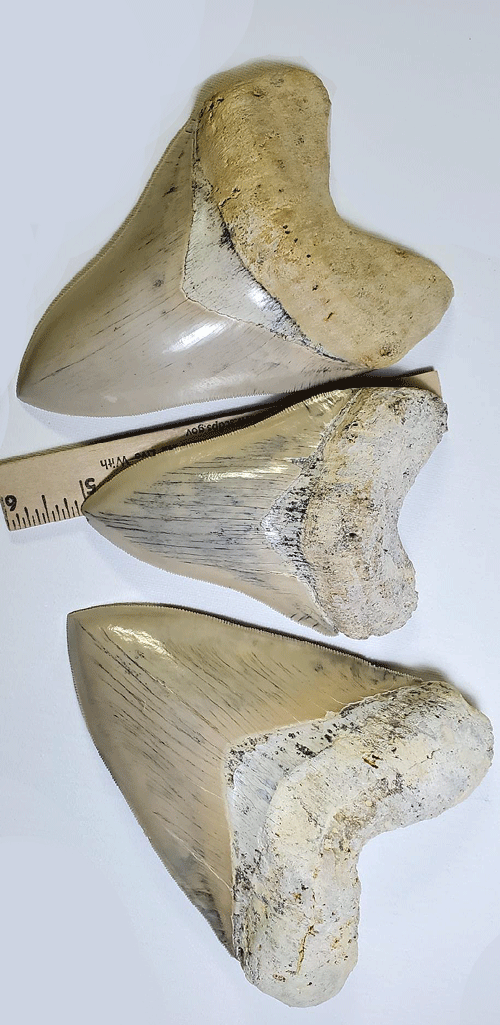
Something is captivating about holding a fossil in your hand, knowing it connects you to a creature that once ruled the oceans millions of years ago. The megalodon, often regarded as the largest shark to have ever existed, continues to inspire awe with its immense size and enduring legacy. Among the most prized relics left behind are its teeth, fossilized fragments that carry echoes of an era long gone. For many collectors, enthusiasts, and history lovers, the journey begins with finding an authentic megalodon tooth, a treasure that feels almost like a direct handshake with the prehistoric past.
Transitioning from fascination to exploration, let’s delve deeper into the story of these iconic fossils—where they originate, how to recognize their value, and why they continue to spark imagination across generations.
The Giant Behind the Tooth
The megalodon was no ordinary predator. Stretching up to sixty feet in length, this shark dwarfed nearly every other marine species in existence during its reign. Living approximately 23 to 3.6 million years ago, it preyed on whales, dolphins, and large fish, carving its dominance into the ocean’s food chain.
But unlike skeletal remains that often disintegrate over time, megalodon teeth endured because of their durable enamel and dentin composition. That’s why today, fossil hunters, divers, and paleontology enthusiasts can still discover these remnants in riverbeds, quarries, and coastal cliffs around the world. Each tooth isn’t just a fossil—it’s a symbol of survival, strength, and ancient history preserved through time.
Why These Fossils Fascinate Collectors
The allure of a megalodon tooth lies not only in its size but in what it represents. Imagine the journey of a tooth that fell into the ocean millions of years ago, slowly settling into sediment and eventually hardening into a fossilized form. When held today, it bridges an immense timeline between prehistory and the present.
Collectors value these fossils for multiple reasons. Some admire their sheer beauty—the serrated edges, the glossy enamel, the variety of colors caused by mineralization. Others see them as investments, appreciating their rarity and the demand in fossil markets. Then some treasure them for educational purposes, using them to teach children, students, and communities about the Earth’s evolutionary story.
How to Differentiate Between Real and Replica
With popularity comes imitation. Unfortunately, the fossil market has its share of replicas and artificially enhanced specimens. For anyone considering purchasing, gifting, or studying a tooth, recognizing authenticity becomes essential.
Key indicators include:
● Weight and density: Genuine fossils feel heavier than replicas, which are often made from resin or composite materials.
● Serrations: Many real megalodon teeth retain visible serrations along their edges. Replicas may have overly uniform, machine-made patterns.
● Color and texture: Authentic specimens often display earthy tones, such as browns, blacks, or grays, reflecting the minerals present in their burial environment.
● Imperfections: Natural wear, chips, and cracks are typical in real fossils. A tooth that looks flawless and glossy may warrant a closer inspection.
Understanding these markers helps ensure that when someone invests in a fossil, they’re embracing the real history rather than a manufactured imitation.
The Middle of the Story: Securing Authenticity
At the heart of fossil collecting lies trust—trust in the source and trust in the specimen itself. The thrill of securing an authentic megalodon tooth isn’t just about ownership; it’s about ensuring the integrity of history is respected and preserved. Collectors often rely on reputable sellers, scientific testing, or provenance documentation to validate authenticity. In some cases, specialized tools such as microscopes or UV lights are used to identify irregularities that are invisible to the naked eye.
This process of authentication adds another layer of excitement, almost like solving a mystery. Every verified fossil becomes not only a collectible but a storyteller—an artifact that holds the silent narrative of the oceans from millions of years ago.
Cultural and Symbolic Value of Fossil Teeth
Beyond paleontology, megalodon teeth have taken on symbolic roles in various cultures and communities. Some wear them as pendants, believing they carry protective qualities or represent strength. Others keep them as family heirlooms, passing along not only a fossil but the stories tied to its discovery.
The symbolism is often rooted in human fascination with what is ancient, rare, and enduring. A fossil tooth becomes more than an object—it transforms into a conversation piece, a teaching aid, or even a quiet reminder of nature’s vast and mysterious timeline.
Fossil Hunting Adventures
Part of the wonder lies in the hunt itself. Around rivers in the southeastern United States, cliffs in Peru, and coastal regions in Africa, fossil hunters continue to search for these remarkable teeth. Some are amateurs drawn to the thrill of discovery, while others dedicate years to carefully studying geological layers and fossil deposits.
While patience and persistence are required, the moment of finding a tooth buried in silt or embedded in stone is described as unforgettable. It feels like unearthing a piece of a long-lost puzzle—one that reconnects us with a world where gigantic sharks dominated the seas.
Why the Megalodon Still Captures Our Imagination
Although the megalodon disappeared millions of years ago, its story continues to fuel creativity across films, books, and scientific discussions. Its massive size and apex predator status make it a symbol of untamed oceanic strength. In many ways, the teeth serve as tangible reminders that such creatures once thrived, making the concept of prehistory more accessible and real.
Scientists use these fossils to explore shark evolution, study oceanic changes, and understand the dynamics of predator-prey relationships. At the same time, casual collectors simply enjoy the wonder of holding something that feels timeless. Both perspectives highlight the enduring grip megalodon teeth have on our imagination.
Caring for Fossilized Teeth
Once acquired, preserving a fossil tooth ensures it remains intact for years to come. Collectors often keep them in display cases, protect them from moisture, and handle them with care. Cleaning should be minimal, avoiding harsh chemicals that could compromise the fossil’s natural surface. For many, caring for a tooth becomes part of the ritual—treating it as both a scientific specimen and a cherished artifact.
Conclusion: A Timeless Connection
The journey of a megalodon tooth, from prehistoric ocean floors to the hands of modern admirers, is nothing short of extraordinary. To hold an authentic megalodon tooth is to have a fragment of deep time, an object that silently narrates the story of evolution, extinction, and survival. It connects us with a creature that once defined the ocean’s hierarchy and still captures our imagination today.
If you’ve ever dreamed of exploring the ancient seas or owning a piece of natural history, the world of fossil collecting awaits. Whether you’re drawn by science, curiosity, or aesthetics, each tooth carries its own unique story waiting to be discovered.
Ready to start your own journey into the past? Explore trusted sources, learn the signs of authenticity, and bring home a relic that carries millions of years of history. Let your curiosity guide you, and allow a fossil to become not only part of your collection but part of your personal connection to the incredible story of our planet.






