

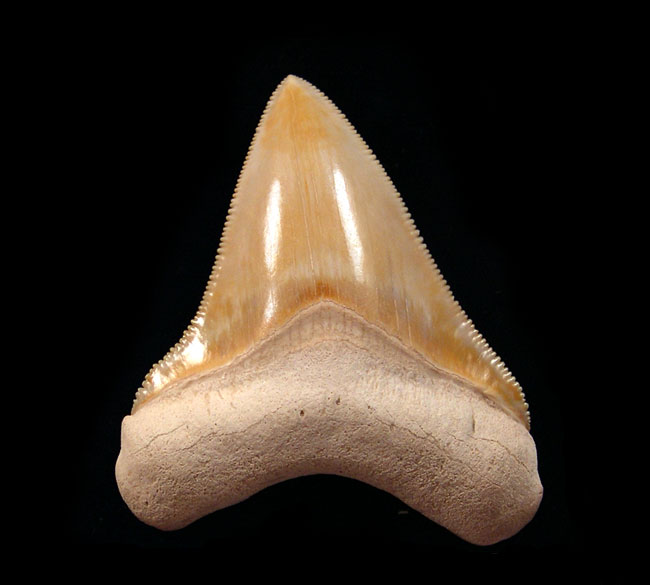
Shark tooth collecting has always carried a thrill, but few treasures ignite as much excitement as those discovered in Florida’s Bone Valley region. These teeth are highly sought after because of their rarity, coloration, and unique geological history. Collectors often ask how to identify authentic Bone Valley shark teeth with confidence. That’s what this guide sets out to answer. At our fossil collections, we know the hunt can be thrilling, and when you encounter Bone Valley shark teeth for sale in your search, understanding authenticity is essential to making the right decision.
Let’s explore what sets these fossils apart and how you can spot the real thing.
The Origins of Bone Valley Shark Teeth
Bone Valley is located in central Florida, an area shaped by phosphate-rich deposits. Millions of years ago, sharks—including the legendary Megalodon—thrived in this region, leaving behind fossilized teeth that became infused with the minerals of the surrounding sediments. Over time, these minerals contributed to the teeth's distinctive coloration and exceptional preservation.
Unlike many other fossil beds, Bone Valley’s phosphate mines have yielded teeth that retain remarkable sharpness and vibrant hues. Collectors value these fossils not just for their condition but also for the clear link they provide to an ancient marine ecosystem. Megalodon teeth from Bone Valley are particularly prized because they combine massive size with rare two-tone coloration, making them standout pieces in any serious collection.
Distinctive Coloration: The Bone Valley Signature
One of the hallmarks of Bone Valley shark teeth is their coloration. These fossils often display creamy whites, bright tans, and bluish grays, sometimes blended into striking two-tone combinations. The phosphate minerals act almost like natural pigments, creating a palette rarely seen in teeth from other locations.
Collectors should train their eyes to notice these tones. For example, the crown may carry a creamy ivory color while the root displays a contrasting gray or tan. This color contrast, paired with a glossy sheen, is a reliable marker of authenticity. If you encounter a specimen with unusually uniform coloring, it may not be from Bone Valley or could have been artificially altered. Megalodon teeth from this region often showcase some of the most dramatic color contrasts, which is why they’re considered centerpiece fossils by many collectors.
Shape and Preservation: Signs of Authentic Fossils
Beyond color, authentic Bone Valley teeth often show exceptional preservation. The edges tend to remain sharp, even serrated in the case of Megalodon and other species. Roots are usually solid and well-defined, not overly worn or eroded.
Collectors should examine serrations and enamel texture closely. Genuine fossils preserve fine details, while replicas or artificially modified teeth may lack crispness. High preservation is a common feature in Bone Valley because phosphate deposits protect the fossils from heavy erosion.
That’s why, when browsing Bone Valley shark teeth for sale in collections, teeth with intact serrations and sharp crowns often point to authentic origins. Larger Megalodon specimens from this region can be exceptionally well-preserved, with serrations that look as if they were formed yesterday.
Differentiating Bone Valley Teeth from Other Regions
Shark teeth are found worldwide, but Bone Valley specimens stand out in both appearance and condition. For example, South Carolina Megalodon teeth are known for darker black or brown hues, while North Carolina specimens often display copper-red tones. In contrast, Bone Valley fossils carry lighter, phosphate-infused colors and more frequent two-tone contrasts.
Another key difference is the density of phosphate minerals. Teeth from Bone Valley often feel slightly heavier compared to similar-sized specimens from other regions. This subtle weight difference can be noticed with practice and adds another layer of identification for collectors. For Megalodon collectors especially, these details can mean the difference between an ordinary specimen and a highly desirable Bone Valley fossil.
Spotting Replicas and Altered Fossils
Replicas and artificially treated teeth occasionally enter the fossil market. Some replicas are made from resin molds and painted to replicate the colors of Bone Valley. To avoid confusion, collectors should check for air bubbles, unnatural gloss, or repeating patterns—typical signs of molds.
Artificially polished or dyed teeth may also appear on the market. Authentic Bone Valley fossils already possess a natural sheen, so if a tooth looks overly glossy or carries colors outside the standard range of ivory, tan, and gray, it’s worth a closer inspection.
Running your finger along the edges can also help; authentic teeth feel naturally serrated, while replicas often have dull or uniform edges. This is especially important when evaluating larger Megalodon teeth, since their high value makes them a frequent target for replication.
Why Collectors Value Bone Valley Shark Teeth
The demand for Bone Valley shark teeth stems from their rarity and distinct beauty. Phosphate mining activity, which once unearthed these fossils, has declined, resulting in fewer new specimens reaching the market today. Collectors prize them not only as fossils but also as geological artifacts tied to a specific time and place in Florida’s prehistoric past.
Every tooth carries a story—evidence of a shark that once ruled the seas millions of years ago. Owning a piece of that history adds weight to any collection. Megalodon teeth from Bone Valley, in particular, are viewed as centerpiece fossils because they combine legendary size with coloration patterns that are almost exclusive to the region. Their scarcity, beauty, and condition explain why Bone Valley shark teeth for sale often move quickly among knowledgeable collectors.
Tips for Building Confidence as a Collector
As with any collectible, building knowledge is key. Here are some practical approaches that help sharpen your eye for authenticity:
● Study comparative specimens: By examining teeth from multiple regions, you begin to notice the distinct Bone Valley coloration and preservation.
● Handle authentic examples: If possible, attend fossil shows or visit trusted dealers where you can see and feel genuine Bone Valley specimens.
● Rely on provenance: Reputable sellers will often provide information about the origin of the fossil. Provenance not only adds confidence but also enhances the value of a specimen.
The more familiar you become with Bone Valley fossils, the easier it is to identify authentic teeth with certainty. For collectors chasing the ultimate prize, Megalodon specimens from this region are the ones to study most closely.
Interactive Collecting: Ask Questions and Compare
When browsing collections, don’t hesitate to ask sellers about the specific features of their fossils. Collectors often enjoy sharing knowledge, and comparing multiple specimens side by side can help you refine your recognition skills. If you notice that one tooth has crisp serrations and a two-tone contrast, while another appears flat in color and blurred in detail, the difference becomes clear.
Engaging with the collecting community not only strengthens your expertise but also opens opportunities to trade, purchase, or showcase prized pieces. The interactive aspect of collecting makes the journey as rewarding as the acquisition. Megalodon teeth from Bone Valley often become the centerpiece of these conversations, as they represent some of the finest fossils available.
Conclusion: Recognizing Authenticity with Confidence
Bone Valley shark teeth are among the most captivating fossils for collectors, recognized for their vibrant coloration, exceptional preservation, and rich geological history. By spotting features like phosphate-infused tones and crisp serrations, you can identify genuine specimens with confidence. The thrill of collecting comes from securing fossils that carry both authenticity and beauty. When you encounter Bone Valley shark teeth for sale, you can approach the decision with excitement. Buried Treasure Fossils makes the pursuit of authentic fossils rewarding, and adding a genuine Bone Valley Megalodon specimen ensures you hold a remarkable piece of prehistoric history.
Reach out to us today to explore authentic Bone Valley shark teeth and add a rare fossil treasure to your collection.






