

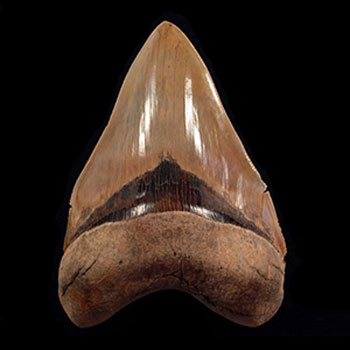
Long before modern seas were filled with whales, dolphins, and great white sharks, a much larger predator ruled the oceans. This massive shark left behind one of the most fascinating relics of prehistory—its teeth. These fossils are more than remnants of a predator; they’re glimpses into a time when the ocean was home to creatures far beyond what we see today. For collectors, divers, and history enthusiasts, finding megalodon teeth in Florida has become both a passion and a bridge to connect with a lost era.
Transitioning from the general curiosity about prehistoric creatures, let’s step into the deeper world of fossil hunting and the stories these treasures hold.
Why These Teeth Hold Such Value
Megalodon teeth are among the most collected fossils on earth because they are striking in both size and form. Ranging from a few inches to nearly seven inches, they display serrated edges and robust enamel that still gleam despite spending millions of years beneath sediment. For collectors, their worth goes beyond appearance—their value lies in the connection to the world’s most dominant shark.
The demand for these teeth often grows from curiosity into a lifelong pursuit. Each fossil has unique markings, colors, and mineral patterns that were formed by the soil and water conditions in which it was buried. This makes every tooth distinct, like a fingerprint of ancient seas.
Florida’s Role in Fossil Hunting
Florida is known for its warm waters and sandy beaches, but below the surface lies something even more extraordinary. The state is one of the wealthiest locations in the United States for fossil hunting. Rivers, quarries, and coastal regions often hide layers of sediment where ancient shark teeth have rested for millions of years.
Collectors travel from around the globe to explore these areas. With careful searching, they often uncover fossilized remains not only of megalodon but also of smaller prehistoric sharks, marine mammals, and other sea life. The appeal lies in the combination of adventure and discovery, where each hunt feels like walking into a story written long before humans existed.
The Science Behind the Fossils
Shark teeth fossilize more frequently than bones because they are made of dentin and enamel, substances that preserve well over time. Unlike bones that decay or scatter, teeth can survive the pressures of deep sediment and mineral replacement.
Megalodons had thousands of teeth during their lifetimes. They shed teeth frequently, ensuring a steady supply of fossils for modern-day hunters. The darkened hues—black, brown, gray, or even blue—result from minerals absorbed during fossilization, lending each tooth its earthy yet captivating appearance.
Collecting as a Passion
For many, collecting megalodon teeth is not simply about having a fossil; it’s about the experience. Some individuals carefully track the size, condition, and symmetry of their finds, aiming to create collections that reflect both rarity and beauty. Others value the journey—spending hours in rivers, diving, or attending fossil shows to uncover pieces that tell silent stories of ancient oceans.
The thrill often lies in holding something that once belonged to a creature over fifty feet long. It is both humbling and exhilarating to realize that such predators once shaped marine life, leaving behind these lasting relics.
Diving into the Hunt
Hunting for megalodon teeth often involves rivers like the Peace River in Florida, where sediment layers reveal a treasure trove of fossils. Divers or waders carefully sift through riverbeds, guided by experience, patience, and sometimes sheer luck. The search is not always fruitful, but the chance of uncovering a tooth from an apex predator keeps adventurers motivated.
Some choose guided tours, where experts provide equipment and guidance to improve the odds of finding fossils. Others prefer independent hunts, valuing the quiet connection with nature and the element of surprise that comes with every find.
Spotting Authenticity
With the increasing popularity of shark tooth fossils, ensuring authenticity becomes crucial. Genuine megalodon teeth have a weight and texture that replicas cannot match. Collectors often look for natural wear, mineral coloration, and serration details that indicate millions of years of preservation.
Experienced hunters can usually identify authenticity with a glance, but for new collectors, guidance from trusted fossil experts can be helpful. Ensuring authenticity not only adds value to a collection but also preserves the connection to genuine prehistory.
Stories Hidden in Every Tooth
Each fossilized tooth carries a narrative that goes beyond its form. Some teeth exhibit signs of wear from crushing prey, while others display breaks or chips that indicate encounters with hard surfaces. Larger teeth may indicate the immense size of the shark, while smaller specimens could represent younger individuals.
Collectors often share these stories with family and friends, turning fossils into conversation pieces that connect science, history, and imagination. They remind us of the diversity of life that has come and gone, while sparking curiosity about what still remains beneath the waves.
The Middle of the Hunt’s Journey
Exploring fossil-rich waters in search of megalodon teeth in Florida offers more than the possibility of discovery—it provides a way to immerse oneself in history. Whether you’re standing in a shallow riverbed or diving into deeper currents, the pursuit becomes an adventure shaped by patience, respect for nature, and the joy of finding something truly extraordinary.
A Global Fascination
Though Florida is a hotspot, megalodon fossils are discovered worldwide—from South Carolina’s coasts to South America and beyond. Each region produces fossils with distinct mineral compositions, resulting in a range of varied colors and textures. This adds another layer of fascination, as collectors compare the differences shaped by geography.
The global allure reflects humanity’s shared curiosity about the past. Across cultures, holding a megalodon tooth becomes a unifying experience that transcends location, offering the same sense of wonder whether discovered in Florida, Europe, or Africa.
Caring for Fossilized Teeth
Once collected, fossilized shark teeth require proper care to preserve their beauty. Most collectors clean them gently with brushes and water, avoiding chemicals that might damage the fossil. Some display them in cases or stands, while others prefer to keep them in shadow boxes where they are safe from handling.
Well-cared-for fossils not only retain their value but also continue to inspire future generations. Passing them down creates a sense of heritage, connecting future explorers with the ancient seas of the past.
Bringing History into Your Hands
Owning a megalodon tooth isn’t only about possession; it’s about appreciation. When you hold one, you’re connecting with a predator that once swam the oceans millions of years ago. These fossils bridge the vast gap between past and present, providing tangible proof of the Earth’s ever-changing life.
Conclusion: An Invitation to Explore
From beaches and riverbeds to carefully curated collections, megalodon teeth carry an aura of wonder. They are more than fossils—they are pieces of history shaped by time, nature, and mystery. For anyone drawn to the ocean, paleontology, or simple discovery, they offer endless fascination.
Collecting megalodon teeth in Florida connects you to a legacy of exploration and awe. It’s a pursuit that combines curiosity, patience, and the thrill of finding something truly ancient.
If you’re ready to embark on your own fossil journey, explore the available options and let these ancient relics inspire your imagination. Start your search today and bring a piece of history into your home.






