Few objects capture the imagination quite like a fossilized tooth from a long-extinct sea predator. There’s something remarkably stirring about holding a relic that has traveled through layers of sediment, pressure, and time—surviving millennia to arrive in the palm of your hand. It invites questions about the past, about what swam in the oceans before us, and about how we connect to the vast history of our planet.
Somewhere between admiration and curiosity, the desire to own a real megalodon tooth becomes more than a passing thought. It’s a hunt, a hope, a small way to claim connection to the prehistoric world. However, as demand grows, so does the presence of imitation fossils, making it more crucial than ever to learn how to distinguish the real from the fake.
Let’s explore how to confidently identify the authenticity of these ancient marine treasures—and why it matters.
A Shape That Tells a Story
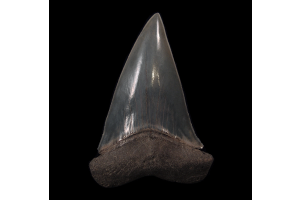
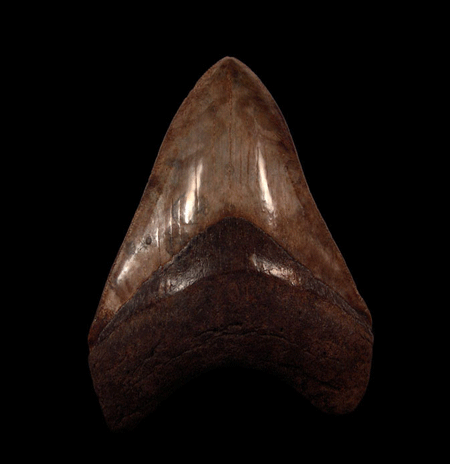
The first thing you’ll likely notice is the dramatic, triangular form. A genuine megalodon tooth features a broad root base tapering up to a sharp point, resembling a massive shark’s blade. These teeth, when fossilized, maintain a refined symmetry. They may be large and aged, but their outline still mirrors the efficiency of a predator's perfect hunting tool.
Fake teeth, however, often exaggerate this shape. They can appear overly sharp, with unnatural symmetry or dimensions that feel off. If the tooth looks more like a modern great white’s, yet claims to be megalodon, approach it with caution. Authenticity lies in the details, and actual fossil specimens possess a subtle, weathered elegance rather than a theatrical flair.
The Mineral Palette of Time
One of the most fascinating aspects of fossil teeth is how they absorb minerals from the surrounding earth. Over time, the original organic material is replaced by stone, creating unique colorations. A real tooth can showcase browns, blacks, grays, and even blues or rust-reds—each hue telling you something about the sediment it was buried in.
A fake, on the other hand, is often colored artificially. Glossy black or solid-tone enamel is a red flag. It may look dramatic, but it lacks the variation and depth seen in an authentic specimen. In fact, the best way to appreciate a fossil’s color is to look for inconsistency—streaks, transitions, and a hint of earthiness. Those are the fingerprints of time.
Texture You Can Almost Hear
Run your fingers along the surface of the tooth, especially the edges. Authentic megalodon teeth once served a function—they tore through bone, flesh, and armor-thick hide. As a result, many still carry visible serrations on the blade. These ridges feel like a dull, ancient saw and are often worn but still recognizable under close inspection.
Fakes tend to be too smooth or, oddly enough, too sharp. Mass-produced replicas often exaggerate the tooth’s sharpness to appear more “impressive.” But remember: millions of years of fossilization dulls nature’s sharpest weapons. An authentic tooth may feel gritty or porous in some areas, with minor chips or grooves that reveal its history.
Inspect the Root for Clues
While many buyers focus on the enamel blade, the root often reveals the most about a tooth’s authenticity. A real fossilized root looks rugged and weathered. It may be pitted, cracked, or unevenly shaped due to centuries of pressure and decay before fossilization occurred.
Compare this to a replica, which frequently has a cleaner, more symmetrical appearance. Molded from mass-market materials, these fake roots lack the raw, porous finish found in actual specimens. If the root looks too tidy or perfectly balanced, it’s worth a second look.
Check for grooves along the root that suggest how the tooth once attached to the jaw. On real teeth, these appear as natural, irregular lines or indentations.
Heft and Temperature: Silent Indicators
When it comes to identifying fossils, even the weight in your hand can tell you something. A real megalodon tooth is heavier than it looks. That’s due to the mineral replacement process during fossilization, which results in a dense, stone-like feel. When held, it often feels slightly cold—another subtle sign of authenticity.
Fakes made from resin or composite materials are noticeably lighter. They may also warm quickly in your hand, lacking the earthy chill of an actual fossil. If a tooth feels more like a plastic prop than a preserved relic, trust that instinct.
There’s a quiet gravity to the real thing—both in weight and presence.
Spotting Tool Marks and Casting Seams
Some replicas are better than others, but most have telltale flaws. Look carefully for signs of modern crafting—especially tool marks, seams from molds, or air bubbles. These are indicators of synthetic origin.
Even high-quality replicas can’t fully mimic the irregularities of natural fossilization. Pay attention to the back of the tooth, the edge where root meets enamel, and any place where patterns repeat. A symmetrical design might appeal visually, but it contradicts the beautiful randomness of nature.
The Importance of Provenance
Perhaps the most overlooked part of fossil collecting is documentation. A real megalodon tooth often comes with information about where and when it was found. Was it recovered from a riverbed in South Carolina? Dredged from the coastal waters off Florida? Dug up in the desert sands of Peru?
When that story is missing—or seems vague—it raises questions. A reputable seller will openly share this context. Fossils aren't simply items to display; they’re scientific artifacts. And without their backstory, their value—both historic and monetary—can be compromised.
The Appeal of Authenticity
Why does it matter so much? Because real fossils represent the interplay between survival and extinction, chaos and balance, and the raw story of our Earth. When you own a real megalodon tooth, you're not simply buying an object—you’re preserving a chapter of ancient marine life.
Collectors, educators, and enthusiasts all understand this draw. But even casual admirers benefit from knowing their piece is genuine. It transforms a cool item into a source of reflection and fascination.
Authenticity isn’t about bragging rights—it’s about reverence. And the more you know, the more that reverence grows.
The Keyword Matters Here
Somewhere in the middle of your search for the ideal fossil lies the phrase that brought you here: real megalodon tooth. These words hold more than SEO value—they point to a deeper pursuit. You’re not after a shiny object. You’re chasing history.
Whether you’re a beginner learning how to spot fakes or a seasoned fossil lover adding to your collection, the journey toward authenticity is as meaningful as the tooth itself.
Final Thoughts: The Value Behind the Veneer
In a world full of replicas and mass-produced memorabilia, authenticity has become a rare and treasured experience. When you hold a real megalodon tooth in your hand—weathered, heavy, cold—you’re holding silence, survival, and deep ocean echoes.
That kind of authenticity doesn’t need exaggeration. It speaks for itself. You don’t have to be a paleontologist to recognize its value—you only need curiosity and a little guidance.
Let the fossil lead the conversation. Let its edges, color, and flaws speak louder than labels. And when you finally find the right one, you’ll know—not because someone told you, but because everything about it will feel quietly, unmistakably authentic.
Ready to explore authentic marine fossils for your collection? Browse a curated selection of certified, natural specimens and bring a piece of Earth’s ancient story into your space. Find your real connection today with Buried Treasure Fossils.