Long before humans mapped the oceans, a massive shark glided through Earth’s waters with little competition. The megalodon, one of the largest marine predators in prehistoric times, left behind few clues of its existence—but its teeth tell an unforgettable story. Their size alone invites fascination, often raising one irresistible question: how big is a megalodon tooth?
Between ocean layers and fossil beds, these remnants serve as the most substantial evidence of the creature's dominance. But beyond their measurements lies a tale of biology, geology, and survival, inviting collectors and scientists to keep searching for answers.
Let’s follow the path of these fossilized giants and uncover what makes each tooth a window into deep time.
The Anatomy of a Megalodon Tooth
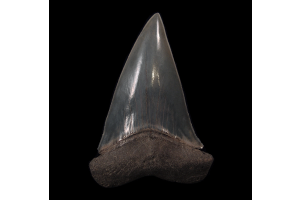
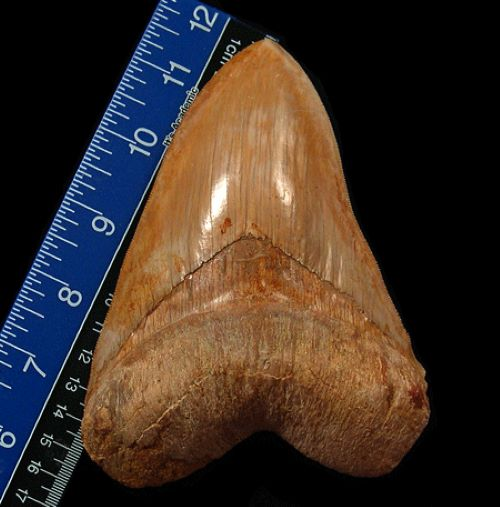
A megalodon tooth isn’t simply an oversized version of what we see in modern sharks. These teeth are thick, triangular, and have finely serrated edges. Their design suggests not only strength but efficiency—built to slice through thick bones and dense muscle. The enamel is usually glossy, though fossilization can alter the color dramatically, depending on the mineral content of the surrounding sediment.
Most commonly, these teeth range in hue from black and gray to earthy browns. This coloration helps determine where a tooth was found, which is helpful for both fossil hunters and researchers attempting to map the megalodon’s reach.
Tooth Structure and Hunting Style
The megalodon’s hunting methods were as impressive as its size. Instead of nibbling or chasing small prey, this shark relied on massive bursts of force. Its teeth, arranged in rows that could be replaced throughout its life, would latch onto large whales, sea turtles, and fish. One bite could deliver enough pressure to crush a skull.
Each tooth was shaped to deliver a quick kill—long roots helped anchor them in place, while the serrations allowed deep cuts. The wear and tear visible on many fossil specimens confirms that megalodons used their teeth aggressively and frequently.
Common Sizes and Exceptional Finds
Most megalodon teeth fall between 3.5 and 5.5 inches in length. But those rare finds—teeth that measure six inches or more—are the ones that make headlines. A six-inch tooth is considered an exceptional specimen. For comparison, the most prominent great white shark teeth max out at about 2.5 inches. So when you ask, How big is a megalodon tooth, the scale truly puts its size into perspective.
While these massive teeth are awe-inspiring, they’re not common. Fewer than one percent of found megalodon teeth exceed six inches in length. That’s what makes these rare examples so highly sought after among collectors and museums.
From Fossil Beds to Collections
Most megalodon teeth today are discovered in areas that were once underwater millions of years ago. Some of the best-known fossil-hunting grounds include the coastal regions of the southeastern United States, such as South Carolina and Florida, as well as parts of Morocco and Peru. Rivers, beaches, and dredged ocean floors sometimes reveal fossil beds that have been hidden for thousands of years.
Collectors search tirelessly for intact teeth—those without cracks, chips, or eroded edges. When a large and pristine tooth is found, it can command thousands of dollars in value, depending on color, sharpness, and completeness.
Age and Preservation
The megalodon lived roughly between 23 and 3.6 million years ago, during the Miocene and Pliocene epochs. Unlike bones, which are more delicate and less likely to survive the passage of time, shark teeth fossilize easily due to their hard enamel and dentin. These materials resist decomposition, making them some of the most reliable fossils from the period.
Interestingly, the condition of the tooth can give clues to its journey through time. Those that are cracked or discolored likely experienced shifts in sediment or chemical changes. Still, even worn teeth are valuable for the story they help tell.
The Rarity of Six-Inch Teeth
Among fossil hunters, finding a six-inch megalodon tooth is like discovering a buried treasure. These oversized teeth are scarce, and their discovery often becomes a celebrated event in the fossil community. Only a handful are found each year, and most are incomplete or chipped. A fully intact six-inch tooth, with solid root structure and sharp serrations, is the ultimate prize.
What makes these so special? Size aside, they usually represent the apex of the species—likely belonging to some of the largest megalodons that ever lived. A six-inch tooth suggests a shark over 50 feet long, which rivals or surpasses many depictions in media and art.
Estimating Megalodon’s Full Size
Tooth size is more than a fun measurement—it’s a scientific tool. Paleontologists use formulas based on tooth height and width to estimate the full size of a megalodon. For every inch of tooth length, a corresponding length of body can be calculated, often with surprising accuracy.
For example, a five-inch tooth may point to a shark measuring over 40 feet. A six-inch tooth could represent a 55-foot predator. This method isn’t perfect—some teeth come from the front of the jaw, others from the sides—but it gives scientists a starting point for imagining what these sharks looked like when alive.
Educational Value and Museum Displays
Beyond personal collections, megalodon teeth are frequently used in educational settings. Museums around the world display them to help children and adults visualize prehistoric marine life. Schools and universities often use casts of real teeth to teach about evolution, extinction, and ocean ecosystems.
In some exhibits, life-size models of the megalodon jaw—constructed around real fossil teeth—allow visitors to step inside the mouth of a predator that is long gone but never forgotten. These displays remind us that Earth’s history is vast, and our knowledge of it is constantly expanding.
The Global Collector Community
Megalodon teeth have created a thriving global community of enthusiasts. From casual beachcombers to professional paleontologists, the hunt for these teeth connects people across continents. Online forums, fossil shows, and regional dig events foster excitement and learning among people of all ages.
Collectors often document their finds with photos, GPS locations, and size measurements. These details help build a larger database of knowledge about where megalodons lived and how their populations may have changed over time.
Lasting Legacy in Fossilized Form
Today, the legacy of the megalodon lives on in every discovered tooth. These fossils remind us of a time when oceans were ruled by predators more massive than anything we see today. And while we may never unearth a complete skeleton, each tooth provides a clear link to an age of giants.
So, how big is a megalodon tooth? Big enough to stir curiosity. Big enough to challenge our understanding of marine life. And big enough to connect people across time and geography in search of ancient truth.
Ready to Hold a Piece of History?
Whether you’re a curious beginner or a seasoned collector, exploring the world of megalodon teeth offers something gratifying. These fossils are more than objects—they’re stories carved by time, waiting to be discovered, held, and passed down.
Discover the latest additions and find the fossil that resonates with you. Dive into the deep past with confidence—and maybe, just maybe, you’ll be the next to uncover a six-inch legend.
Brought to you by Buried Treasure Fossils.