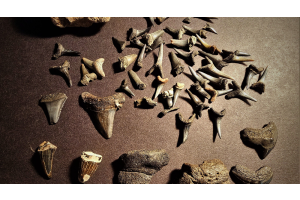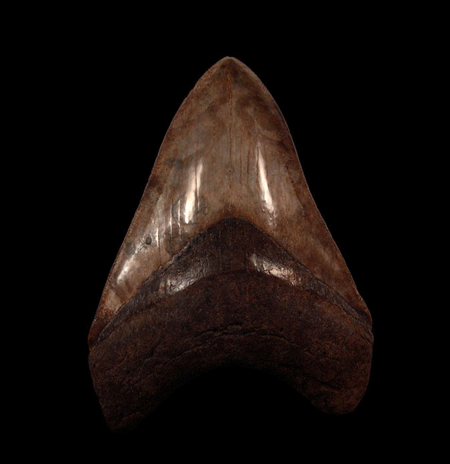
A genuine Megalodon tooth carries silent evidence of deep time. You can spot the truth if you know what signs to read. Many collectors, especially first-time buyers, want to learn how to tell if a megalodon tooth is real. While the market includes both authentic fossils and well-made fakes, you do not need lab tools or years of experience to make an informed judgment. This guide will show you what seasoned dealers always check before trusting a specimen. From color to serrations, each detail tells part of the story.
Begin with Natural Weight and Temperature
Real fossilized teeth feel heavier than replicas. Fossilization replaces the organic material with minerals, resulting in a dense tooth structure. When you hold one, it should feel solid and cool to the touch. Fakes made from resin or plaster warm quickly in your hand and feel noticeably light for their size. Dealers often pick up the tooth first to feel its density before examining anything else. This physical clue helps them decide whether the piece deserves a closer inspection or immediate doubt.
Study the Root for Surface Clues
The root of an authentic Megalodon tooth shows age through its texture. You should see natural pitting, uneven grooves, and a porous surface. These signs result from mineral replacement and environmental pressure. In contrast, replicas often show unnaturally smooth roots or paint meant to mimic aging. That finish may look convincing at first glance, but it lacks the random, rough quality of actual fossilization. Experienced buyers use the root as an early authenticity checkpoint because forgers often overlook this detail.
Check the Transition from Enamel to Root
In real teeth, the line where the enamel meets the root never appears sharp or perfectly even. The enamel gradually fades into the root, and the boundary often exhibits irregular edges, worn spots, or mineral staining. Polished or restored pieces may hide these features, but over-restoration gives itself away with unnaturally clean lines. A fake may try to show off a flawless surface, but an experienced collector can see through it. The value of a real fossil lies in what nature left behind, not in how perfect it looks.
Examine the Serrations Along the Blade
Megalodon teeth were tools of survival. Their serrated edges helped the shark tear through thick prey. Over time, those edges wear down, chip, or erode unevenly. A real tooth often shows worn but still visible serrations, though rarely in perfect form. Replicas tend to display sharp, evenly spaced notches because the mold follows a standard shape. A genuine fossil never repeats patterns with machine-like precision. Dealers examine serrations closely to confirm whether the wear matches fossil age or modern casting.
Read the Color as a Geological Record
Color variation often gives the clearest sign of authenticity. Real Megalodon teeth show tones shaped by the sediment in which they rested. Teeth buried in riverbeds usually appear dark, while marine deposits produce shades of tan, grey, or brown. If you want to understand how to tell if a megalodon tooth is real, start by studying these natural color patterns. Look for subtle gradients, marbling, or streaks. These come from mineral contact, not paint. A fake may display a single flat tone across the entire tooth. Even light restoration cannot fully replicate the natural color shifts that occur over time due to long-term burial. The most trusted dealers use this as a key evaluation marker.
Look for Natural Surface Stress
Authentic fossils often carry cracks, stress lines, or pressure marks. These develop during fossilization as minerals replace organic structures under pressure. They appear as fine lines, often near the root or across the blade. Fakes usually skip this step entirely or attempt to simulate it with scratches that seem deliberate. Real cracks follow the shape and tension of the tooth. Dealers treat these imperfections as proof. They know that no fossil survives millions of years underground without showing some trace of that journey.
Use These Practical Checks
Before buying or verifying a Megalodon tooth, apply these field-tested checks:
● Hold the tooth and feel its weight and temperature.
● Inspect the root for uneven surface patterns and mineral pits.
● Look at the enamel for wear, chips, and natural texture.
● Study the serrations for irregular spacing and edge damage.
● Examine the color for multi-tone mineral patterns or streaks.
● Check for surface stress lines or pressure cracks.
Each check offers part of the answer. Together, they give you confidence that what you hold comes from time, not a mold.
Ask the Right Questions Before Buying
Even seasoned buyers ask sellers key questions before making a decision:
● Where was this tooth found, and how was it preserved?
● Was it restored or polished, and to what extent?
● Can I see detailed images from multiple angles?
● Does the weight feel right for its size and density?
● Do color patterns match known fossil conditions?
These questions encourage transparency. Reliable dealers answer without hesitation and often provide context that confirms the story behind the fossil.
Myth Versus Fact
Myth: Bigger teeth always carry higher value.
Fact: Condition, authenticity, and features define worth more than size.
Myth: Shiny enamel signals a better specimen.
Fact: Polished shine often hides restoration or masks flaws.
Myth: Perfect serrations prove it is real.
Fact: Uniform cuts often come from molds, not prehistoric wear.
Trust in the Right Signs
Learning how to tell if a megalodon tooth is real helps you make better choices and protect your fossil investments. Authentic specimens show weight, mineral color, serration wear, and signs of pressure that fakes cannot copy. These clues tell the story of deep time and geological history. Use what collectors and dealers have relied on for years to guide your own evaluations. When you trust the signs and follow the process, you stand a better chance of collecting something real and worth preserving.