

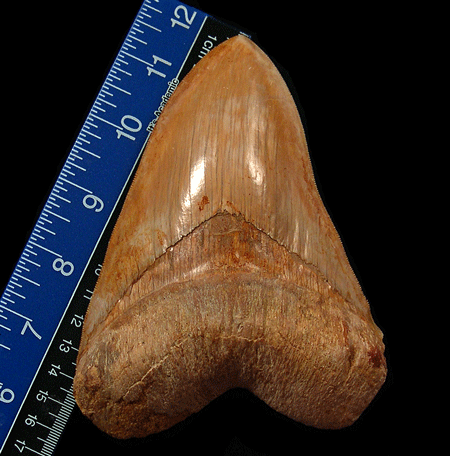
Collectors often assume that size alone defines a Megalodon tooth’s value. They focus on the number of inches listed, hoping that a larger measurement means a higher value. But here is the truth. The size of the megalodon tooth plays a role in market demand, but condition, structure, and rarity determine what buyers are willing to pay. When you understand how these factors work together, you avoid overpriced choices and make smarter buying decisions.
Do Larger Teeth Always Bring Higher Value
Many buyers chase longer teeth, expecting them to hold more value. While size makes an impression, other factors quickly decide whether a tooth truly earns its asking price. A large but cracked specimen may cost less than a smaller, perfectly intact tooth. Buyers must check surface quality, completeness, and symmetry before assuming that size alone justifies a higher price. The actual value appears only when size is combined with preservation and rarity.
Condition Remains the Core Value Indicator
Size cannot make up for damage. Collectors always inspect the tooth’s physical features before judging its value. The four traits below guide most buying choices:
● Serration sharpness reflects how well the tooth endured fossilization.
● Root integrity shows whether the tooth remained whole after discovery.
● Enamel texture reveals exposure, handling, or erosion.
● Visual symmetry supports better display quality.
A flawless five-inch tooth with all these elements intact often holds more value than a seven-inch tooth that lacks structure.
Rarity Elevates Interest in Any Size
Rarity turns ordinary into sought-after. While many Megalodon teeth fall within the four to five-inch range, teeth above six inches become much less common. When such teeth also retain strong enamel, clean edges, and intact roots, collectors act fast. Their scarcity increases competition, and that can push prices higher. But when a rare size lacks preservation, its appeal drops. Buyers notice quickly when a fossil does not meet quality expectations.
Preservation Overrules Length in Small Teeth
Some of the best fossil investments come in smaller sizes. Many teeth, ranging from four to five and a half inches in length, exhibit exceptional clarity and coloration. Collectors often prefer these for several reasons:
● They offer rich detail without damage.
● Their size allows easier handling and display.
● They present excellent examples of fossil quality without high cost.
A smaller fossil that tells a clean story earns more long-term value than a larger one with significant flaws.
Color and Location Shape Appeal
Collectors often value color as highly as size. Soil composition and fossilization environments affect how a tooth absorbs minerals over time. Some teeth take on deep browns, smoky grays, or rare blues. These features reflect the region of origin and tell a story about its preservation. A six-inch tooth with average color may not stand out next to a five-inch fossil with rich, unique tones. When location adds historical context, it gives the fossil added depth and authenticity.
Understanding the Megalodon Tooth Size as a Scientific Clue
The size of the megalodon tooth tells scientists and collectors about the shark it once belonged to. Larger teeth likely came from fully grown sharks, some of which reached lengths of over 50 feet. Researchers use tooth length, width, and thickness to estimate the shark’s body proportions. These details also help confirm age and maturity. For buyers, this adds excitement and significance. But historical value differs from market value. Buyers should respect size for what it represents, while keeping market worth grounded in structure and preservation.
Expert Insight Supports Experience-Based Decisions
“Over the years, I have seen too many people overspend on size. A large number means nothing if the tooth cannot withstand close inspection. Real value shows up in balance and condition.”
— Jason Ellery, Fossil Curator, 2023
Visual Appeal Builds Lasting Collections
Many collectors want teeth that photograph well and display clearly. These choices go beyond length. A medium-sized tooth with sharp edges, clean polish, and deep color often draws more attention than a slightly larger fossil with wear or fractures. Size should complement quality, not replace it. Buyers who focus only on inches risk missing out on better specimens that offer stronger presentation. Collections grow in strength when guided by structure and detail, not just measurement.
Myth Versus Fact
Myth: Larger Megalodon teeth always sell for more.
Fact: Only teeth with strong condition and structural integrity earn a higher value.
Myth: Any seven-inch Megalodon tooth is automatically rare.
Fact: Only a few seven-inch specimens combine size with quality good enough to justify rarity.
Myth: Smaller Megalodon teeth hold little interest for collectors.
Fact: Pristine, smaller fossils often attract serious buyers and outperform damaged larger ones.
Myth: The listed price always reflects the fossil’s actual value.
Fact: Buyers must inspect preservation, color, and completeness to assess real worth.
Smarter Buying Starts With Study
First-time buyers should avoid rushing toward the longest tooth. A more thoughtful approach involves checking shape, color, and texture before making a commitment. Ask sellers to describe surface quality, root completeness, and edge condition. Study available options instead of jumping at the most significant number. Here is a simple checklist to follow:
● Confirm root and crown are both intact.
● Look for clean and visible serrations.
● Examine the enamel for cracks or erosion.
● Compare the coloring to other fossils from the same region.
The goal is to find fossils that retain their value and tell a fuller story, regardless of their size.
Conclusion: Let Size Support, Not Define, Value
Buyers often begin their journey focused on the longest tooth available. That instinct feels natural, but usually leads to overlooked details. The best Megalodon teeth earn their value from preservation, completeness, and visual presence. When the megalodon tooth size aligns with these traits, the fossil gains strength in both market value and personal significance. But when size distracts from damage or imbalance, it weakens the purchase. Approach each specimen as a complete picture, not just a measurement. The right fossil will stand out not just in length, but in everything it survived.






