Every Megalodon tooth tells a story that spans millions of years. These prehistoric fossils come from a giant shark that once ruled the oceans and can hold incredible value today. Buyers and sellers often wonder how to assess that value. The answer lies in understanding key traits that define price and demand. Size, preservation, origin, and authenticity all contribute to a fossil’s place in the market. This guide explains what influences the megalodon tooth worth and provides buyers and sellers with the clarity they need to make informed, confident decisions.
What Should Buyers and Sellers Know About Fossil Value
Megalodon teeth vary in quality, structure, and rarity. Not every large fossil commands a high price, and not every small one lacks value. Buyers must know what to look for to avoid overpaying. Sellers must understand what makes their specimens appealing. Without that knowledge, both sides risk misjudging worth. The market rewards clean, natural fossils that retain original features. This article presents clear and accurate points that reflect how buyers think, how sellers prepare, and how the fossil world evaluates each piece for its place in collections and displays.
Size as the Foundation of Value
Length plays a significant role in pricing. Larger Megalodon teeth appear less frequently, and collectors notice the difference. Teeth measuring over five inches attract serious interest. Fossils reaching six inches or more enter a premium range. Still, size tells only part of the story. Shape and balance matter too. A long tooth with an uneven curve may lose appeal. A smaller one with perfect structure often holds more weight in the market. When you assess value, always combine length with proportion, thickness, and overall visual strength.
Condition as a Price Driver
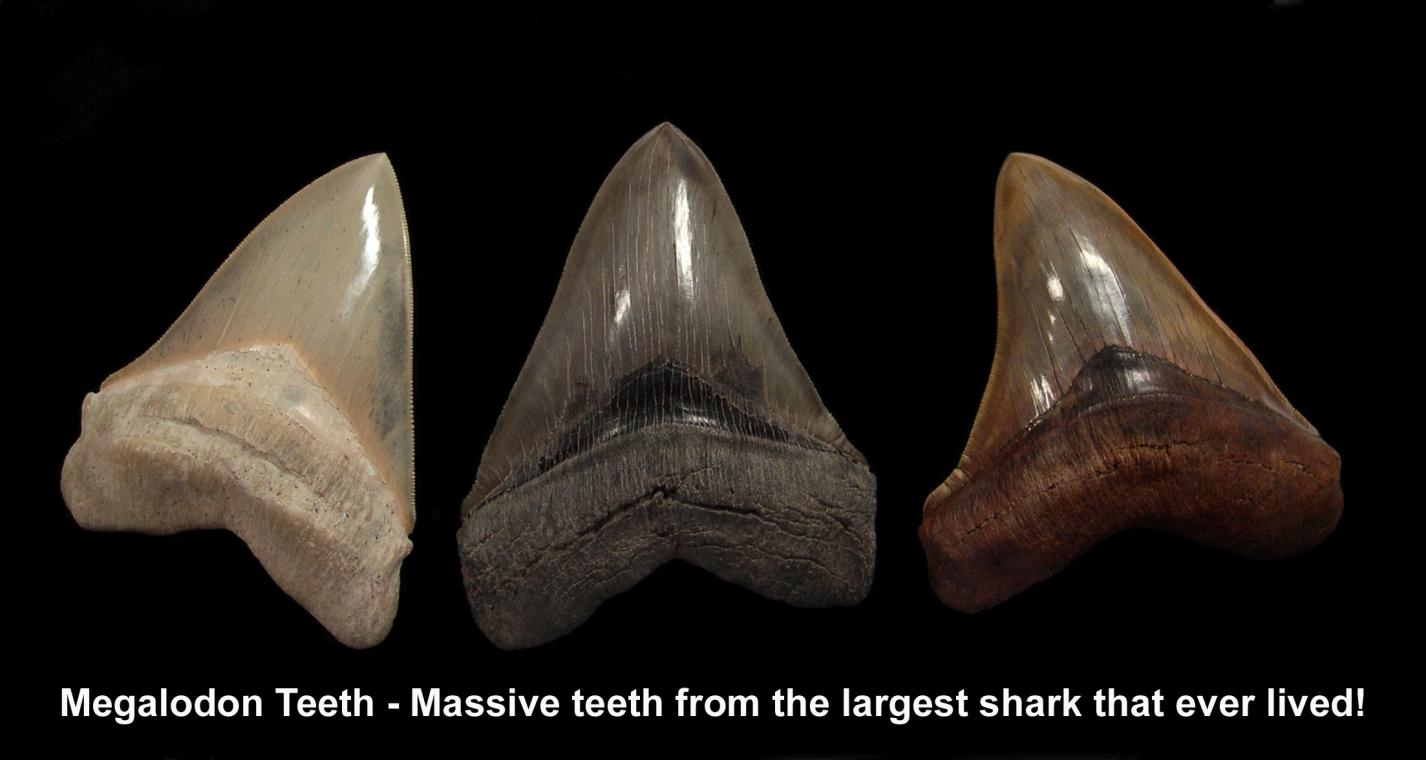
The state of preservation shapes a fossil’s final value. Collectors examine the enamel surface, serration edges, and root structure. Teeth that retain crisp serrations, full roots, and natural sheen rise to the top. Surface wear, chips, and erosion push prices down. Even a six-inch tooth can struggle to find a buyer if it shows too much damage. Sellers who present complete, unaltered pieces usually attract more substantial interest. Buyers look for honesty in condition, not artificial polish. Preservation must reflect nature, not attempt to enhance it.
Discovery Location Adds Market Confidence
The origin of a fossil supports its credibility and often enhances its appeal. Buyers usually ask where a Megalodon tooth originated. Some regions produce specimens with rich color and firm structure. Riverbeds frequently yield smoother enamel, while land-based finds may show more wear. Sharing a find location provides context and helps confirm its authenticity. Fossils with known origin build trust and usually sell faster. Sellers should always give this detail when available. Buyers should ask for it early in the process.
Authenticity Shapes Collector Trust
Real fossils stand out due to their density, mineral composition, and surface features. Buyers expect natural wear, not artificial shine. A genuine Megalodon tooth carries weight and texture that replicas cannot match. Since authenticity directly influences megalodon tooth worth, any signs of polish or restoration must be clearly disclosed. Sellers must be transparent about any work they have done. Serious collectors often prefer raw specimens, even with flaws, over altered ones. Building long-term trust in the market requires honesty and transparency. Explicit photos, complete descriptions, and open answers give a fossil greater appeal.
Color Adds Appeal When Backed by Structure
Minerals from soil or water create different shades in fossilized teeth. Natural tones include black, tan, brown, and even rare blue or gray. Some buyers seek out unique colors for display purposes. However, color alone rarely drives value. A well-preserved tooth with even structure and intense color earns attention. A tooth with a rare color but poor shape still faces pricing limits. Color works best when it supports size, condition, and authenticity. Use it as a complement, not a substitute, for quality.
Market Benchmarks That Guide Pricing
Understanding price starts with seeing what similar fossils sell for. Most Megalodon teeth fall into ranges based on their size and level of preservation.
● Teeth around four inches in solid condition often sell between 250 and 400
● Five-inch specimens with strong serrations and full roots can range from 600 to 900
● Fossils over six inches with minimal damage may cross 1500, depending on shape and color
These benchmarks help sellers price accurately and help buyers understand what to expect. Avoid guessing. Use recent examples from trusted dealers and track patterns over time.
Thoughtful Questions to Ask Before Buying
Buyers who ask the right questions reduce risk and improve their outcomes. Always take time to verify the details that influence price.
● What are the full measurements, including width and thickness?
● Does the enamel show cracks, polish, or natural gloss?
● Are the serrations visible or worn away?
● Has the tooth been restored, repaired, or cleaned?
● Where was it discovered, and how was it recovered?
These questions lead to better buying decisions and more meaningful additions to any collection.
Myth vs Fact
Bigger always means better. Smaller teeth in strong condition often sell for more.
All Megalodon teeth are scarce. Many specimens under five inches remain available and affordable.
Restoration adds value. Most collectors prefer natural wear over visible repairs.
A glossy finish means quality. Over-polishing can hide flaws and reduce long-term value.
Expert Insight from the Field
“A fossil speaks louder when it carries its own history. Each chip or line tells us where it came from and what it survived. That is where real value comes from.”
—Mark Langford, Collector, 2023
Final Thoughts
Buyers and sellers both benefit from knowing what drives value. The market rewards teeth with clear origin, natural preservation, and firm structure. Specimens that meet these conditions typically command higher prices and sell more quickly. Measured evaluation creates clarity. Over time, you learn how size, condition, and origin work together to shape megalodon tooth worth. Avoid assumptions. Study patterns. Ask the right questions. Whether you want to start a collection, grow an investment, or make a single purchase, the details you focus on today determine the worth of your fossil tomorrow.