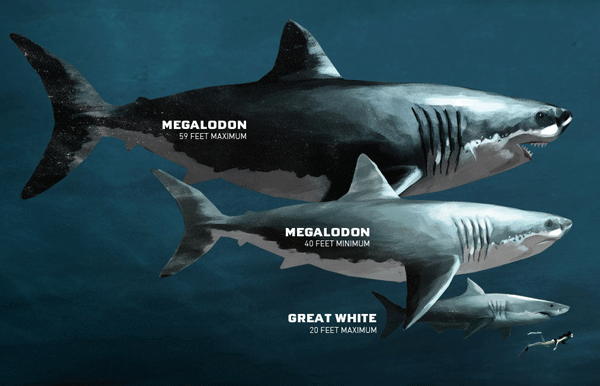
Collectors and fossil buyers often compare a megalodon tooth vs a great white tooth to understand what makes one more valuable than the other. Each fossil comes from a different time and a different predator, carrying its own unique significance. When people search for this comparison, they want more than a size chart. They want to know how these teeth differ in age, shape, texture, and rarity. Some want a centerpiece fossil while others look for teaching tools or collectibles. This guide demonstrates how to identify the qualities that give each fossil its actual value.
Understanding the Origins of Both Fossils
To understand value, begin with origin. Megalodon teeth come from sharks that lived over three million years ago. These fossils emerge from ancient seabeds and riverbanks, often shaped by geological pressure and the passage of time. Their age adds historical and scientific weight. Great white shark teeth, while modern, still impress. Sharks shed these teeth naturally, and collectors recover them from seabeds or coastlines. Although younger, great white teeth connect us to a living species with a link to its ancient ancestor. Both types hold significance. Their differences define how collectors view and value them.
Examining the Physical Traits That Influence Worth
Examine physical features that influence collector interest. Megalodon teeth are large and triangular with a wide root and fine serrations. Their shape reflects the strength of an apex predator from a prehistoric world. In contrast, great white teeth carry a similar form but on a smaller scale. Size alone does not set value. What matters more is the condition. A smaller megalodon tooth with precise edges and symmetry often commands more attention than a larger one with visible wear or cracks.
Recognizing Authentic Surface Features and Color Variations
Check the surface. Texture and gloss tell part of the story. Megalodon teeth may exhibit signs of age due to natural wear, but some remain remarkably well-preserved. Look for original edges, clean lines, and a full tip. Great white teeth in natural condition also attract interest. Avoid any specimens that appear overly polished. Those lose their authenticity. Color also varies. A tooth may appear black, gray, tan, or blue depending on the minerals in the sediment. Though color does not change the species, it adds aesthetic value for display collectors.
Identifying Key Signs of Tooth Value
Consider these signs of value when choosing a fossil
● Strong enamel with visible serrations and an intact tip increases desirability.
● Balanced shape and natural color tone enhance display potential.
● Documented origin raises confidence in the authenticity and market value.
● Naturally preserved texture gives collectors more trust than polished surfaces.
Applying Scientific Context to Fossil Choices
Use context when evaluating worth. Scientific importance plays a role. Megalodon teeth help researchers map prehistoric ocean life and feeding patterns. Great white shark teeth connect living species to their prehistoric lineage. Comparing a megalodon tooth vs a great white tooth brings more than a difference in age or form. It highlights how each fossil serves as a tool for education, display, and appreciation. For many collectors, owning a fossil with a backstory matters as much as appearance. A tooth can represent a turning point in natural history or a bridge between past and present.
Learning from Expert Insight in the Fossil Market
When choosing between these fossils, it comes down to the story each tooth tells. A megalodon tooth often speaks of deep time, geological change, and evolutionary power. A great white tooth shows a living link to that past. Robert Hillman, Paleontology Consultant, 2021
Clearing Myths That Mislead Buyers
Look deeper than myths when judging fossil value
● Megalodon teeth do not always hold a higher value than great white teeth.
● Great white shark teeth can become valuable if preserved and sourced well.
● Color does not confirm species but reflects soil and mineral conditions.
Buying with Confidence by Focusing on the Right Details
If you plan to make a purchase, focus on details. Ask about the fossil’s origin. Study its shape and surface for signs of natural preservation. Use touch if possible. An authentic fossil should feel textured and worn by time, not slick and artificial. Always examine balance, not just length. A smaller, undamaged tooth often holds more value than a flawed, larger one.
Making the Right Choice Based on Collector Experience
Some collectors start their journey with great white teeth. These fossils often cost less, allowing people to build confidence in what to look for. They offer clear structure, a strong connection to modern biology, and appeal in educational settings. As interest grows, many buyers seek out megalodon teeth. These fossils speak to a profound history, immense scale, and great power. They work well as showcase pieces or long-term investments.
Balancing Fossil Value with Personal Preference
Value depends on purpose and interest. Some prefer the science behind prehistoric relics. Others enjoy the thrill of owning something linked to living ocean predators. Both choices remain valid. What sets a wise collector apart is the ability to recognize quality.
Final Words
When you compare a megalodon tooth vs a great white tooth toward the end of your research, ask yourself what matters most. Do you want a fossil that turns heads because of its size and history? Or do you want a piece that ties to current marine life and serves as a teaching tool or collectible? You can find value in both, but knowing what to look for helps you collect with clarity and purpose.