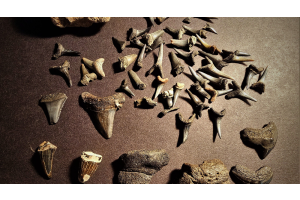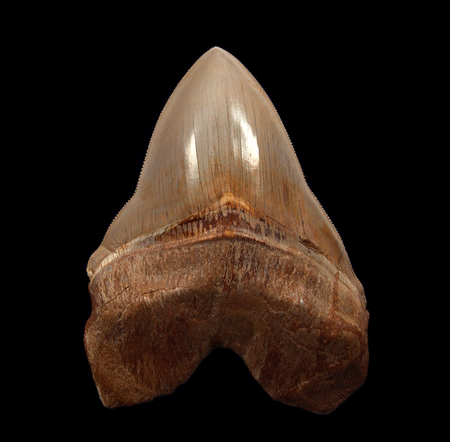
Prices for the most expensive Megalodon tooth have reached extraordinary levels since 2000. While collectors once paid a few hundred dollars for large specimens, the market now values pristine teeth at over $50,000. This dramatic rise reflects a shift in demand, growing collector interest, and limited access to high-quality fossils. These trends now shape the future of fossil collecting, raising important questions for both buyers and enthusiasts.
What Drove the Price Boom Over the Last Two Decades?
Megalodon teeth did not always command such high prices. Around the year 2000, fossil collectors found them with relative ease in rivers, dredges, and phosphate mines. Teeth that measured over five inches sold for a fraction of what they command today. Back then, the fossil trade catered mostly to hobbyists. Serious investors had not yet turned their attention to the Megalodon market.
As access to fossil-rich areas declined, demand for large and well-preserved teeth skyrocketed. Mining operations became more regulated. Some collecting zones are closed completely. This drop in supply led to higher prices. More collectors began to understand the rarity of six-inch specimens in excellent condition. They acted fast when opportunities appeared.
Price Growth That Reflects Collector Intent and Market Evolution
Not every tooth increased in value equally. Size remained important, but other traits began to assume a greater significance. Buyers looked beyond measurements and focused more on features like natural color, serrations, and origin. This change in focus helped redefine what made a tooth truly valuable.
● Collectors paid more for symmetry and sharp edges.
● Investors placed a higher value on teeth with no restoration.
● Buyers preferred specimens with documented origins.
● Museums and private collectors targeted visually striking colors.
Together, these elements raised the bar for what qualified as a premium tooth.
Demand Shifted From Hobby to Investment
Collectors now see Megalodon teeth as more than fossils. Many treat them as long-term investments. Some buyers compare these teeth to fine art or rare gemstones. This shift in mindset pushed values upward. When investors enter a market, they raise the stakes. They compete quickly and often pay premium prices to secure specimens that meet their standards.
Teeth that once sat in private collections now resurface at auction. Many fetch prices far beyond what earlier owners expected. The shift from curiosity to capital has brought new visibility to the fossil world. Megalodon teeth now sit in displays beside meteorites, dinosaur claws, and museum-grade minerals.
The Traits That Turn Fossils Into Top-Tier Specimens
Buyers who pursue the most expensive Megalodon tooth do not rely on luck. They know what to look for and act decisively when they see it. The rarest teeth often share four key traits:
● Measurements over six inches with a complete root structure.
● Enamel without polishing, cracking, or significant flaking.
● Fine, visible serrations that appear natural and unworn.
● Known collection site, especially from famous fossil beds.
Any one of these traits can increase a tooth’s value. When combined, they create collector-grade specimens that often exceed five figures.
Authentic Examples That Set the Standard
The fossil community has seen landmark sales over the last few years. In 2021, a 6.45-inch upper jaw tooth from Bone Valley, known for its excellent preservation, sold for $49,500. It had a natural grey color, sharp serrations, and no signs of restoration. Another specimen from a South Carolina riverbed, measuring 6.3 inches, sold for $38,000. Its dark tone and perfect symmetry made it highly desirable.
In 2023, a private collector acquired a 6.7-inch upper tooth with full enamel and a documented origin. It sold for more than $58,000. These numbers do not just represent isolated cases. They reflect consistent market growth.
Buyer Awareness Shapes Better Decisions
Not every tooth deserves a high price. Educated buyers look for warning signs and take their time when choosing a piece. A seasoned collector continuously checks for these details:
● Repairs or glue work along the root or enamel.
● Unnatural shine that suggests polishing.
● Inconsistent color that may indicate restoration.
● No record of the tooth’s origin or site of discovery.
Buyers who learn how to spot quality often secure better fossils for their money. Their confidence grows, and they build collections that hold or increase in value over time.
How Buyers, Sellers, and Collectors Shape the Market Together?
The value of rare fossils does not depend only on scarcity. It also reflects the trust between buyers and sellers. Reputable sellers provide full details, close-up photos, and context for each tooth. They show flaws clearly rather than hiding them. Collectors respond well to this honesty. In return, they return for future purchases and share their experiences with others. This kind of trust fuels the long-term health of the fossil market. Buyers seek quality, not just quantity. Sellers who offer genuine fossils and avoid restoration play a crucial role in maintaining a strong market.
Why Do Megalodon Teeth Now Attract Investors and Educators?
Megalodon teeth appeal to more than fossil fans. Investors, museum curators, writers, and gift buyers all show interest in these impressive relics. For investors, a well-preserved fossil offers tangible value that can appreciate over time. For museums and educators, large teeth provide compelling visuals that draw attention to ancient marine life. Writers and researchers often use rare teeth in stories and exhibits. Their work helps bring attention to the practice of fossil collecting. As a result, new audiences enter the market, adding fresh demand. The growth shows no signs of slowing down.
Clearing Up Common Myths About Price and Quality
|
Myths |
Facts |
|
Bigger always means better. |
Condition, color, and symmetry often matter more than size. |
|
All online listings are trustworthy. |
Some teeth show restoration or damage not mentioned in descriptions. |
|
Rarity only depends on length. |
Origin and preservation both play significant roles in the preservation of cultural heritage. |
|
You can restore a tooth without harm. |
Restoration often lowers long-term value and affects trust. |
Conclusion: A Market That Keeps Evolving
The rise in value for the most expensive Megalodon tooth reflects a combination of scarcity, knowledge, and collector intent. Prices have climbed since 2000 because more people recognize the importance of authenticity and condition. Buyers now compete for investment-grade fossils with full awareness of their traits and origins. Collectors who understand what makes a tooth rare stand a better chance of finding the right piece at the right time. As more top-tier fossils enter private hands, the market will continue to reward those who handle them with both care and confidence.