

Collecting dinosaur fossils is more than a passion—it’s an investment in history. Among the most prized finds, Carcharodontosaurus teeth are some of the most spectacular, rivaling even the mighty Tyrannosaurus in scale and intrigue. As specialists, we understand the importance of distinguishing between authentic fossils and clever imitations, particularly when evaluating Carcharodontosaurus teeth for sale on the market. Finding a genuine specimen ensures that your collection holds lasting value and authenticity.
Let’s explore how collectors can confidently identify genuine specimens, what to look for, and why these teeth are such a remarkable addition to any collection.
Why Carcharodontosaurus Teeth Fascinate Collectors
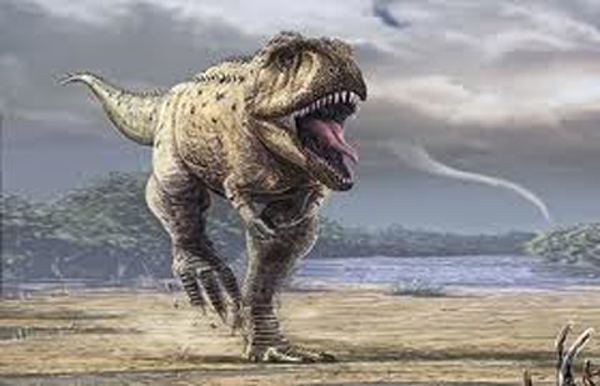
The Carcharodontosaurus, a massive predator that roamed North Africa during the Cretaceous period, was one of the most enormous carnivorous dinosaurs ever discovered. Its teeth are long, laterally compressed, and serrated like steak knives—built to slice through flesh with precision. For collectors, these teeth are not just fossils; they are tangible evidence of a predator that rivaled Tyrannosaurus rex in size and ferocity.
The excitement of owning one of these specimens lies in their rarity, size, and striking features. However, due to their high value, fakes and altered pieces have flooded the market. Recognizing authenticity is essential if you want to secure a fossil that truly belongs in your collection.
First Impressions: Authentic vs. Fabricated
When you first examine a Carcharodontosaurus tooth, its size and coloration may catch your eye. Genuine fossils often have earthy hues—reds, browns, tans, and sometimes darker mineralized shades—depending on the sediment in which they were preserved. Fakes, on the other hand, can appear too glossy or uniformly colored.
The texture is also a giveaway. Authentic teeth will show natural wear, subtle fractures, or root damage from millions of years underground. Replicas may look smooth, too symmetrical, or unnaturally polished. Remember, fossils that look “too clean” should raise suspicion.
Serrations: The Sharpest Indicator
One of the clearest markers of authenticity is the serrations. Carcharodontosaurus teeth have finely serrated edges that resemble a saw blade. These serrations run along both sides of the tooth and are incredibly difficult to replicate convincingly.
If you notice serrations that look machine-cut, perfectly identical, or blunted across the edge, you’re likely looking at a reproduction. Authentic serrations may be uneven in places, worn down, or slightly chipped, reflecting the natural use the dinosaur experienced during its lifetime.
Size and Shape: Recognizing Carcharodontosaurus Features
Carcharodontosaurus teeth are usually large, with some measuring over six inches. Their shape is curved and blade-like, unlike the conical teeth of other predators such as Spinosaurus. The cross-section is flattened, showing the tooth’s function as a slicing tool.
This distinction is critical. Many fake fossils are misshapen, either too rounded or lacking the sharp curvature typically found in genuine specimens. Collectors seeking Carcharodontosaurus teeth for sale should familiarize themselves with authentic shapes and dimensions, as replicas often fail to accurately capture these defining traits.
Surface Patterns: Natural vs. Artificial
Another essential step in authentication is examining the surface for enamel patterns. True Carcharodontosaurus teeth exhibit fine lines, grooves, and sometimes mineral veins caused by fossilization. These features cannot be easily faked, as they form under immense pressure over millions of years.
Artificial teeth or heavily restored fossils may have painted-on patterns, resin coatings, or air bubbles from casting molds. Using a magnifying glass can often reveal these flaws. If the surface looks too consistent or shows brush marks, it’s likely a reproduction.
Restoration and Repairs: What’s Acceptable and What’s Not
Restoration is common in the fossil trade, especially with fragile specimens. A broken tooth may be stabilized with adhesive or small gaps filled in with matrix material. These practices are generally acceptable if disclosed, as they help preserve the fossil’s integrity.
However, heavily restored pieces—where most of the tooth is reconstructed from resin—should be avoided if you’re seeking genuine authenticity. As collectors, we understand that minor repairs are a common aspect of the fossil market, but transparency is crucial.
Provenance and Reputable Sources
The most reliable way to ensure authenticity is to buy from trusted dealers with a track record of sourcing genuine specimens. Fossils from Morocco, where many Carcharodontosaurus remains are found, are particularly abundant; however, the region is also known for its reproductions. That makes documentation and expert verification even more critical.
Certificates of authenticity, excavation details, and professional preparation all add credibility. If a dealer cannot provide this information, it’s wise to be cautious before making a purchase.
Testing Methods for the Serious Collector
For collectors who want absolute certainty, scientific testing can be an option. Techniques such as UV light inspection can reveal restorations, while microscopic analysis highlights enamel structures. More advanced methods like CT scanning or isotopic analysis are sometimes used by museums or high-level collectors.
While these steps may not always be necessary for casual buyers, they demonstrate the seriousness with which authenticity is treated in the fossil community.
Value and Market Demand
The market for Carcharodontosaurus teeth has grown significantly, with large, well-preserved specimens commanding high prices. Their popularity rivals that of Tyrannosaurus teeth, making them a centerpiece in any collection.
Because of this demand, the importance of distinguishing genuine fossils from imitations cannot be overstated. Collectors considering Carcharodontosaurus teeth for sale should remember that authenticity and quality directly influence their value.
Why Collectors Treasure These Fossils
Owning a genuine Carcharodontosaurus tooth is more than just having a fossil—it’s holding a piece of prehistoric history. These teeth connect us to one of the fiercest predators that ever roamed the Earth. Their size, serrations, and stunning presence make them conversation pieces and museum-worthy artifacts.
Every collector dreams of securing a specimen that reflects both natural beauty and historical significance. That’s what makes these fossils so highly sought after and treasured once acquired.
Conclusion
Distinguishing real from fake Carcharodontosaurus teeth takes careful attention to serrations, enamel texture, provenance, and expert preparation. Authenticity remains the top priority for collectors, as Carcharodontosaurus teeth for sale continue to draw global interest for their rarity and historical value. We know the thrill of securing an authentic piece of prehistory—and making sure your collection holds the real thing makes the experience even more rewarding.
Start your fossil journey today—secure authentic Carcharodontosaurus teeth for sale and add a rare, extraordinary piece of prehistory to your collection.






