

For anyone new to fossil collecting, something is thrilling about holding a real piece of prehistoric history in your hands. Dinosaur teeth—especially those from the thick-skulled Pachycephalosaurs—offer a unique entry point into this captivating world. As specialists in authentic fossils, we’ve seen how even the smallest fossil tooth can spark a lifelong passion. If you're wondering where to begin, Pachycephalosaur teeth for sale are an excellent place to start. These fossils are both accessible and surprisingly rare, making them ideal for beginners who want to start strong.
Let’s explore how you can begin your journey by collecting these distinct and historically rich fossils.
What Makes Pachycephalosaurs a Great Starting Point?
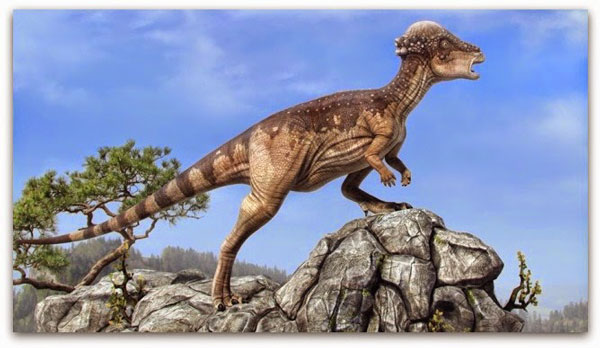
Pachycephalosaurs, often referred to as “dome-headed dinosaurs,” roamed North America during the Late Cretaceous period. They’re known for their thick cranial domes, which may have been used in social or combative behavior. While their skulls are more commonly featured in museum displays, their teeth offer just as much intrigue for collectors.
The teeth of Pachycephalosaurs are small, leaf-shaped, and serrated—features that helped them grind plant material. Due to their unique morphology and distinct evolutionary lineage, they’re excellent specimens for both display and educational purposes.
For beginners, this combination of scientific interest and visual uniqueness makes Pachycephalosaur teeth a brilliant choice.
Rare But Within Reach
Unlike fossils that require exclusive access to excavation sites or elite auctions, Pachycephalosaur teeth are available through reputable fossil dealers. That availability, however, doesn’t mean they’re common. In fact, their rarity stems from the infrequency with which complete teeth are found in good condition.
Most Pachycephalosaur fossils, including their teeth, come from the Lance Formation and the Hell Creek Formation—both known for yielding a range of Late Cretaceous specimens. Teeth discovered in these areas often date back over 66 million years and are prized for their preservation quality.
If you're looking for Pachycephalosaur teeth for sale, prioritize specimens from these formations. They’re often the most authentic and well-preserved, ensuring your collection starts with genuine prehistoric value.
How to Identify an Authentic Pachycephalosaur Tooth
Authenticity is a significant concern when starting. Pachycephalosaur teeth are relatively small—often less than a centimeter—and feature a narrow crown with fine serrations. These details are critical for identification.
A real Pachycephalosaur tooth will usually show:
● A flat to slightly convex crown
● Fine, uniform serrations along the edge
● A gradual taper toward the base
● Brownish to dark mineralization due to fossilization
A careful comparison with verified specimens from trusted fossil sources can inform your selection. Beginner collectors should look for dealers that clearly state formation origin, species, and include detailed close-up photos. Look for ones that describe the specimen’s geological layer and region to further verify authenticity.
Why Pachycephalosaur Teeth Are Collector Favorites
There’s a reason Pachycephalosaur teeth are held in such high regard by collectors at every level. Their appeal is both scientific and aesthetic.
On a scientific level, these teeth help paleontologists understand the herbivorous diets of dinosaurs during the Late Cretaceous and offer insight into how different species processed food. Unlike carnivorous teeth—which tend to look similar across species—Pachycephalosaur teeth have a distinctive profile that stands out in any collection.
From an aesthetic standpoint, their symmetry, detail, and history make them desirable display items. Whether you mount them in a frame or keep them stored for research, their compact size makes them easy to preserve and admire.
When browsing Pachycephalosaur teeth for sale, you’re not just buying a fossil—you’re adding a uniquely traceable piece of the dinosaur lineage to your collection.
What to Expect When You Buy a Pachycephalosaur Tooth
One of the benefits of starting with these fossils is the clear documentation available. Most trusted sellers provide exact data on the formation, estimated age, size, and preservation details. These aren’t just loose fragments—they’re professionally collected and assessed by fossil experts.
When purchasing, consider the following factors:
● Size: Smaller teeth are more common and budget-friendly, while larger or more intact specimens may demand a higher price.
● Coloration: Natural mineral tones vary depending on the region and sediment, ranging from light brown to deep black.
● Preservation: Teeth with visible serrations and minimal wear typically carry more value, both scientifically and commercially.
The experience of buying your first fossil should feel informative and exciting. Seek out sellers that not only provide the product but also the knowledge that enriches your collecting journey.
How These Fossils Are Sourced and Collected
The best specimens often come from scientifically rich formations, such as the Hell Creek and Lance Creek formations. These regions have long been the sites of extensive paleontological work and continue to produce museum-quality fossils.
Collectors often rely on legal surface collecting or work with landowners in fossil-rich areas to gather these specimens ethically and responsibly. Transparency in sourcing ensures that you’re purchasing fossils collected in accordance with preservation laws and ethical standards.
Look for sellers that disclose this information. It adds credibility to your purchase and gives you peace of mind about the origins of your collection.
Building a Fossil Collection That Tells a Story
Starting with a Pachycephalosaur tooth isn’t just about acquiring an object—it’s about beginning a story. Each tooth represents a specific time, location, and species. As you expand your collection, you can build themes around herbivores, Cretaceous fauna, or North American formations.
Many collectors start by acquiring teeth from a variety of dinosaur groups, then specialize over time. Starting with Pachycephalosaur teeth gives you a foundational piece that offers both historical context and room for thematic exploration.
It’s also a gateway to developing skills like fossil identification, stratigraphic awareness, and geological knowledge. As your collection grows, so does your expertise.
Why Now Is the Time to Start
The market for authentic fossils continues to grow, along with increasing demand. High-quality Pachycephalosaur teeth for sale don’t sit idle for long. Their scarcity, combined with their collectibility, makes them both an educational investment and a wise addition to any fossil set.
For beginners, starting small doesn’t mean starting weak. A Pachycephalosaur tooth carries its own weight in terms of historical significance, collectibility, and educational value.
These aren’t mass-produced replicas—they’re real fragments of prehistory that come with a story waiting to be told. When you make your first purchase, you’re not just buying a fossil—you’re acquiring an artifact of natural history.
Conclusion
Starting your fossil collection with Pachycephalosaur teeth offers an exciting and meaningful path into paleontology. These fossils strike a balance between rarity and accessibility, making them a compelling entry point for anyone curious about dinosaurs, geology, or natural history. By exploring the available Pachycephalosaur teeth for sale at Buried Treasure Fossils, you're not only beginning a collection—you’re embracing a connection to a world long gone, but never forgotten.
Start your fossil journey today—contact us to explore rare Pachycephalosaur teeth and claim your piece of prehistoric history.






