

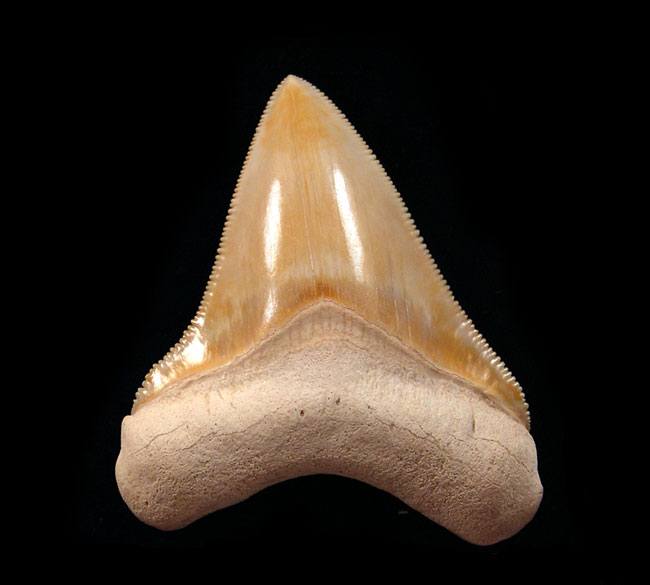
Collectors and fossil enthusiasts share a fascination with the extraordinary teeth of the mighty Megalodon, and none hold more intrigue than those discovered in Florida’s Bone Valley region. These fossils captivate attention not only for their size but also for their vibrant coloration and remarkable preservation. We understand the importance of collectors feeling confident about their acquisitions, particularly when determining the authenticity of a Bone Valley Megalodon tooth.
Let’s explore how to recognize genuine specimens and separate them from replicas or misrepresented fossils.
The Origins of Bone Valley Megalodon Teeth
The Bone Valley Formation in central Florida is one of the most renowned fossil-bearing regions in the world. Ancient marine sediments in this area preserved the remains of countless marine animals, including the formidable Megalodon.
The teeth unearthed here are distinguished by their striking palette of colors—from creamy whites to deep blues, greens, and even vibrant yellows. These unique hues are the direct result of the region’s phosphate-rich soils, which influenced fossilization and created characteristics that are rarely found elsewhere.
Understanding this origin is the first step in evaluating authenticity. Replicas or artificially stained teeth often lack the subtle layering of natural hues that result from millions of years of burial.
The Importance of Enamel Quality
One of the clearest indicators of an authentic Bone Valley Megalodon tooth is the enamel. On genuine fossils, the enamel appears glossy and smooth, with a natural polish created by geological processes rather than by human hands. The edges of the enamel transition naturally into the root, showing fine distinctions in texture and tone.
Replicas often miss this detail. They may appear overly shiny, plastic-like, or even uniform in color, lacking the variation and depth that nature typically produces. A careful eye can detect whether the enamel surface reveals authentic mineralization or a modern attempt at reproduction. Genuine enamel also tends to display subtle micro-cracks and mineral inclusions that replicas rarely capture with accuracy.
Examining the Root and Serrations
The root of an actual Bone Valley Megalodon tooth usually displays a porous texture, contrasting with the smooth enamel above it. Authentic specimens often exhibit natural wear, mineral deposits, and slight irregularities that attest to their age. Artificial replicas or altered fossils, by contrast, frequently have uniform or unnaturally smooth roots.
Serrations are another critical element. While many Megalodon teeth—especially larger ones—show wear on their serrations, authentic Bone Valley examples often retain sharp, distinct edges that taper gradually.
Replicas may exaggerate or soften these serrations, but they seldom replicate the delicate balance of sharpness and wear seen in the genuine article. Owning a Bone Valley Megalodon tooth with preserved serrations can significantly enhance its collector value.
Recognizing the Distinctive Colors of Bone Valley
Color is the hallmark of these fossils, and it serves as one of the most exciting ways to identify authenticity. Bone Valley Megalodon teeth often showcase a spectrum that ranges from white and light gray to shades of lavender, blue, and even soft green. These hues are rarely flat or uniform; instead, they present gradients and subtle blends that tell a story of ancient sediment and mineral exchange.
Fakes or altered specimens may display colors that appear too even, too bright, or out of character for this formation. Genuine fossils often feature earthy undertones and layering that can only be achieved through geological processes. This is why collectors consistently seek Bone Valley fossils—the color variations make each specimen truly one-of-a-kind.
Preservation and Natural Wear
An authentic fossil shows signs of its journey through time. This includes subtle chips, cracks, or mineral inclusions that occur naturally. Rather than detracting from the fossil’s value, these features often confirm its authenticity. Collectors prize specimens that strike a balance between strong preservation and visible signs of age.
Preservation also extends to the luster of the tooth. Genuine Bone Valley Megalodon teeth retain a natural sheen without appearing artificially polished. When evaluating a fossil, look for a depth of surface quality that indicates ancient mineralization rather than modern surface treatment. Even the tiniest imperfections on a real specimen often highlight its history and contribute to its unique character.
How Replicas Fall Short
Modern replicas can be visually convincing at first glance, but they often fall short when examined closely. Synthetic materials cannot replicate the weight, density, or fine mineral detail of authentic fossils. Replicas might feel lighter or warmer to the touch compared to the dense, cool heft of real fossilized material.
Additionally, fakes often reveal mold seams or repeating patterns if produced in batches. A real Bone Valley specimen, by contrast, is unique, shaped by natural forces rather than molds or casts. Careful inspection under good lighting often makes these differences unmistakable to an experienced collector.
Why Collectors Value Authentic Bone Valley Fossils
Collectors place high value on Bone Valley fossils because they represent both beauty and rarity. Each tooth is a prehistoric artifact millions of years in the making. Owning one means holding a tangible connection to Earth’s ancient oceans and to one of the greatest predators to ever exist.
Confidence in authenticity is essential for any collector, whether building a private collection or investing in significant specimens. By learning to assess enamel, serrations, root texture, coloration, and preservation, collectors can ensure their fossils are genuine. With this knowledge, you not only protect your investment but also deepen your appreciation for the story each fossil tells.
Conclusion
Authenticating a Bone Valley Megalodon tooth requires patience, knowledge, and a keen eye for detail. From the glossy enamel to the porous roots, from the vibrant coloration to the natural signs of wear, every characteristic tells a story millions of years old. As collectors, we share a responsibility to honor these treasures by ensuring authenticity and appreciating the unique beauty they offer. When you hold a genuine Bone Valley Megalodon tooth, you are not just acquiring a fossil—you are connecting with a remarkable chapter of natural history, and we understand how meaningful that experience can be.
Contact us today and let us guide you. Together, we ensure that every collector secures fossils they’ll proudly treasure forever.






