

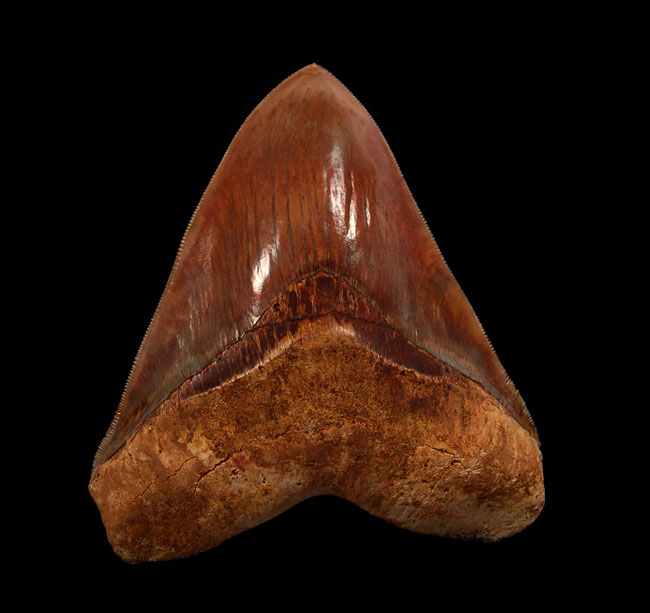
Hold a fossilized shark tooth in your hand and you’ll know what it feels like to grip a fragment of history. It is heavier than you expect, sharp even after millions of years, and packed with stories that textbooks can only skim. Now imagine not just any tooth, but the youngest megalodon tooth found, the last known remnant of a predator that once ruled the oceans. That single fossil doesn’t just whisper of extinction, it sparks excitement in collectors everywhere who want to capture a piece of that ancient finale.
So why do modern collectors get so animated about one particular point on the timeline, and what does it mean for the way you curate your own fossil shelf? Let’s sink our teeth into it.
The thrill of the last chapter
Every story is shaped by its ending. With megalodon, that ending still teases us. Scientists estimate the species disappeared about 3.6 million years ago, but the exact moment remains elusive. That is why the youngest surviving tooth matters so much. It acts like a bookmark placed at the very last page of the shark’s story.
Collectors love context. Owning a fossil that sits near the final breath of a species isn’t just about beauty; it is about narrative. When you show a tooth to friends or display it in a study, you are not just pointing at enamel and root. You are sharing a marker of time, proof of a chapter closing in Earth’s story. That kind of context adds weight to a collection in ways that size alone cannot.
Fossils as conversation starters
Imagine a guest spotting a megalodon tooth on your coffee table. They lean in, eyes widen, and the questions begin. Where did it come from? How old is it? How could something that large vanish? When your specimen is tied to the youngest recorded horizon, you have a ready-made story to tell.
We know from experience that collectors want fossils that carry both scientific credibility and display power. That is why we highlight provenance, formation, and geological background in our listings. These details turn a sharp triangle of enamel into a centerpiece of conversation. And when you can casually mention that your tooth may sit just a whisker away from the youngest megalodon specimens on record, you’ve elevated your collection from decorative to legendary.
How rarity is really measured
It is tempting to think the biggest teeth are the rarest. But rarity is a cocktail of features. Condition, serration detail, enamel luster, and geological age all stir into the mix. A massive six-inch specimen that has been rolled in surf for millennia is less exceptional than a four-inch tooth with perfect serrations, intact bourlette, and a well-documented site.
What makes late-surviving megalodon teeth so captivating is how they combine modest size with historical punch. They may not tower in a case, but they stand tall in significance. We help our collectors recognize this nuance so they can invest with confidence instead of simply chasing inches.
Modern display styles inspired by ancient giants
Collectors today are as much curators as they are buyers. Minimalist interiors, clean shelving, and curated clusters dominate modern design. A single fossil can balance sleek décor with raw natural history. Place a tooth on an acrylic stand, light it from above, and you have a sculpture that outshines manufactured art.
We guide you on how to blend fossils into your home. Jet-black river teeth pair beautifully with pale limestone finds, creating a striking contrast in a glass cabinet. Small clusters on a side table invite touch, while larger display pieces demand a spotlight. With the right curation, your collection becomes less of a private indulgence and more of a shared aesthetic.
The science behind the timeline
Behind the collector buzz lies real science. Determining the youngest tooth isn’t guesswork; it requires advanced dating methods and careful stratigraphic study. Teeth migrate within sediment, and erosion can shift layers, making the detective work tricky. That uncertainty only heightens the thrill. Every new discovery has the potential to push the extinction date forward or back.
As technology advances, collectors also benefit. Better dating techniques mean clearer provenance for the pieces that reach the market. When you invest in a fossil with strong documentation, you are buying not only the object but also the research attached to it. That blend of science and story adds value you can feel every time you look at the display.
Building a collection with intention
If you are starting out, you don’t need the rarest tooth on day one. Begin with a balanced trio: a mid-sized specimen with clean serrations, a dark creek tooth with character, and a lighter limestone example that showcases natural color. Together, they form a foundation that teaches your eye what to value.
From there, you can chase your crown jewel. For some, that is a flawless upper-jaw monster. For others, it is a smaller specimen tied to the youngest surviving layers. Whatever your goal, we help match you with fossils that fit your taste, budget, and long-term vision.
Confidence in every purchase
The fossil market can be daunting. Restorations, repairs, and outright fakes exist. That is why trust is as important as the fossil itself. We examine every piece under magnification, disclose any necessary repairs, and provide detailed photography so you can make an informed purchase. If a tooth has been polished, we say so. If it deserves museum-grade boxing, we provide it.
For us, honesty is not optional. It is the foundation of our service. Collectors return to us not only for fossils but for peace of mind. When you build a collection with us, you build it on certainty.
How we support seasoned collectors
If you already know the difference between a bourlette and a root lobe, you may be searching for something very specific. We keep a shortlist of requests from experienced collectors and notify you when a specimen that fits your criteria surfaces. Whether you crave flawless serrations, rare coloration, or a connection to the latest known horizons, we help you find it.
This personal approach saves you time and ensures that when the right fossil appears, you have first chance at it. That is the benefit of working with a team that lives and breathes fossils every day.
Caring for your investment
Megalodon teeth are hardy, but they appreciate a little care. Keep them out of direct sunlight to preserve their color. Dust them gently with a soft brush rather than a cloth that can snag on serrations. Avoid overly damp rooms if the root shows porous texture. These small habits extend the beauty of your fossils for generations.
We are always here to advise on cleaning or storage, and we can recommend display options that both protect and showcase your collection.
Why fossils remain timeless
Trends in décor come and go. Fossils endure. A tooth that once cut through whale bone still cuts through silence when displayed on a mantle. Its geometry, its weight, and its history are eternal. That is why fossils anchor collections across styles and generations.
Collectors of art, design, and natural history all find common ground in megalodon teeth. They are nature’s original sculptures, carrying an aura no manufactured object can replicate.
Conclusion
The fascination with the youngest megalodon tooth found is not just about pinpointing a date in prehistory. It is about how endings shape stories, how science enriches collecting, and how we help you bring those stories into your home. We combine knowledge, trust, and passion so your collection feels personal, credible, and endlessly inspiring. When you are ready to hold deep time in your hand and give it a place in your life, we are here to make that journey unforgettable.






