There are moments in fossil collecting when the ground seems to shift, literally and figuratively. For years, collectors have relied on legendary Megalodon sites, such as those in Chile, Peru, Lee Creek, and Florida’s Bone Valley mines. These locations shaped the very heartbeat of the community, offering iconic teeth that commanded global attention. But as many of those beloved sites have dried up or become inaccessible, collectors have been asking: What’s next?
The answer has arrived in spectacular fashion, from the limestone-rich grounds of West Java, Indonesia. These new finds not only fill a void in the market but also spark an entirely new wave of excitement among enthusiasts.
Our Indonesian Megalodon teeth collection have quickly become the center of conversation in fossil forums, social media groups, and collector showcases. And it’s not hard to see why, they are a breath of fresh air in a market that was yearning for something extraordinary.
The Rise of Indonesian Megalodon Teeth
In the fossil-collecting community, fresh supply sources are rare treasures in their own right. When a new site is uncovered, it’s not just about availability, it’s about discovery, mystery, and the chance to experience something unique. West Java’s Megalodon teeth have burst onto the scene with an energy that feels almost electric.
Unlike many of the worn, muted teeth that surface from riverbeds or dredge sites, Indonesian Megs stand out immediately. They are unearthed from limestone deposits, which helps preserve stunning coloration and surface detail. This geological backdrop acts almost like a natural artist’s canvas, ensuring each tooth emerges with its character.
Why Collectors Are Calling These Teeth “Showstoppers”
Several features are setting these Indonesian Megalodon teeth apart:
Brilliant Colors and Patterns
Collectors know that teeth from specific sites are identifiable by their hues. Bone Valley teeth, for instance, are renowned for their creamy and tanned appearance, while Chilean teeth often exhibit deep, dark shades. Indonesian teeth, however, rewrite the playbook.
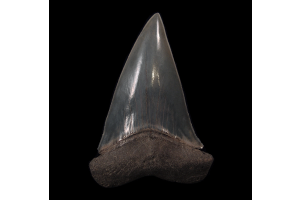
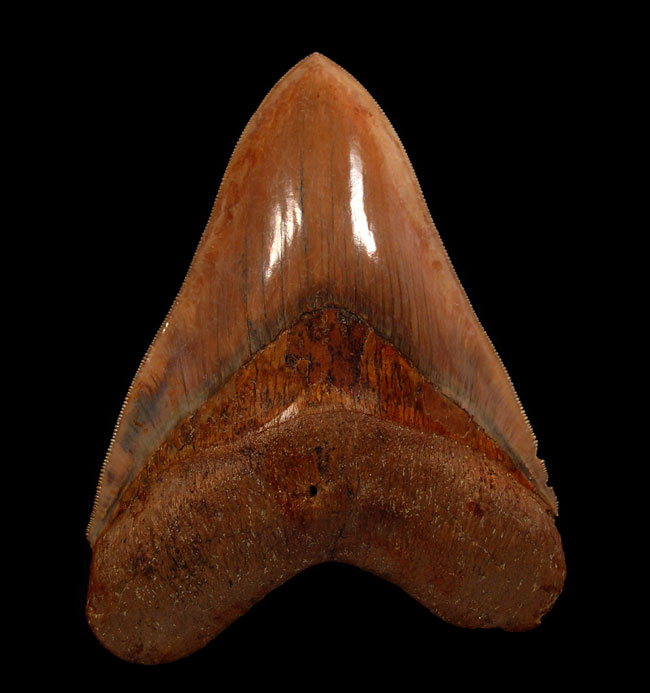
They showcase a broad spectrum, earthy browns, smoky grays, streaked blacks, and even blended color patterns. Each tooth feels less like a fossil and more like a natural gemstone, with hues that command immediate attention in any display.
Incredible Serrations
Serrations are often the first detail serious collectors check when evaluating a tooth’s quality. On many Indonesian specimens, the serrations remain astonishingly intact, razor-sharp, evenly spaced, and often running cleanly to the tip.
This preservation makes them highly desirable for those who appreciate the Megalodon’s fearsome legacy as an apex predator.
Impressive Size
While not every find reaches the colossal “six-inch club,” West Java has produced specimens with commanding dimensions. Larger teeth with strong root integrity are instantly sought after, and Indonesian material is showing that it can compete with the finds from older sites.
Showy Aesthetics
There’s a term circulating in fossil groups: “show teeth.” These specimens are so visually striking that they draw the eyes across the room. Indonesian Megs fall squarely into this category. Their colors, patterns, and preservation make them perfect for collectors who want centerpiece fossils.
A Market in Transition
For years, veteran collectors voiced concerns about dwindling supplies from major fossil regions. Strict regulations in Chile and Peru limited exports, while access to Florida’s Bone Valley mines became nearly impossible due to the closures of mining operations. North Carolina’s Lee Creek, a favorite among American hunters, also ceased to be a steady source.
These shifts left the collecting world in a state of uncertainty. Prices soared, quality dropped, and “fresh” material became increasingly rare. That’s why the introduction of West Java Megalodon teeth has been met with enthusiasm bordering on relief. It’s not just that new fossils are available; it’s that they are worthy fossils, pieces that hold their own against the best from history’s most famous sites.
Why These Teeth Matter for Collectors
At first glance, it may seem like just another market cycle, new site, new teeth, new buzz. However, Indonesian Megalodon fossils represent something more profound for the collecting community. They signal that the world still has hidden treasures waiting to be uncovered. They also restore some of the thrill of discovery, a thrill that was fading as familiar sites closed one by one.
Building Better Collections
For serious collectors, diversification is key. Adding Indonesian teeth alongside classic Bone Valley, Lee Creek, or Chilean specimens creates a richer story. Each tooth tells not just of a predator that ruled the oceans millions of years ago, but also of the geological artistry unique to its home region.
Inspiring New Enthusiasts
The visual appeal of these teeth is drawing in beginners who might otherwise have felt fossil collecting was inaccessible. Bright, patterned specimens feel approachable, even glamorous, compared to more subdued finds. This influx of new collectors helps keep the community vibrant and forward-looking.
West Java: A Fossil Site to Watch
The limestone deposits of West Java have quickly established themselves as a site of major importance. Experts predict that the region could yield remarkable specimens for years, provided the conditions remain favorable.
Of course, like any new fossil source, sustainability is always a question. Collectors are already speculating on how long this boom will last, and whether West Java will become a long-term staple in fossil trading, or a short-lived burst of brilliance like other sites before it.
For now, however, the outlook is bright. The teeth are plentiful enough to make waves but rare enough to feel special. That balance is precisely what keeps collectors engaged.
Looking Ahead: The Future of Megalodon Collecting
The arrival of Indonesian Megalodon teeth is more than a fleeting trend—it’s a reminder of why fossil collecting continues to capture imaginations. Just when it seemed like supply was dwindling, an entirely new chapter opened. Collectors now find themselves re-energized, swapping stories and comparing West Java finds with the same excitement that greeted earlier discoveries decades ago.
It’s impossible to predict how long Indonesian teeth will dominate the spotlight. But what is certain is that they’ve already etched their place in the history of fossil collecting. They are not merely substitutes for closed sites; they are unique in their own right and destined to become staples in world-class collections.
Final Thoughts
Our Indonesian Megalodon teeth collection are more than fossils, they are conversation starters, works of natural art, and evidence of a predator that continues to fascinate millions of years after its extinction. Their rise could not have come at a better time for a community eager for fresh discoveries.
With their brilliant colors, sharp serrations, and impressive size, these teeth stand as a testament to both nature’s power and its artistry. As collectors worldwide showcase their West Java treasures, it’s clear our fossils are not just filling a gap in the market, they are defining a new era.
For now, one thing is certain: the world of fossil collecting has found its newest star, and it shines brightly from the limestone deposits of West Java. Explore our fossil collection today!