

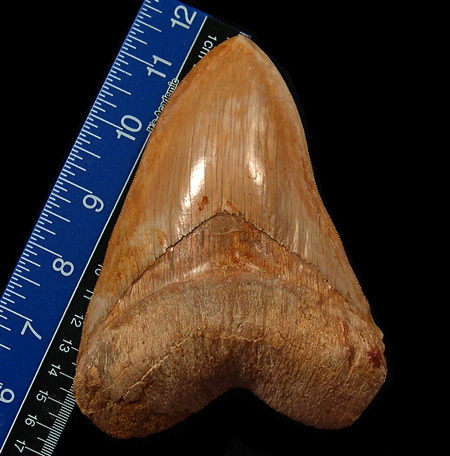
Understanding the scale of prehistoric sharks is one of the most fascinating aspects of fossil study, and within the first questions collectors ask, we often explore how big is a megalodon tooth and what determines size differences across global sites, when we look closely at how big is a megalodon tooth comparing global fossil localities to understand size variation, a remarkable pattern emerges—one shaped by geology, ocean conditions, depositional environments, and the evolutionary pressures that shaped the largest predatory shark in Earth’s history.
Introduction: Why Megalodon Tooth Size Matters
While the first sentence avoids keywords as instructed, our work with fossil shark teeth naturally leads us to examine how big a megalodon tooth is in a scientific context. As collectors, researchers, and students explore our extensive catalog at Buried Treasure Fossils, size remains one of the most important metrics for understanding the biology of Megalodon and the environments that preserved their remains. Because these massive sharks ranged across global oceans, each region offers a unique signature in size variation, preservation quality, and color patterns. These differences make comparative analysis essential for anyone studying or collecting these iconic fossils.
The Global Puzzle of Megalodon Tooth Sizes
One of the most intriguing aspects of size variation is that Megalodon was a cosmopolitan predator, traveling across ancient seas that are now parts of South Carolina, Peru, Indonesia, the Netherlands, and even Morocco. As a result, the question shifts from simply measuring a tooth to understanding how big a megalodon tooth is, comparing global fossil localities to understand size variation based on the specific environmental and geological forces that shaped each deposit.
Tooth sizes commonly range between 4–5 inches in most regions, but isolated pockets produce exceptionally large specimens exceeding 6 inches. At Buried Treasure Fossils, we work directly with these rare pieces, ensuring authenticity, scientific accuracy, and geological context.
South Carolina: The Classic Source of Broad-Crowned Giants
South Carolina rivers are among the most famous fossil shark tooth localities in the United States. These blackwater environments—particularly the Cooper River and surrounding tributaries—produce Megalodon teeth ranging from 3 to over 6 inches. But why do so many collectors associate the region with large, broad-crowned teeth?
Geological Influence
South Carolina’s Miocene and Pliocene marine sediments were deposited in relatively shallow coastal environments. This habitat supported abundant prey, which likely contributed to larger individuals. Additionally, the river systems rework fossils from older deposits, creating a secondary environment where teeth become stained black or deep brown by tannins.
Size Variability
While 4–5 inch teeth are common, the region is surprisingly productive for 6-inch teeth, though pristine examples are rare due to heavy river wear. Root erosion, river polish, and enamel exfoliation occur frequently, which makes high-grade specimens especially valuable. When collectors ask how big is a megalodon tooth, South Carolina often provides the most relatable reference point due to the variety and accessibility of sizes.
Peru: Exceptional Size Meets Exceptional Preservation
Peru’s Pisco Formation is legendary among paleontologists and fossil collectors. These Middle to Late Miocene marine deposits yield some of the finest Megalodon teeth ever found, often displaying remarkable coloration and near-perfect preservation.
Geological Influence
Unlike river-reworked environments, Peru’s coastal basins allowed rapid burial in fine marine sediments. This minimized postmortem damage and produced teeth with thick enamel, sharp serrations, and broad, stable roots. The arid climate further protected fossils from chemical weathering.
Size Variability
Peruvian teeth regularly range from 4.5–6 inches, with many 5-inch specimens exhibiting museum-level preservation. While 6-inch teeth remain uncommon, the region produces some of the highest-grade large teeth in the world. For collectors and researchers studying how big is a megalodon tooth is, comparing global fossil localities to understand size variation, Peru provides examples of how high-energy predators in nutrient-rich waters can reach impressive sizes.
Indonesia: Narrow-Crowned Titans of the Pacific
Indonesia offers some of the most distinct Megalodon teeth on the market, immediately recognizable by their triangular shape, colorful enamel, and unique geological origins.
Geological Influence
Indonesian teeth come from deep marine sediments uplifted by tectonic activity. The tropical climate influences mineralization, creating orange, blue, and multi-tone patterns uncommon in other regions. These deposits frequently yield teeth with narrow crowns, suggesting feeding specialization related to local prey species.
Size Variability
Indonesian localities produce a broad size range, but many collectors notice a higher frequency of teeth measuring 4–5 inches compared to very large specimens. While 6-inch teeth occur, they are significantly rarer than in South Carolina or Peru. This is useful for understanding how big is a megalodon tooth is in an evolutionary context, since tooth morphology varies with regional prey availability and ecological adaptations.
How Sediment Type Affects Tooth Preservation
Geology shapes preservation just as much as it shapes size variation. When researchers compare regions, several influences stand out:
Fine Marine Sediments (Peru)
Produce exceptionally preserved teeth with minimal root damage, intact serrations, and natural luster.
Coastal Sands (South Carolina)
Lead to scouring, micro-abrasion, and enamel wear, especially in river-reworked fossils.
Deep Marine Deposits (Indonesia)
Create stable mineral replacement and striking coloration but often yield more fragile roots.
Coastal Phosphate Beds (North Carolina & Florida)
Produce lighter-colored teeth with a wide range of sizes but varying preservation quality.
Exploring the fascinating size variations of megalodon teeth at fossil sites around the world reveals the exciting connection between the biology of these incredible creatures and the unique sedimentary environments they inhabited. This dynamic relationship offers us valuable insights into the ecological and environmental factors that shaped the remarkable features of these ancient predators. Let’s dive into this captivating journey together!
Using Tooth Size to Estimate Megalodon Body Length
Researchers commonly use tooth crown height and slant height to estimate Megalodon’s total size. Multiple scientific models suggest:
● 1 inch of tooth height equals roughly 10 feet of shark
● Therefore, a 6-inch tooth indicates a 55–60-foot individual
This scale helps paleontologists visualize how size differences across global deposits reflect population-level variations in Megalodon biology—some driven by ecology, others by evolutionary pressures.
Collecting Megalodon Teeth: Why Locality Matters
At Buried Treasure Fossils, we emphasize locality because it allows collectors to appreciate each specimen’s scientific and historical value. Understanding the regional variations behind size helps collectors make informed choices, from acquiring a classic South Carolina black tooth to securing a pristine Peruvian giant.
Locality determines:
● Coloration
● Enamel integrity
● Root completeness
● Potential size range
● Rarity level
● Scientific context
This is why we provide detailed information with every specimen, ensuring accuracy and authenticity for researchers, students, and advanced collectors.
Conclusion: What Size Variation Really Tells Us
Ultimately, when we ask how big is a megalodon tooth is, the answer depends not on a single measurement but on the global story written in marine sediments. Through studying how big a megalodon tooth is, comparing global fossil localities to understand size variation, we see how South Carolina’s reworked river deposits, Peru’s pristine marine basins, and Indonesia’s deep-sea sediments each reveal a different chapter in Megalodon’s history. Suppose you’re ready to explore these remarkable differences firsthand. In that case, we invite you to discover the unique specimens we curate and find the next exceptional piece to add to your scientific or collector’s journey.






