

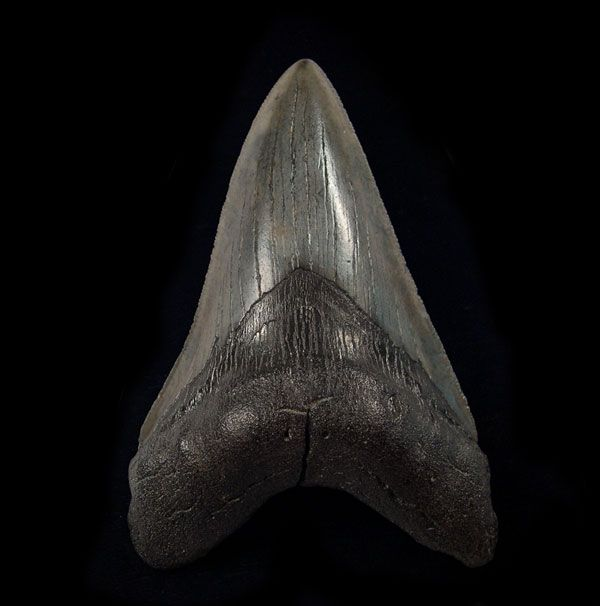
Shark enthusiasts and fossil collectors alike often marvel at the dramatic differences between ancient predators and the sharks that still roam our oceans today. A real megalodon shark tooth for sale immediately sparks fascination not just because of its sheer size, but also because of how it compares to modern specimens like the Great White. At Buried Treasure Fossils, we’ve spent years helping collectors and enthusiasts appreciate these differences by offering both authentic fossilized shark teeth and detailed educational insights into their prehistoric context.
A Giant of the Seas vs. a Modern Apex Predator
The Megalodon, which lived roughly 23 to 3.6 million years ago, was a true ocean titan. Fossil evidence suggests that this shark could reach lengths over 50 feet, with teeth that sometimes exceeded 7 inches. By contrast, today’s Great White shark averages between 11 and 16 feet long, though larger individuals can reach over 20 feet. Their teeth typically measure 2 to 3 inches, making them far smaller than those of their prehistoric cousin.
The immense size of a megalodon tooth is undeniably breathtaking, but it is the intricate features—the sharp serrations, the gleaming enamel, and the solid structure—that vividly illustrate the extraordinary adaptations these ancient sharks developed to thrive in their unique environments. Holding a megalodon tooth in your hand, you can't help but feel its considerable weight and formidable form, serving as a striking reminder of a dominant predator perfectly crafted to rule its domain.
Serration Sharpness and Feeding Strategies
One of the most striking comparisons between Megalodon and Great White teeth is the serration. A real megalodon shark tooth for sale typically shows broad, finely serrated edges. These serrations were crucial for slicing through the thick hides and bones of large prey, including whales and giant marine mammals. Even fossilized, the cutting edges remain visible and serve as evidence of the shark’s extraordinary feeding adaptations.
By contrast, Great White shark teeth are also serrated, but their edges are finer and designed for gripping as much as slicing. Modern Great Whites frequently target fish, seals, and sea lions, so their tooth structure allows them to puncture flesh and hold onto struggling prey. Their teeth tend to break and regenerate often, making them efficient tools for an active predator in today’s marine ecosystems.
Enamel Patterns and Tooth Durability
An intriguing distinction can be found in the enamel patterns of fossilized megalodon teeth. These ancient relics frequently showcase a surprisingly robust enamel layer, enhancing their resilience as they endure the passage of millions of years ensconced in layers of sediment. Collectors may find delight in examining the nuanced variations of color and texture within the enamel, each hue telling a story shaped by the unique minerals present in the surrounding earth. These subtleties contribute to the captivating allure of these teeth, revealing not only their formidable nature but also their journey through time.
The teeth of the Great White shark exhibit a distinct design, characterized by thinner enamel that still possesses remarkable strength for their intended purpose. Unlike the megalodon, which boasted massive, slowly-growing teeth that needed to endure immense pressures, Great Whites benefit from a fascinating biological adaptation: they continuously shed and replace their teeth throughout their lives. This evolutionary strategy diminishes the need for long-term durability, showcasing their ability to adapt and thrive in the ocean’s dynamic environment.
Size as a Collector’s Measure
Size undeniably holds significant importance in the world of fossil collecting. A sizeable megalodon tooth, with its impressive dimensions, can transform into the crown jewel of any collection, captivating onlookers not just for its rarity but for the fascinating narrative etched into its very structure. At Buried Treasure Fossils, we frequently shine a spotlight on specimens exceeding 5 inches, considering them especially noteworthy treasures. Among these sought-after finds, pristine examples measuring a remarkable 6 inches stand out as exceptional gems, prized for their rarity and the awe-inspiring story they tell of a prehistoric predator that once ruled the oceans.
Great White shark teeth, while smaller, are valued differently. Their appeal lies in their evolutionary connection to the Megalodon and their role as living apex predators. Fossilized Great White teeth tend to be rarer to find on the open market due to modern protections of the species, making authentic specimens especially appealing to collectors.
Historical and Evolutionary Significance
The evolutionary story connecting megalodons and Great Whites is still debated, but most paleontologists agree they share a close lineage. Comparing their teeth offers direct insights into how sharks evolved to adapt to changing climates, prey availability, and competition in marine ecosystems. Fossilized shark teeth aren’t just display pieces; they’re educational tools that connect collectors to millions of years of natural history.
When you invest in a fossil like a megalodon tooth, you’re holding a piece of this evolutionary story in your hands. The subtle differences in shape, serration, and size all speak to how life adapts and thrives in different eras.
Why Collectors Value Both
For many fossil collectors, the appeal isn’t limited to one species. Owning both megalodon and Great White teeth offers a unique comparison of past and present apex predators. A megalodon tooth often represents grandeur, power, and prehistoric dominance. Meanwhile, a Great White tooth symbolizes continuity, resilience, and the living legacy of ancient shark lineages.
At Buried Treasure Fossils, we ensure that every specimen we offer is authentic, legally sourced, and carefully graded for quality. Whether you’re seeking a museum-grade megalodon fossil or an entry-level Great White tooth, we make this exciting field of collecting accessible for enthusiasts at all levels.
The Collector’s Journey: From Curiosity to Passion
Many of our customers begin their fossil journey with a single purchase—perhaps a modest Great White tooth that sparks curiosity. Over time, that curiosity often grows into a passion, leading collectors to seek out larger, rarer specimens like megalodon teeth. Our catalog reflects this natural progression, offering affordable options under $50 alongside world-class specimens that can serve as a lifetime centerpiece.
We’ve seen firsthand how a real megalodon shark tooth for sale can transform a collector’s perspective. The sheer size and weight create a personal connection to the ancient oceans, inspiring not just curiosity but also deeper study into paleontology, marine evolution, and even art, as many collectors choose to display these teeth prominently in their homes.
Conclusion: Holding History in Your Hands
When comparing the teeth of the megalodon and the Great White, the differences in serration sharpness, enamel patterns, and overall size reveal much about their distinct roles as apex predators. A real megalodon shark tooth for sale captures the imagination with its unmatched scale, while a Great White tooth offers a tangible connection to living sharks that continue to inspire awe. Both have a rightful place in any collection, whether you’re just beginning your journey or expanding an established display.
If you’re ready to add a piece of prehistory to your collection, we invite you to explore our carefully curated selection. From entry-level fossils to extraordinary specimens, we make it possible to hold history in your hands and experience the wonder of prehistoric life for yourself.






