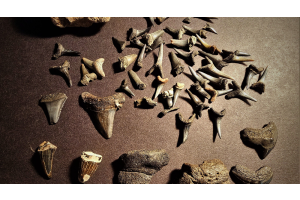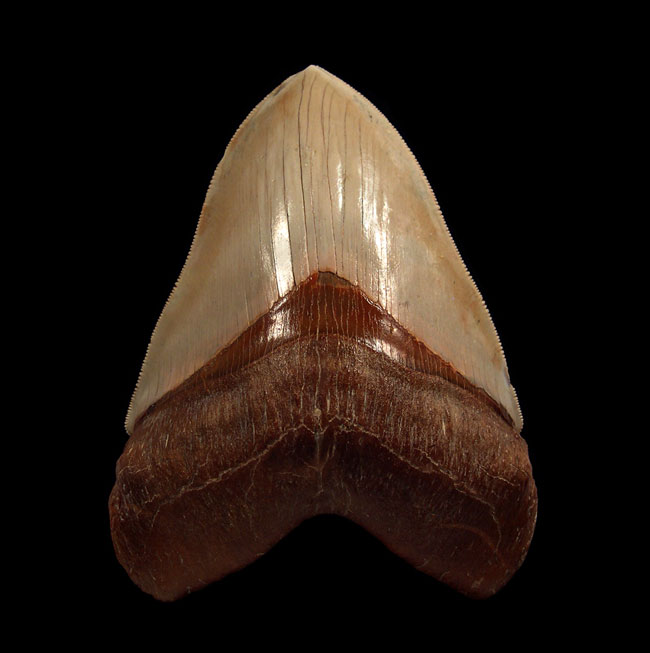
If you think your dentist bill is high, wait until you meet the largest Megalodon shark tooth ever found. This fossil isn’t just massive, it’s historic, awe-inspiring, and just might make your toothbrush feel completely useless.
In this blog, we’re diving deep into the ancient seas to explore the jaw-dropping story behind the largest Megalodon shark tooth ever found. From how it was discovered to what it tells us about the apex predator of the past, this is one tooth you don’t want to miss.
What Exactly Is a Megalodon?
Let’s get one thing straight: the Megalodon was not your average shark. It was a super shark, an apex predator that ruled the oceans for around 20 million years. Scientists believe it could grow as long as 60 feet (that’s about three minivans end to end) and had jaws strong enough to crush a small car.
Its name literally means “big tooth,” and if you’ve seen one, you know that’s putting it lightly. But none are quite as jaw-dropping as the largest Megalodon shark tooth ever found, which sets the gold standard for fossil teeth.
Understanding the size of the Megalodon helps us appreciate just how impressive this discovery truly is.
Size That Bites—Literally
So, how big is the largest Megalodon shark tooth ever found? Drumroll, please. It measures over 7 inches in length. That’s longer than an iPhone, a banana, or your average adult’s hand.
When scientists find a tooth of that size, they don’t just marvel at its length; they use it to estimate the size of the shark it came from. In this case, experts believe the owner of this tooth could’ve been over 65 feet long. That’s longer than a city bus and probably had a stronger bite than any living animal today.
It’s wild to think about, but this single tooth offers clues to one of nature’s greatest giants.
Unearthing the Beast: Where Was It Found?
The largest Megalodon shark tooth ever found didn’t just fall from the sky; it was discovered in the rugged coastal cliffs of Chile. This region is a fossil hotspot thanks to its unique combination of ocean sediment, shifting tectonic plates, and just the right amount of luck.
What makes this tooth even more fascinating is how well it was preserved. Its serrations are still visible, its enamel is intact, and the root shows minimal damage, rare features in a fossil this old.
That level of preservation opens doors to tons of scientific research, and it’s helping experts piece together the life and times of the ocean’s top predator.
Why This Tooth Matters?
Sure, the largest Megalodon shark tooth ever found looks cool sitting in a display case, but it also serves a major purpose in scientific study. Researchers use teeth like this to study Megalodon’s diet, growth patterns, and behavior.
For example, the shape and wear on this tooth suggest that Megalodon chomped on whales and large marine mammals. The bite force needed to take down such prey? Estimated at over 40,000 pounds per square inch.
So yeah, swimming with Megalodon was basically like trying to play tag with a freight train.
Global Teeth: Where Else Have They Been Found?
Although this record-breaking tooth was discovered in Chile, Megalodon teeth have been found worldwide, in locations such as North America, Africa, and even Asia. That tells us this mega-shark got around.
But none of those sites has produced anything quite like the largest Megalodon shark tooth ever found. It’s truly one of a kind.
The wide range of Megalodon fossils also proves something important: this predator dominated nearly every corner of the ancient ocean.
Now, let’s talk about what makes these fossil finds so valuable today.
From Beach to Museum: Where Can You See One?
While the largest Megalodon shark tooth ever found is likely housed safely in a research facility or museum, you can still see real Megalodon teeth on display across the globe.
Museums like the Smithsonian and the Natural History Museum in London, as well as smaller fossil exhibits, proudly display these monstrous relics. Some fossil dealers (like Buried Treasure Fossils) even sell authentic Megalodon teeth to collectors.
Holding a Megalodon tooth in your hand is like holding a piece of Earth’s untold history, except this one had a bite to back it up.
What Scientists Learn from Megalodon Teeth?
Teeth are like time machines for paleontologists. By studying the largest Megalodon shark tooth ever found, scientists have gained insight into how quickly the shark grew, how long it lived, and what kinds of prey it favored.
What’s more, they can estimate the age of the tooth by analyzing the sediment it was found in. Most Megalodon teeth date back between 3.6 and 23 million years.
Imagine biting into your sandwich and having someone use that bite mark to write a biography about you. That’s basically what scientists are doing, with great success.
The Extinction Puzzle
With all this talk about size and power, you might wonder: why isn’t Megalodon still swimming around today?
The largest Megalodon shark tooth ever found might also offer clues about why this giant eventually went extinct. Scientists think a combination of cooling oceans, disappearing food sources, and competition from smaller, more agile sharks played a role.
Whatever the cause, we’re probably all a little safer now that this 60-foot meat missile isn’t lurking in the deep.
Myth-Busting the Megalodon
No, there are no live Megalodons hiding in the Mariana Trench. Sorry, conspiracy fans.
The largest Megalodon shark tooth ever found is solid proof that these sharks lived in the past, but they’re long gone. Fossil records confirm this, and no modern evidence suggests otherwise.
Still, it's fun to imagine a real-life “Jaws” scenario playing out. Just remember, reality is plenty terrifying on its own.
Why Fossils Still Fascinate Us?
There’s something irresistible about ancient creatures. Maybe it’s the mystery, maybe it’s the size, or maybe it’s just the fact that their leftovers are cooler than ours.
Whatever it is, the largest Megalodon shark tooth ever found fuels that fascination like nothing else. It connects us to a time before cities, smartphones, or even humans.
And let’s be honest, there’s something kind of poetic about a tooth surviving longer than most civilizations.
Thinking of Hunting for One?
If you're feeling inspired, grab a shovel and head to places like South Carolina, Florida, or Peru, just don’t expect to beat the largest Megalodon shark tooth ever found on your first try.
Fossil hunting takes patience, knowledge, and a little luck. But whether you find a shark tooth or a seashell, you're stepping into a much larger story.
And if you do find something epic? Well, make sure your dentist sees it first.
Call to Action: Make History Yours
Love fossils?
Check out real Megalodon teeth at Buried Treasure Fossils.
Share this post with your favorite shark nerd.
Subscribe to our blog for more fascinating fossil finds.
The next legendary discovery could be just one dig away.
Final Bite: Why This Tooth Matters
The largest Megalodon shark tooth ever found is more than a fossil—it’s a glimpse into a world we’ll never see, a reminder of nature’s raw power, and a spark for endless curiosity.
Whether you’re a fossil hunter, a science fan, or just here for the giant-tooth drama, one thing’s for sure: history has never been this bite-sized—or this big.