

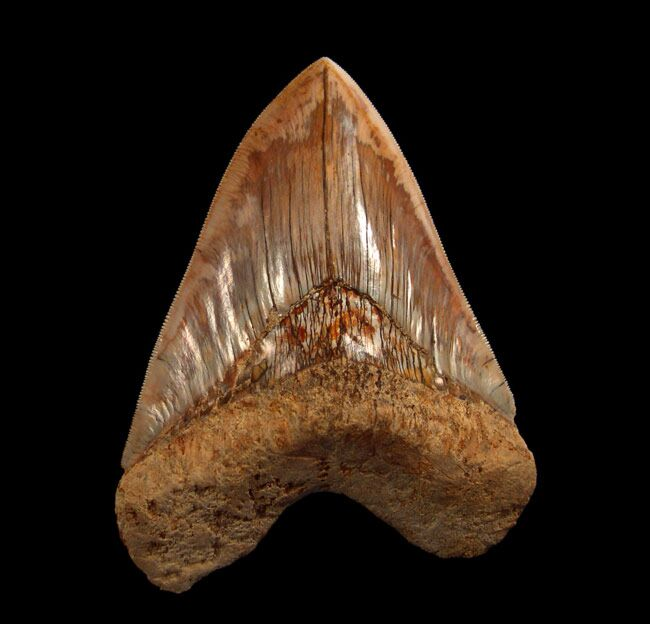
Shark teeth are among the most captivating fossils on Earth, telling the story of apex predators that once ruled prehistoric seas. Among them, the mighty Megalodon stands out—not just for its sheer size but for the mystery surrounding where its fossilized teeth can be discovered today. For collectors and science enthusiasts alike, the best place to find megalodon teeth in Texas often depends on understanding the state’s geological layers, from the Cretaceous seas to the Miocene shallows. At Buried Treasure Fossils, we share a passion for these remarkable specimens and love guiding fellow fossil hunters and collectors through the fascinating history of shark evolution in the Lone Star State.
Why Texas Holds a Fossil Lover’s Appeal
Texas is like a fascinating patchwork of history, showcasing remnants from ancient seas that once gracefully shaped its vibrant terrain. Over millions of years, these changing marine landscapes have transformed into an incredible treasure trove, filled with amazing fossils! Just imagine finding delicate shark teeth, awe-inspiring marine reptiles, intricately detailed ammonites, and even remnants of ancient marine mammals, all patiently waiting to be discovered.
While Texas is renowned for its impressive Cretaceous dinosaurs and mighty mosasaurs, it’s also home to rich deposits from the Miocene and Pliocene epochs—times when the legendary Megalodon was the ruler of the oceans! This wonderful mix of geological history makes Texas an exciting place for enthusiastic shark tooth collectors and educators alike. It’s a fantastic opportunity to spark curiosity through hands-on exploration and the captivating stories of paleontology. Each excavation connects us to a distant world, bringing the enchanting past to life in the vast Lone Star State. Let’s dive into this adventure together and uncover the secrets hidden beneath the surface!
The Cretaceous Period (145–66 Million Years Ago)
Long before Megalodon appeared, Texas was submerged under the Western Interior Seaway. The Cretaceous formations here—such as the Austin Chalk and Eagle Ford Shale—are rich in marine fossils. Collectors often find shark teeth from species like Cretoxyrhina (sometimes called the “Ginsu shark”) and Squalicorax. While Megalodon itself did not exist yet, these earlier shark teeth set the evolutionary stage for later giants.
For students of paleontology, these Cretaceous layers provide valuable lessons in shark lineage, showing how feeding strategies and tooth designs evolved. Cretaceous shark teeth are also common in central Texas outcrops, making them accessible to beginners eager to start their fossil-hunting journey.
The Paleocene and Eocene Epochs (66–34 Million Years Ago)
Moving forward in time, Texas saw dramatic shifts in sea levels. Paleocene and Eocene deposits, such as those in the Midway Group, are well-known for their marine vertebrate fossils. Here, collectors uncover early ancestors of Megalodon, including Otodus obliquus, a shark with broad triangular teeth that hint at the feeding power later perfected by Megalodon.
These epochs are an essential stop for fossil enthusiasts because they bridge the evolutionary gap between smaller Cretaceous sharks and the gigantic Megalodon. For educators, they provide a vivid teaching moment: tooth size and shape can be directly tied to predator-prey dynamics in prehistoric oceans.
The Oligocene Epoch (34–23 Million Years Ago)
The Oligocene brought shallower seas to Texas, particularly along the Gulf Coast. Deposits from this time sometimes yield teeth from transitional shark species. While Megalodon had not yet reached its peak, the Oligocene marks the beginning of the lineage that would dominate Miocene seas.
Collectors may find shark teeth in coastal sediments that reveal the growing trend toward massive, serrated cutting edges—adaptations perfect for preying on marine mammals. For those just getting started in fossil hunting, Oligocene formations offer more accessible finds, making them both rewarding and educational.
The Miocene Epoch (23–5.3 Million Years Ago)
If you’re truly searching for the best place to find megalodon teeth in texas, the Miocene epoch is where the odds improve. During this time, Megalodon sharks thrived in warm, shallow seas that covered parts of the Gulf Coast region. Miocene-aged formations in southern Texas, such as the Fleming Formation, have produced fossils of large sharks, including Megalodon.
Although not as famous as Florida’s Peace River or South Carolina’s blackwater rivers, Texas’s Miocene exposures remain a hidden treasure for those willing to explore. With patience and careful searching, collectors can uncover teeth that once belonged to one of the largest sharks in Earth’s history. These discoveries are not just collector’s items—they’re direct connections to a predator that grew up to 60 feet long, dwarfing the modern Great White.
Comparing Texas to Other Fossil Hotspots
Texas’s fossil record offers a captivating counterpart to the renowned Megalodon sites along the East Coast. While Maryland’s Calvert Cliffs and North Carolina’s phosphate mines yield plentiful teeth, discovering fossils in Texas demands a more focused exploration of particular geological formations. This challenge makes each find in Texas especially gratifying, as it embodies a unique and rare intersection of time, location, and preservation.
For collectors who want the thrill of discovery without the uncertainty, we make authentic Megalodon teeth available through Buried Treasure Fossils. Every specimen we offer is legally and ethically collected, providing peace of mind while allowing you to study and enjoy these incredible fossils up close.
Why Collect Megalodon Teeth?
Beyond their sheer size, Megalodon teeth fascinate for their scientific and cultural significance. They reveal dietary habits, predator-prey relationships, and even clues about ocean temperatures and ecosystems. Large teeth with serrated edges demonstrate Megalodon’s specialization in hunting marine mammals like whales. Smaller juvenile teeth, by contrast, highlight the shark’s life cycle and nursery grounds.
Collectors also prize these fossils for their aesthetics. Polished enamel, sharp serrations, and intact root structures make each tooth a unique natural artifact. Whether displayed in a classroom, a collector’s cabinet, or as a personal treasure, they capture the imagination in ways few other fossils can.
How We Make Fossil Collecting Accessible
At Buried Treasure Fossils, our mission is to share the wonder of paleontology with everyone—from beginners to seasoned collectors. We offer an extensive catalog of shark teeth, including Megalodon, Great White, Mako, and Otodus specimens. Each comes with detailed geological context, so you know not only what you’re holding but also the story it tells about Earth’s past.
We also prioritize accessibility. With fossils starting under $50, collecting doesn’t have to feel intimidating or out of reach. For those seeking museum-grade specimens, we regularly showcase extraordinary finds like 6-inch Megalodon teeth, Tyrannosaurus rex claws, and even rare whale fossils.
By combining educational insight with genuine passion, we help our community of fossil enthusiasts learn while building meaningful collections.
Conclusion: Bringing Prehistory to Your Hands
From the Cretaceous seas filled with early sharks to the Miocene waters where Megalodon reigned supreme, Texas preserves a remarkable timeline of shark evolution. For collectors, educators, and students, understanding these geological ages offers a roadmap to finding and appreciating fossils. While the best place to find megalodon teeth in Texas may still require patience and careful searching, the journey is just as rewarding as the discovery.
If you’re eager to hold a piece of this prehistoric puzzle without spending years in the field, we invite you to explore our selection of authentic Megalodon teeth and other fossils. At Buried Treasure Fossils, we make the ancient world accessible, inspiring curiosity and passion for paleontology with every specimen we share.






