

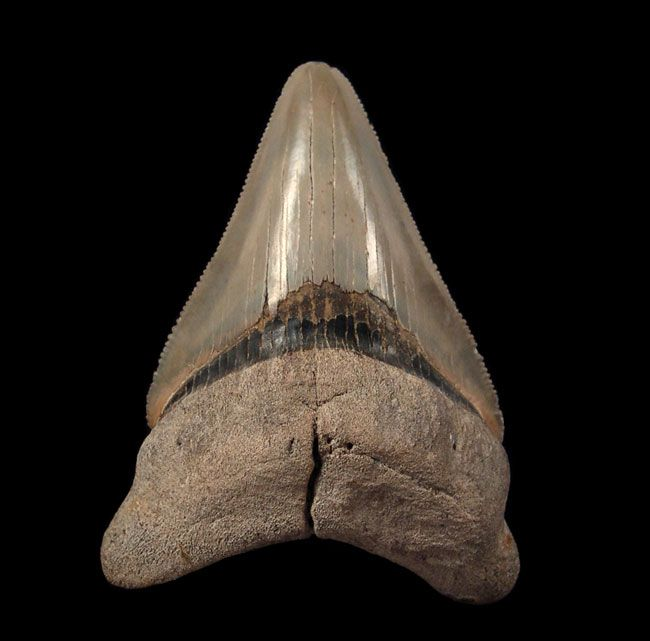
The story of the ocean is written not only in the waves but in the relics it leaves behind. Fossils act as storytellers, reminding us of creatures that shaped marine life long before our time. Among these ancient remnants, one of the most intriguing is the Aurora Megalodon tooth. This fossil connects us to a predator so immense that its very presence still echoes in the scientific imagination. Holding such a fossil is like grasping a chapter torn from Earth’s evolutionary diary, a chapter that speaks of giant shadows moving silently beneath prehistoric seas.
This connection between past and present is what makes these fossils so captivating. To fully appreciate their value, it’s essential to understand not only where they are found but also the stories they tell about life in the oceans millions of years ago.
Tracing the Legacy of a Giant Shark
The Megalodon remains one of the most discussed marine creatures in paleontology. Estimated to have lived from about 23 to 3.6 million years ago, this shark dwarfed nearly every predator that came after it. Its teeth, often measuring over six inches, were tools of precision and strength. A single bite could crush bone and dominate prey in ancient seas.
For scientists and enthusiasts, the size of these teeth provides crucial insights into the shark’s overall dimensions. Fossil evidence suggests these predators grew up to 60 feet long—nearly three times the length of a great white shark. Every recovered tooth reinforces the enormity of this shark’s role in shaping ocean ecosystems.
Aurora’s Fossil-Rich Grounds
The small town of Aurora, North Carolina, has gained a reputation among fossil hunters. Its surrounding soils, shaped by millions of years of sedimentary layering, are rich with marine fossils. What makes this location unique is the consistent discovery of large and well-preserved shark teeth. Among these, the Megalodon’s teeth remain the most striking.
Collectors often describe the thrill of sifting through gravel and spotting the triangular edge of a tooth, darkened by centuries of mineralization. An Aurora Megalodon tooth found here not only reflects the grandeur of its original owner but also tells the story of the land itself—how oceans once covered areas now far inland, leaving behind treasures for future generations to find.
Why Collectors Cherish Megalodon Teeth
For many, collecting fossils is more than a hobby—it’s a way of preserving a connection to the planet’s story. Megalodon teeth, in particular, have an allure that combines science, history, and artistry. Each tooth is unique, marked by differences in size, enamel texture, and coloration.
Some collectors seek teeth in pristine condition, polished smooth by nature’s touch. Others value rugged specimens, with chips and cracks that hint at the fierce life of the shark. Every fossil carries its own silent narrative. Displaying one in a home or collection transforms it from a scientific artifact into a conversation piece, inviting others to share in the fascination.
How Fossils Survive the Ages
The endurance of a Megalodon tooth is a marvel in itself. Fossilization occurs when sediment quickly covers the tooth after it falls from the shark’s mouth. Over millions of years, minerals seep into the structure, replacing organic material with stone. This process preserves the tooth’s iconic triangular form, allowing it to survive in near-original condition.
The durability of these fossils makes them ideal teaching tools for both scientists and collectors. Each one embodies the persistence of natural history—evidence that even the mightiest predators leave behind something to be studied and admired.
Shades of the Past: Fossil Colors
An unexpected beauty of Megalodon teeth lies in their colors. Depending on the minerals in the soil, fossils can emerge in shades ranging from soft gray to deep black, earthy brown, or even warm beige. Teeth found in Aurora often exhibit darker tones, reflecting the unique chemistry of the sediments in which they rested for ages.
These color variations make each fossil a one-of-a-kind specimen. For collectors, the hue is not merely aesthetic but a clue to the tooth’s journey through time and geology.
Insights into Prehistoric Oceans
Beyond their appearance, Megalodon teeth offer a glimpse into long-vanished ecosystems. By studying wear patterns, scientists can infer how these sharks hunted. Growth rings in the teeth can reveal age and even dietary habits. Every Aurora Megalodon tooth enriches this ongoing research, adding detail to the portrait of an apex predator that shaped marine life for millions of years.
Such studies also highlight the differences between past and present oceans, reminding us of the constant evolution of marine environments. These fossils act as signposts in the timeline of ocean history.
The Joy of Discovery
There’s something deeply personal about discovering a fossil for the first time. Imagine kneeling in gravel, sifting through rocks, and spotting the sharp outline of a tooth that has been hidden for ages. In that moment, the world seems to pause. What you hold is not just a stone, but a relic from a time so distant that it almost feels mythical.
This joy is why fossil hunts in Aurora continue to attract enthusiasts from across the country. It’s not only about adding to a collection but about experiencing the thrill of unearthing a connection to prehistory with your own hands.
Adding Fossils to a Collection
For those unable to travel to fossil-rich sites, acquiring specimens through trusted dealers is another way to experience this connection. Whether found personally or purchased, each Megalodon tooth becomes a highlight of a collection. Its size and shape make it an object of fascination, while its history ensures that it will never be merely decorative.
Placed on a desk, in a display case, or shared in conversation, it serves as a daily reminder of the ocean’s untold chapters.
Caring for Ancient Treasures
Once a fossil becomes part of your collection, care ensures its preservation. Gentle cleaning with soft brushes maintains its appearance, while avoiding harsh chemicals prevents damage. Displaying it in a stable environment away from excessive heat or humidity helps protect its surface.
With care, a Megalodon tooth can be passed down for generations, serving as both a scientific relic and a family heirloom.
Symbolism of a Fossilized Predator
These teeth are more than fossils—they carry symbolic weight. For some, they represent the enduring spirit of survival. For others, they embody the mystery of the sea and its creatures. An Aurora Megalodon tooth in particular ties together both personal discovery and the grandeur of natural history. Its presence whispers stories of ancient waters, massive creatures, and the resilience of Earth’s natural design.
Conclusion
In the end, the allure of the Megalodon rests not only in its size but in the stories it continues to tell. An Aurora Megalodon tooth embodies this connection perfectly, offering both collectors and enthusiasts a tangible way to engage with the past. These fossils remind us that while creatures may vanish, their legacy continues to inspire and endure.
If you feel drawn to experience the wonder of these ancient relics for yourself, consider exploring opportunities to bring one into your collection. Begin that journey today and let the story of the Megalodon shape your own connection with the ocean’s timeless history.






