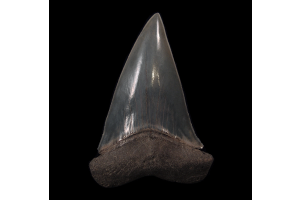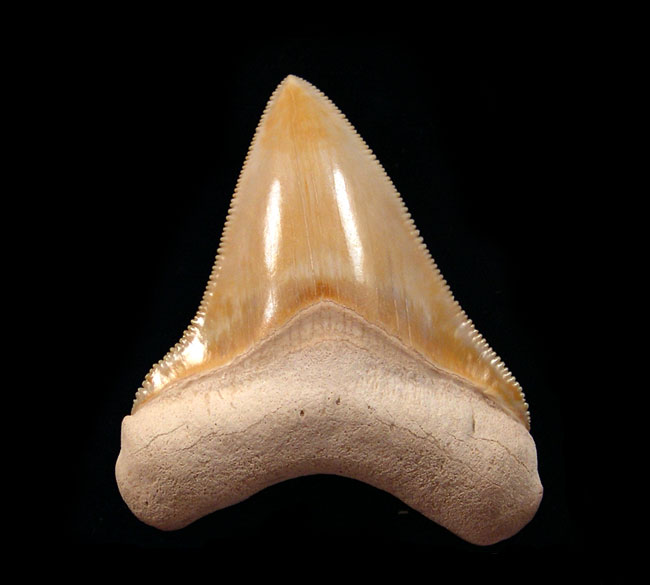
Collectors often marvel at the dazzling colors that set Florida fossils apart, particularly those unearthed in Polk County’s phosphate-rich formations. Within the first layers of this region, one quickly notices how a Bone Valley Megalodon tooth stands out with hues of white, gold, blue, and even striking black-and-white contrasts. These treasures, along with other Florida Bone Valley Megalodon teeth, showcase an incredible palette rarely seen in shark teeth from other fossil localities. At Buried Treasure Fossils, we take pride in offering collectors access to these remarkable specimens while sharing the fascinating science behind their unique beauty.
The Phosphate Connection
The key to understanding the vivid appearance of Bone Valley Megalodon teeth lies in the region’s phosphate deposits. Unlike other fossil layers that produce primarily brown, gray, or tan coloration, the Bone Valley Formation is infused with phosphate minerals that influence preservation. As teeth fossilize over millions of years, minerals slowly replace the original dentin and enamel structures. In Polk County, the phosphate interacts with trace elements, creating natural pigments that enhance the colors we see today. This mineralization process produces a rare spectrum—creamy whites edged in deep blacks, soft pastels blending into blues, and golden tones that almost shimmer under the light.
For collectors, this means each specimen is not only a piece of prehistory but also a natural work of art. Owning a Bone Valley Megalodon tooth means owning something that reflects both the might of the prehistoric shark and the geological story of Florida’s land.
A Unique Geological Window
The Bone Valley Formation is truly a geological treasure that invites us to explore its fascinating past, dating back to the Miocene epoch, around 10 to 15 million years ago! During this vibrant period, Florida transformed into a lively shallow marine paradise, bustling with an incredible array of life. Imagine majestic Megalodons, the ocean's mighty giants, swimming alongside graceful whales, resilient turtles, and a colorful selection of intriguing invertebrates.
As these awe-inspiring sharks naturally shed their teeth throughout their lives, these sharp remains found their way into the nutrient-rich phosphate sediments that blanketed the seafloor. Over millions of years, the powerful forces of nature and changing geological conditions encased these ancient treasures, preserving them in richly mineralized deposits. The Bone Valley Formation is not just a geological site; it’s a remarkable snapshot of a thriving underwater world, offering us a window into a truly extraordinary chapter of Earth’s history. What an exciting journey it is to uncover the secrets of our planet's past!
Other fossil sites, such as those in South Carolina or offshore areas like Venice Beach, also produce Megalodon teeth, but their colors tend to be more uniform: dark gray, brown, or charcoal black. The Bone Valley Megalodon teeth stand apart because of their vivid hues, making them highly desirable among hobbyists and serious collectors alike.
Why Colors Differ Across Sites
Several factors contribute to why fossils take on different shades depending on location:
1. Mineral Composition of Sediments – Sites rich in phosphate, iron, or manganese lend distinct coloration. For example, iron deposits often create reddish or orange tones, while phosphate produces creamy whites, blues, and yellows.
2. Water Chemistry During Fossilization – Salinity, acidity, and mineral content of surrounding groundwater influence how fossils absorb trace elements.
3. Length of Burial – The longer a tooth remains buried in a specific mineral environment, the more pronounced its coloration becomes.
4. Geological Pressure – Fossils subjected to heavier compaction sometimes display deeper or desdarker colors due to mineral density.
Bone Valley’s particular mix of phosphate and groundwater chemistry provided just the right recipe for extraordinary fossil preservation. That’s why the hues of Polk County fossils are celebrated as some of the most vibrant in the world.
Why Collectors Treasure Bone Valley Teeth
For collectors and fossil enthusiasts, color isn’t just about visual appeal—it also reflects rarity. A tooth with striking patterns, such as black roots contrasted with white enamel or shimmering golden tips, is not only beautiful but also significantly rarer than standard finds. These specimens often become the centerpiece of a fossil collection, drawing conversation and admiration.
At Buried Treasure Fossils, we regularly highlight Florida Bone Valley Megalodon teeth because they embody both paleontological significance and aesthetic value. These teeth reveal the evolutionary story of one of Earth’s largest predators while also serving as natural art pieces shaped by millions of years underground.
Access and Rarity Today
Unfortunately, the opportunity to collect directly from Bone Valley sites has diminished. Most of the colorful Megalodon teeth were uncovered during phosphate mining operations in Polk County during the “good old days.” As mining shifted to new areas, the frequency and quality of these finds declined. Today, only a limited number of authentic teeth from Bone Valley reach the collector’s market.
That rarity increases their desirability. Owning a Bone Valley Megalodon tooth today not only connects you to a legendary predator but also gives you a fossil that represents a nearly vanished collecting opportunity. At Buried Treasure Fossils, authenticity and quality are guaranteed, ensuring collectors receive specimens with full confidence in their value and origin.
Educational Value of Colorful Fossils
Beyond aesthetics, colorful Megalodon teeth offer a teaching opportunity. They help us explain how fossilization works, how minerals interact with organic material, and why geological conditions vary so widely across regions. For new collectors, learning through such vibrant examples makes paleontology even more exciting. Parents often find that children become especially fascinated by colorful fossils, which can spark a lifelong love of science and history.
When you hold a vividly colored tooth in your hand, you’re not just looking at a fossil—you’re holding evidence of chemistry, geology, and biology working together across millions of years. That makes every Bone Valley Megalodon tooth an educational treasure as well as a collectible.
Buried Treasure Fossils: Bringing Prehistory to You
Since 2000, we at Buried Treasure Fossils have been passionate about making fossils accessible, authentic, and enjoyable for all levels of collectors. From shark teeth to dinosaur claws, our catalog reflects both scientific value and collector appeal. With our Bone Valley Megalodon teeth, we ensure enthusiasts can experience the rarest and most colorful specimens, complete with guaranteed authenticity.
Whether you’re just beginning your fossil journey or expanding an established collection, we offer tools, educational insights, and flexible pricing to make the process enjoyable. Each fossil is more than a purchase—it’s an entry into Earth’s ancient history.
Conclusion: The Lasting Appeal of Bone Valley Fossils
In the world of fossil collecting, color tells a story. The phosphate-rich sediments of Florida’s Bone Valley transformed ordinary shark teeth into extraordinary specimens with breathtaking hues. That’s why a Bone Valley Megalodon tooth continues to hold a special place among collectors worldwide. By adding one of these rare fossils to your collection, you’re not only preserving a piece of prehistory—you’re also celebrating the unique geological magic that only Polk County could create.
At Buried Treasure Fossils, we’re proud to connect you with these exceptional finds. If you’re ready to expand your collection with specimens that blend natural history and natural artistry, explore our selection and discover why Bone Valley teeth are among the most treasured fossils you can own.