Somewhere in the blue wilderness of the South Pacific, whispers of ancient giants still stir the imagination. Waves gently roll over coral atolls and volcanic shelves, carrying the stories of an ocean that once belonged to a behemoth predator. Long before whales became rulers of the deep, the oceans belonged to something bigger—much bigger.
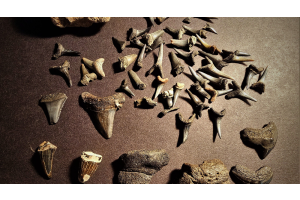
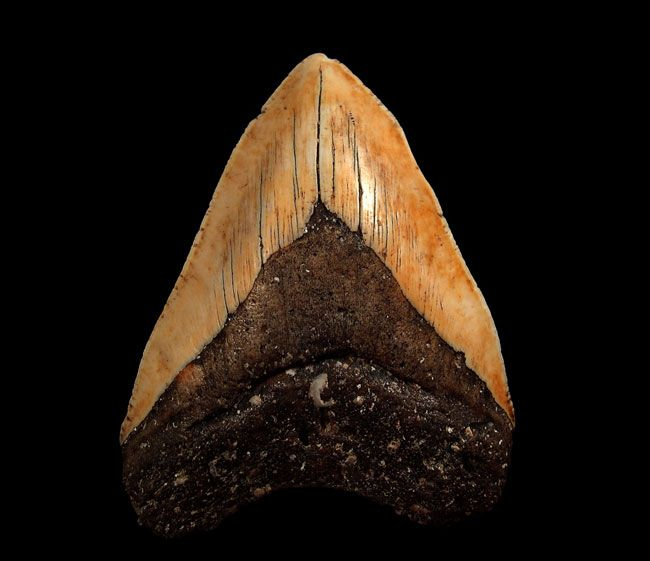
Scientists, divers, and collectors alike have all marveled at the rare discoveries pulled from the seafloor: serrated fossil teeth, weighing over a pound, sharp as broken glass, and shaped like something from a nightmare. These teeth, with their prehistoric energy, belonged to one of the largest carnivores ever to live.
Buried beneath sediment and shielded by time, the remains of this apex predator still lie hidden in unexpected corners of the world. And in one such corner—quiet, tropical, and often overlooked—some believe the sea still holds secrets. That corner is Carcharocles megalodon in New Caledonia.
Let’s explore the curious connection between the fossilized remains of an ancient predator and this serene Pacific island chain.
What Made the Megalodon So Unique?
Before diving into geography, it’s worth pausing to understand the awe surrounding this extinct shark. The megalodon wasn’t a slight exaggeration of today’s great white—it was a different beast altogether. Stretching over 50 feet long, its jaws alone were wide enough to swallow a human whole. Rows upon rows of triangular, razor-lined teeth reveal the story of a marine predator that lived without threat.
Though extinct for millions of years, the megalodon’s remains have been scattered across the globe—some buried deep in riverbeds, others encased in rocky seafloor layers. Among them, specific locations, such as Indonesia, Morocco, and parts of the Americas, have become hotbeds for fossil finds.
But lately, attention has been shifting to a lesser-known site, surrounded by deep waters and volcanic ridges—one that might have kept its fossil secrets buried longer than most.
That place? It ties intriguingly to the keyword Carcharocles megalodon - New Caledonia.
Why New Caledonia is Drawing Attention
Tucked between Australia and Fiji, New Caledonia is a quiet yet scientifically fascinating archipelago. With one of the world’s most extensive barrier reefs and underexplored continental shelves, it offers conditions ripe for fossil preservation.
Volcanic sediment, slow-moving tectonics, and deep marine trenches create the perfect “vault” to protect marine relics from erosion and human interference. Over the years, some amateur divers and researchers have claimed to spot tooth fragments resembling those of ancient sharks.
While mainstream scientific consensus still regards these as rare and unconfirmed, they’ve added an exciting layer of speculation. Could it be that the depths of New Caledonia conceal undiscovered treasures from the Miocene or Pliocene eras?
It’s a question both hobbyists and professional collectors are beginning to take more seriously.
How Fossil Teeth Are Preserved Over Millennia
Fossilization is a slow, elegant process that transforms organic matter into stone. When a megalodon died, its skeleton—made mostly of cartilage—decayed quickly. However, the teeth, hardened by enamel, had better odds of survival.
Over time, minerals would seep into the pores of these teeth, replacing the original material with stone. Pressure, sediment, and mineral-rich environments helped preserve the structure while changing its color and weight. That’s why no two fossilized megalodon teeth are exactly alike.
The conditions near New Caledonia’s submerged coastlines offer the kind of environment that could easily shield such fossils from harsh currents and predators that might disturb burial sites.
Collectors often look for clues in the tooth’s coloration—darker hues suggest minerals from deeper, oxygen-poor sediments. At the same time, lighter shades indicate more recent deposits.
Where the Fossils End Up
Genuine fossilized teeth often find their way into the hands of seasoned collectors and marine enthusiasts. Their value isn’t determined by size alone—color, enamel quality, and serration sharpness all play a role.
A well-preserved megalodon tooth can feel like holding time itself. Some display faint bite marks from feeding, while others carry weathering lines that hint at centuries spent beneath the ocean floor.
Those sourced from remote or underexplored regions, like New Caledonia, carry an added sense of intrigue. Because so few confirmed discoveries come from this area, each specimen becomes part of a much larger conversation about the megalodon’s reach—and the true extent of its reign.
Could More Fossils Surface in the Future?
It’s not just a matter of possibility; it’s a matter of access. As marine technology advances and underwater terrain becomes easier to map and scan, the chances of discovering new fossil sites in overlooked regions grow exponentially.
Given New Caledonia’s complex seabed and relatively untouched fossil record, the odds are promising. The idea that Carcharocles megalodon once cruised these same waters isn’t far-fetched—it’s supported by global fossil mapping, which shows a wide distribution of megalodon remains across many equatorial and subtropical waters.
Whether you’re a seasoned fossil hunter or simply fascinated by ancient marine life, keeping an eye on fossil discoveries from New Caledonia might just lead to your next great find.
What Makes a Megalodon Tooth So Sought After?
It’s more than aesthetics. It’s the symbolism of survival and nature’s grandeur. Each fossilized megalodon tooth is a story—a quiet echo from a time when creatures of unimaginable size ruled the oceans. It connects us to a prehistoric world that’s no longer visible but still leaves behind reminders carved in stone.
To collectors, they’re not only treasures but pieces of natural history. Owning one is like holding a key to Earth’s ancient past—humbling and fascinating in equal measure.
Conclusion: Ancient Giants, Modern Wonders
The possibility of discovering more fossils linked to Carcharocles megalodon - New Caledonia adds a layer of curiosity to a region already rich with ecological beauty. While the exact timeline and behavior of the megalodon still invite speculation, one thing is sure—its legacy lives on, embedded in seabeds, displayed in collections, and admired by enthusiasts around the world.
Who knows? The next time you walk on a beach or dive off the coast, you might be closer to history than you think.
Ready to bring a piece of prehistoric history home?
Explore authentic, fossilized shark teeth and add a real conversation starter to your collection today.