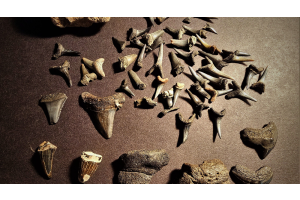
Some relics from the past simply sit in museums, admired from a distance. But others are chased, collected, and talked about for generations. Fossilized teeth from an extinct sea predator fall into that latter category. They're not just rare—these teeth have a story to tell. Whether mounted behind glass or kept in a private collection, they serve as more than artifacts. They are fragments of the Earth's ancient past.
But what exactly makes a single Carcharocles megalodon tooth, buried for millions of years, so fascinating? The answer starts deep beneath the surface—literally and figuratively.
A Glimpse Into Prehistoric Depths
There was once a time when oceans weren’t places of quiet wonder. They were battlegrounds for survival. And at the top of this aquatic food chain was a predator so massive that even the largest great white shark today would seem like prey.
That predator was the Carcharocles megalodon, a name that sends a ripple of awe through marine historians and fossil collectors alike. Living between 23 and 3.6 million years ago, this shark was an oceanic force of nature. Some experts estimate it could reach 50 to 60 feet, with a mouth wide enough to swallow small whales whole.
But long after the creature disappeared from Earth’s oceans, its teeth remain—buried under layers of sediment, waiting for someone to unearth them.
These fossils have become more than mere remnants of the past. They’ve become cultural touchstones, blending scientific intrigue with collector passion.
What Makes These Teeth So Special?
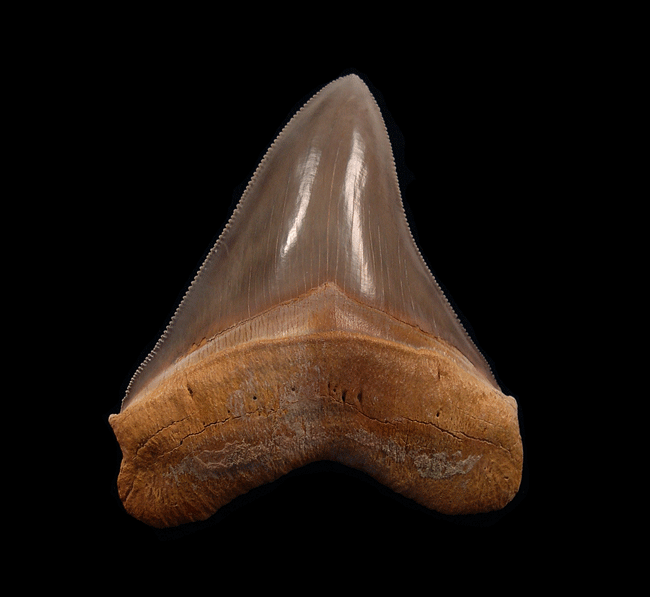
At first glance, a megalodon tooth may not look dramatically different from other shark teeth. But its scale quickly sets it apart. These teeth can measure over 7 inches from base to tip. Their serrated edges remain visible, even after millions of years beneath the surface.
For those new to collecting, it’s easy to be drawn in by the size alone. But seasoned enthusiasts know to look deeper—at the enamel’s shine, the symmetry of the tooth, the preservation of the root, and even the unique color hues influenced by the minerals in the surrounding sediment.
Some teeth take on soft gray tones, while others hold warm amber, chocolate brown, or smoky blue tones. No two are quite the same, which adds to the thrill.
Owning one means holding a piece of something once alive—a remnant of a creature that swam through warm Miocene seas, unseen by any human eyes.
Why Are They Still Being Collected?
Unlike dinosaur bones, which often remain locked away in academic settings, fossilized megalodon teeth are accessible to the public. Some are found through private dredging projects, while others are seen through natural erosion along rivers or coastlines. And thanks to modern fossil trade markets, collectors don’t need to venture into muddy riverbeds to find a quality specimen.
But why do so many people care?
It might be because these fossils balance rarity with approachability. While a pristine, extra-large tooth might cost thousands, there are still many smaller or slightly worn specimens within reach for amateur collectors.
In a way, they offer a tangible introduction to paleontology. You don’t need a lab coat to appreciate a tooth that has survived countless millennia.
What Stories Do They Tell?
Fossils are more than decoration. They’re clues.
Each megalodon tooth offers insight into the shark's lifestyle. For instance, scientists can estimate its age and diet based on the tooth’s size, serration patterns, and location of discovery. Some teeth even show signs of breakage or wear, evidence of the immense pressure exerted when biting into large marine mammals.
And then there are the fossil beds—underwater locations where dozens of teeth have been found in a single area. These spots may have once been feeding zones, suggesting that megalodons returned repeatedly to hunt.
Some rare teeth even show damage from other sharks, hinting at aggressive encounters—either territorial or mating-related.
What makes this fascinating is that you, as a collector or enthusiast, don’t need to be a scientist to see these details. You simply need curiosity and a willingness to observe.
More Than a Fossil: A Statement Piece
A megalodon tooth isn’t subtle. Its sheer presence draws attention, even if displayed quietly on a shelf.
For some, collecting these teeth is about having a conversation starter. For others, it’s about keeping something ancient within reach. There’s a thrill in showing visitors a 5-inch serrated tooth and saying, “This belonged to one of the largest sharks to ever live.”
Because it’s not merely about science. It’s about wonder. These pieces often travel through time and across continents, moving from sediment-rich coastlines to personal displays. Each one has a backstory—where it was found, what condition it was in, how it was cleaned and preserved.
A Careful Eye for Detail
Before purchasing, collectors should take time to observe each piece. A genuine tooth will show natural wear but should retain identifiable features—edges, enamel, and color transitions.
Look closely at:
● Serration quality: Are the edges still visible?
● Root condition: Is the root intact or damaged?
● Color depth: Has it been artificially polished, or is it natural?
● Size vs. preservation: A smaller, near-perfect tooth may be more valuable than a larger, chipped one.
Authenticity also matters. Avoid reproductions of fossils unless they are clearly labeled, and always ask sellers for provenance details.
The most valuable fossils aren’t necessarily the biggest—they’re the most complete, with a story waiting to be discovered.
Carcharocles megalodon in Popular Culture
From documentaries to blockbuster films, the megalodon’s presence in pop culture is undeniable. Its massive size and presumed ferocity make it irresistible to storytellers. But what these dramatizations often overlook is the creature's elegance.
In life, the megalodon was not a mindless monster. It was a carefully evolved predator that dominated its environment with purpose. And its teeth are a reminder of that ancient order—a peek into a marine world we can barely imagine.
In many ways, the continued fascination with this shark reflects something more profound in us. A desire to understand things larger than ourselves. A curiosity about the past that refuses to fade.
Are These Fossils Worth the Investment?
For those viewing megalodon teeth through an investment lens, the market has remained surprisingly strong. As high-quality finds become rarer due to limited excavation areas and tighter regulations, demand has grown.
But unlike traditional collectibles, these fossils don’t require maintenance. They won’t rust, warp, or expire. Their value lies in their permanence—an echo of nature’s ability to create something that endures.
Whether displayed for educational purposes or passed down as family heirlooms, megalodon teeth carry both emotional and historical weight.
Owning a Piece of Deep-Sea History
Holding one of these teeth, it’s difficult not to imagine the moment it was used. A sudden strike underwater. A flash of motion. Prey caught in the jaw of an enormous creature that no longer exists.
It’s more than a fossil—it’s a story you can hold in your hand.
Thinking of Starting a Collection?
Whether you’re beginning your fossil journey or looking to expand your collection, there’s never been a better time to explore. Authentic specimens of all sizes are available, and each offers a unique aesthetic and historical signature.
Start small or go bold—but start with intention. Each piece you bring home is a window to the past.
Explore genuine megalodon teeth today and bring the legacy of the Carcharocles megalodon into your hands.