Some mysteries of the prehistoric ocean have an uncanny way of surfacing when you least expect them. A single fossil, often no bigger than your palm, can rewrite centuries of speculation. And when it comes to megalodons—the extinct giants of the deep—their teeth do more than make headlines. They stir wonder.
Recently, an extraordinary find has raised that wonder to an entirely new level. Tucked in a quiet corner of Chile’s Atacama Desert, paleontologists uncovered what may be the biggest megalodon tooth ever found. Though the news spread through the fossil community like a ripple, it quickly became a wave, sparking debates, awe, and endless fascination.
Now, what makes this particular tooth so special? Let’s take a deeper look at what has made this fossil the subject of such intense attention.
The Desert That Once Was a Sea
At first glance, the sun-bleached Atacama may seem like the last place to find evidence of marine life. But millions of years ago, this arid stretch of land was submerged beneath ancient oceans. These waters were home to some of the most colossal marine predators ever known, including the megalodon.
Over time, sediment buried the remains of these giants. Slowly, the desert preserved them under layers of dust and time. It’s no surprise that today, the region is considered a goldmine for fossil hunters and paleontologists. Yet, even here, a find like this is scarce.
The Tooth That Redefined Records
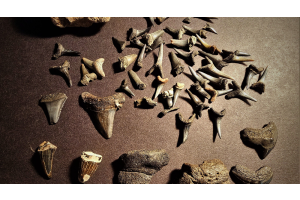
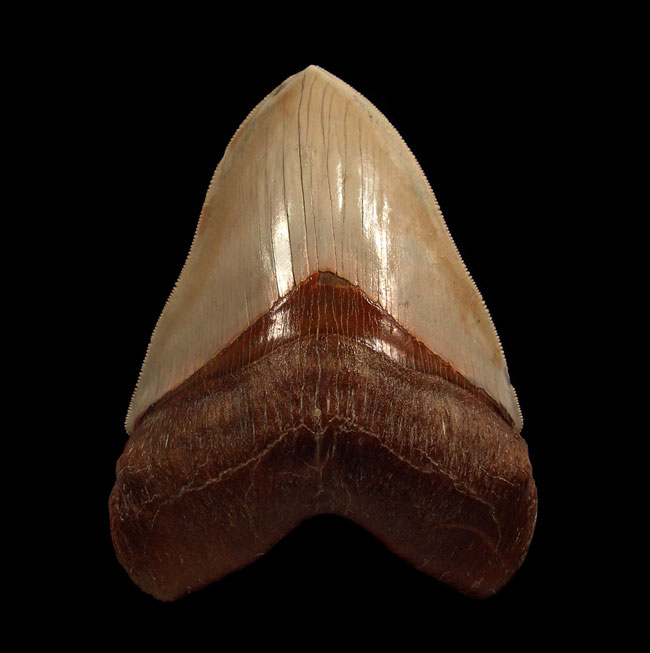
Among hundreds of megalodon fossils unearthed over the years, this one stood out—quietly but firmly. Measuring over seven inches in length, this fossilized tooth dwarfs many others displayed in museums and private collections worldwide. For perspective, most megalodon teeth measure around five inches, already colossal by any standard.
Its preservation is pristine, with ridged edges, glossy enamel, and robust root structure still intact. The curvature suggests it once sat along the lower jaw of a massive predator. Scientists speculate that if the tooth belonged to an average megalodon, it would’ve measured nearly sixty feet in length.
The sheer size of this fossil not only sparks curiosity but also forces researchers to reevaluate the upper limits of this ancient shark’s growth potential.
Beyond Size: What It Tells Us About the Shark
A tooth this massive is more than a jaw-dropping artifact. It serves as a gateway into the life of the creature it belonged to.
Teeth can reveal how the shark fed, how old it may have been, and even the waters it inhabited. With this particular specimen, the enamel's wear patterns suggest it lived long enough to hunt large prey. Scans of the root structure also imply it was an adult—possibly even a senior in shark years.
Interestingly, the fossil’s location in Chile hints at the species' adaptability. Megalodons were once thought to favor warmer waters, but this find extends their habitat range. Could they have hunted in cooler regions as well? If so, their reach was far greater than previously believed.
Collectors and Scientists Agree—This Is a One-in-a-Million Find
Rarely do collectors and scientists rally around the same fossil. Usually, one sees scientific value, while the other considers rarity and aesthetics. But this particular specimen bridges both worlds.
Fossil collectors are calling it a dream discovery—something you wait decades to even hear about. Meanwhile, marine biologists and paleontologists are poring over its every detail, hoping it will unlock clues about ancient ocean life.
More importantly, it adds weight to the belief that we may still be underestimating the size and strength of prehistoric marine predators.
Why This Discovery Matters More Than You Think
Fossils aren’t only about age or rarity. They are pieces of a much larger puzzle. When a find like this surfaces, it fuels further exploration. Scientists return to deserts, cliffs, and ocean floors with renewed enthusiasm. Young fossil hunters are inspired. New questions emerge, leading to new discoveries.
And for the public? It’s a gentle reminder of how little we truly know about Earth’s ancient history. How many more giant teeth remain buried? How many records are waiting to be broken?
The biggest megalodon tooth ever found isn’t just a record-setting fossil—it’s a conversation starter, an open book, and a time capsule all rolled into one.
Preserving the Past for the Future
This extraordinary tooth is expected to remain under careful preservation. Whether it ends up in a museum or stays within a research facility, its impact is already being felt across continents.
Students are writing papers on it. Researchers are updating classification models. Even the casual enthusiast is drawn into the allure of this ancient marvel.
As with many historical finds, the story doesn’t end with the discovery. It begins there.
What’s Next for Megalodon Research?
Every fossil changes the map. This one is no exception. Its existence raises new possibilities—did megalodons live longer than we thought? Were they even larger? Could there be more species we haven’t yet categorized?
Fossilized teeth are often the only surviving evidence of megalodons, as their cartilage-based skeletons rarely fossilize. That makes each discovery immensely valuable. When a record-breaking specimen like this appears, it carries the potential to reshape existing research and ignite new studies.
And with global interest piqued, funding and enthusiasm for oceanic paleontology may well surge again.
Let Your Curiosity Guide You
You don’t have to be a scientist to marvel at such discoveries. Sometimes, it begins with a simple question—what else lies beneath the surface?
If this find has sparked your imagination, it's time to learn more about the ancient world. Fossil replicas, educational kits, and learning materials are accessible and perfect for diving into this fascinating subject.
Let your next adventure start with a single tooth—and see where it takes you.
Curious about ancient sea life and record-breaking fossils?
Explore our curated collection of fossil replicas and shark memorabilia—each piece carries a story waiting to be discovered.