Imagine diving into waters that existed millions of years ago, where massive predators shaped the balance of marine life. Among them, one left behind relics that continue to spark curiosity and awe. The Chile Megalodon tooth is one such relic, carrying with it silent stories of a predator that once ruled the seas. This fossil is not only a tangible piece of natural history but also a key to understanding how oceans evolved and what creatures once thrived within them.
Before we dive deeper into the details, let’s take a step back and look at what makes this fossil so fascinating.
The Giant Behind The Tooth
The Megalodon was an apex predator, dwarfing nearly every other species in its era. Estimates suggest that these sharks reached lengths of over 50 feet, making them among the largest predators to have ever existed. Their massive jaws could crush bone with ease, and their serrated teeth were built for tearing through flesh and bone alike. Holding a fossilized tooth today brings us closer to a predator whose dominance lasted for millions of years.
Why Chile Became A Fossil Haven
Chile’s coastline is rich with geological layers formed over millions of years. These layers preserved countless marine fossils, including shark teeth. The region’s unique natural conditions created an ideal environment for preserving specimens, which can now be found in remarkable condition. Collectors and scientists alike consider Chile a special place where history surfaces from beneath the earth. Each discovery adds to the puzzle of prehistoric marine ecosystems.
The Unique Appeal Of A Fossilized Tooth
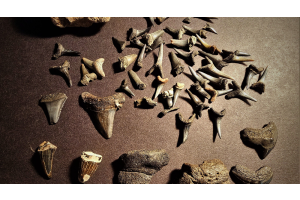
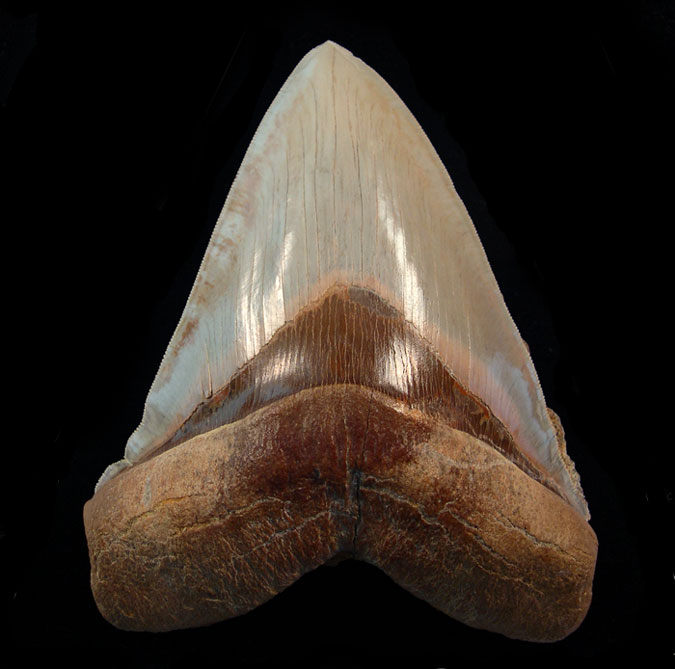
What makes a tooth from this colossal shark more than an ancient relic is its ability to tell a story. A Chile Megalodon tooth often shows serrated edges and enamel patterns that speak of the shark’s hunting style and diet. Some teeth even show wear marks, a reminder of the fierce battles these predators faced. The sheer size of the fossil compared to modern shark teeth makes it a captivating object to hold, examine, or display.
A Window Into Prehistoric Diets
Teeth act like records of feeding habits. Megalodons likely preyed on whales, large fish, and other marine animals. The fossilized remains of whales found near Megalodon teeth give evidence of their feeding dominance. Chilean fossil sites often preserve both predator and prey, creating a more complete picture of ocean life millions of years ago. Each tooth adds to this broader story, linking predator and ecosystem in a way that textbooks alone cannot capture.
Collecting Fossils With Respect
While fossils inspire wonder, they are also delicate treasures. Collectors often seek out Chilean specimens due to their exceptional preservation quality, but responsible handling is crucial. Ethical fossil collecting ensures that the scientific value of these items is preserved. Displaying a tooth is one way to admire nature’s history, but it also reminds us of the importance of protecting what remains beneath the surface for future generations.
The Middle Of The Story: From Ocean Depths To Human Hands
When a Chile Megalodon tooth surfaces from ancient sediment, it bridges the gap between natural history and human curiosity. Fossils unearthed here often end up in private collections, museums, or research studies. For scientists, these fossils help refine theories about shark evolution. For enthusiasts, they evoke a sense of wonder, providing a tangible connection to creatures that once dominated the seas.
What Makes Chilean Fossils Different
Not all Megalodon fossils are the same. Chilean specimens often show subtle differences in coloration and preservation, depending on the minerals in the surrounding soil. These unique patterns make each tooth distinct. Some fossils may feature darker hues, while others carry lighter tones, providing collectors with a variety of natural designs that have been shaped over millions of years. This individuality adds to their appeal, as no two teeth are ever truly alike.
The Human Fascination With Megalodon
Why do fossils like these continue to capture imagination? Perhaps it’s the scale of the creature, or the fact that we can hold something millions of years old in our hands. Popular culture has fueled interest in Megalodons, from documentaries to fictional films, yet the real story lies in the evidence left behind. A tooth from Chile, for example, speaks louder than any story—it is proof of what once was, shaped by time and nature.
Caring For A Fossil Treasure
Owning a Megalodon tooth means taking care of a piece of history. Simple preservation steps, such as keeping the fossil away from extreme moisture or direct sunlight, help maintain its condition. Many collectors display them in cases or stands, ensuring they remain protected while still admired. Proper care enables these fossils to endure for generations, preserving their story for future generations to come.
The Closing Connection Between Past And Present
At the heart of every fossil lies a reminder that the Earth has undergone countless changes over millions of years. A Chile Megalodon tooth, resting quietly in someone’s hand, connects the prehistoric seas with our present day. It embodies the awe of discovery, the depth of ancient oceans, and the resilience of natural history.
When we examine these fossils, we are not only admiring the remains of a predator but also engaging in a dialogue with time. From researchers to collectors, each of us contributes to keeping that dialogue alive.
Conclusion: Bringing The Ocean’s History Closer
Holding a Chile Megalodon tooth is like having a fragment of the ocean’s memory. It is both a scientific artifact and a symbol of nature’s immense scale. These fossils carry the story of survival, dominance, and eventual disappearance of one of Earth’s most remarkable predators. They remind us that history is not confined to books alone, but is also preserved in stone and enamel beneath our feet.
If you’re intrigued by the idea of owning or learning more about these fossils, now is the time to take the next step. Explore, discover, and connect with a tangible piece of history that continues to inspire awe across generations.
Ready to experience a piece of ancient ocean life? Explore authentic fossils today and bring the story of the Megalodon into your own hands.