

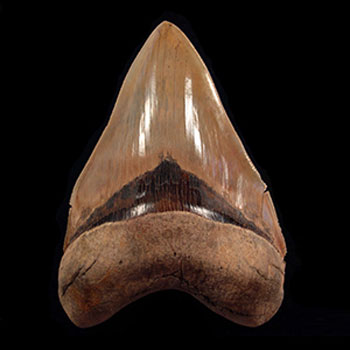
Millions of years ago, colossal predators shaped the seas with unmatched presence. These creatures left behind silent markers of their existence—fossils that whisper tales of depth, survival, and evolution. Among these remains, collectors and enthusiasts are often fascinated by the rare Black Megalodon tooth, a relic that carries both mystery and natural history in its hardened enamel. Its weight in the palm connects the present with the immense life that once ruled waters across the planet.
As we move further into this exploration, you’ll see how something as small as a single fossilized tooth can hold stories as vast as the oceans themselves.
A Glimpse Into The Prehistoric Sea
Imagine standing on a shoreline, not today’s familiar beach but one from the Miocene epoch. The water was filled with creatures we now study only in textbooks. At the top of the food chain swam the Megalodon, a shark so immense that its bite pressure could crush bones with ease.
The teeth that survive from this predator are like fragments of time capsules. Their serrations and size reveal how nature shaped a hunter built for dominance. For those who hold these fossils today, it’s as if the ocean’s past has resurfaced in their hands.
Why Fossilized Teeth Become Timeless
Fossils are not accidental discoveries; they are patient records of the past. A tooth buried under sediment, pressed by weight and water, becomes something greater than its original form. The minerals replace organic material, turning the once-living structure into stone.
The transformation does not erase the story—it preserves it. Each ridge, groove, and edge reflects the exact moment a shark lost it in pursuit of prey. That permanence is why collectors find fossils so captivating: they are silent witnesses to an age long gone.
The Distinctive Beauty Of Fossil Shark Teeth
Among fossils, shark teeth remain among the most sought-after. Their triangular shape, serrated edges, and range of colors—from earthen browns to striking blacks—make them natural works of art.
Collectors often note the distinction between common shark teeth and those associated with massive species. A larger size and rich coloration suggest not only rarity but also a deep journey through layers of the earth before reaching sunlight again.
Black Fossils And Their Appeal
Color tells more than beauty; it reveals the environment. A tooth that turns deep black has absorbed minerals from its surroundings during the process of fossilization. Iron, manganese, and other elements seep into the enamel, leaving the tooth with its darkened tone.
For collectors, this darker fossil is not simply an aesthetic variation. It signifies the slow interaction between ocean sediment and geological forces over millions of years. Every shade carries a reminder of the natural chemistry that shaped its form.
Collecting With Care And Meaning
To hold one of these fossils is more than a transaction—it’s participation in history. Enthusiasts treat each piece with care, studying the edges, the enamel, and the texture. Some choose to display them as conversation starters, while others keep them as private treasures that spark imagination.
Collectors know they are stewards of something that predates humanity itself. The fossil is no longer part of an apex predator’s mouth, but part of an ongoing dialogue between earth, time, and human curiosity.
Understanding Its Value Beyond Price
Market value plays a role in fossil collecting, but their story measures the true worth of these relics. A Megalodon tooth may be admired for its rarity and high demand, but what it truly offers is a unique perspective.
It reminds us of scale: oceans so vast, creatures so immense, and time so endless that even a fossil seems fleeting. Each tooth becomes a symbol of both nature’s strength and its passage into memory.
Holding The Ocean’s Memory
When you see a fossilized shark tooth on display, it may feel like a simple geological artifact. Yet it holds more—it is memory made tangible. It is the ocean’s way of leaving behind a signature for us to interpret.
This connection across eras is what makes these fossils so moving. They are not only scientific specimens; they are links in a chain of life that still surrounds us today in the waves and tides.
Middle Reflection On Prehistoric Relics
Among all variations, the enduring fascination lies with the Black Megalodon tooth. This fossil, larger than most, captures not only the enormity of the shark but also the patience of time itself. The enamel, darkened through its geological journey, speaks of an oceanic drama long concluded yet still accessible. Collectors often remark on how this particular fossil feels like holding a piece of the abyss—an object both grounded and otherworldly.
It is in such relics that curiosity transforms into reverence. The fossil is no longer only a collectible but an entry point into the grandeur of prehistory.
What These Fossils Inspire Today
The fascination with these teeth does not stop with collectors. Artists craft replicas, museums use them to educate, and scientists continue to compare them with modern species. Each fossil inspires questions: What else lies beneath the seabed? How many stories remain untold?
For many, these questions spark a sense of exploration. They remind us that even in a world mapped by satellites, the past still carries mysteries waiting to be touched.
Caring For Fossils At Home
Those who keep fossils often treat them with quiet respect. They may be stored in cases or displayed in areas that invite conversation. Avoiding direct sunlight, handling with care, and appreciating their natural texture ensure they remain preserved for future generations.
The act of preserving is not about ownership but about stewardship. The fossil will long outlast us, and how we treat it today determines how it is passed on tomorrow.
Concluding Thoughts On Ocean Relics
What remains certain is that fossils, especially the Black Megalodon tooth, bridge oceans of time. They draw us closer to the story of a creature that once shaped the marine world with unmatched scale. To hold such a fossil is to feel history condensed into enamel and stone.
The fascination will continue for centuries because these teeth retain their meaning. They remind us of the deep waters that existed before us and will persist long after we are gone.
If you’ve ever wanted to connect with the silent stories of the sea, exploring fossils may be the beginning of your journey. Each piece invites you to imagine, to reflect, and to appreciate the vast history beneath the waves. Take a step into that world—study, collect, or simply admire—and let the ocean’s memory live on in your hands.






