

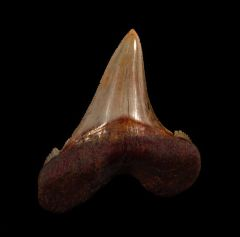
Across the layered cliffs and riverbeds of South America, rare relics remind us of a world once ruled by giant predators. Fossilized remains, shaped by time and sediment, carry whispers of a marine realm that feels both distant and strangely familiar. In these remnants, collectors and enthusiasts find a bridge to prehistory—objects that are more than geological curiosities. They are fragments of living history, preserved against the slow erosion of time. Among the most captivating of these treasures is the Peru Megalodon tooth, a fossil that captures the imagination as much as it does scientific curiosity.
These ancient teeth inspire questions about how creatures of such size thrived, what waters they dominated, and how their disappearance reshaped the oceans we know today. As we trace their story, we not only encounter the Megalodon itself but also the landscapes and processes that locked its legacy into stone.
The Ocean’s Apex Hunter
The Megalodon was a shark of staggering size, with estimates suggesting lengths that could exceed sixty feet. Its dominance stretched across oceans, its jaws capable of crushing bone and shell with ease. Unlike modern sharks that inspire fear in shallow waters, this giant moved through the depths like a sovereign ruler, feeding on whales, large fish, and marine mammals that dared to cross its path.
For those who study paleontology, the Megalodon is more than a creature of myth—it is a keystone to understanding marine ecosystems millions of years ago. Every fossilized tooth adds a puzzle piece to the broader picture of ancient life, offering insight into the migration, diet, and sheer scale of one of the largest predators to ever exist.
Fossils Born From Ocean Beds
When a Megalodon shed a tooth, it often settled into seabeds rich in minerals. Over thousands of years, layers of sand and silt buried it deeper, and the process of fossilization began. Minerals gradually replaced organic material, transforming fragile structures into stone-like relics that are resilient enough to last millions of years.
The coastal regions of Peru have proven especially rich in such discoveries. Geological shifts lifted ancient seabeds upward, exposing layers of history that had been hidden beneath the waves. Today, collectors and researchers uncover these remarkable fossils where desert landscapes meet ancient marine deposits. It is a testament to the collaboration between the Earth and the ocean in preserving history.
Why Collectors Cherish Them
For fossil collectors, a Megalodon tooth is more than an item to display. It represents a direct connection to a species that once dictated the balance of marine life. The sharp serrations, the sheer weight, and the smooth enamel often inspire awe when held in the hand. Unlike replicas, each genuine fossil carries individuality—variations in size, hue, and mineral composition shaped by the unique environment in which it fossilized.
To some, these fossils embody resilience and endurance. To others, they are striking natural artifacts that spark conversation and curiosity. Whatever the perspective, they remain valued symbols of nature’s artistry and history’s permanence.
The Peruvian Connection
While Megalodon fossils are found in several parts of the world, Peru’s fossil beds reveal particularly striking examples. These teeth often bear earthy tones—subtle shades of cream, tan, and deep gray—that reflect the minerals of the Peruvian soil. Their condition can range from heavily weathered to astonishingly intact, with some showing serrations so sharp they appear almost fresh despite their immense age.
Collectors often seek Peruvian specimens for their distinctive beauty. The desert cliffs and valleys where they are discovered offer a setting both dramatic and fitting: arid landscapes guarding the remnants of ancient seas. This duality—ocean fossils resting in dry land—underscores the timeless story of shifting continents and changing climates.
A Fossil’s Journey To Display
When discovered, these fossils rarely appear in polished condition. Layers of sediment must be carefully brushed away, and fragile surfaces require careful handling. Once prepared, however, the tooth tells its own story through shape and wear. Serrations suggest how it sliced through prey. A broken tip hints at struggles with other creatures or encounters with dense bone. Each feature adds a layer of narrative, transforming stone into a chronicle of survival and dominance.
Some fossils end up in private collections, where they become cherished heirlooms. Others find homes in museums, where they inspire new generations of students and researchers. Regardless of setting, the fossils hold an enduring magnetism.
Scientific Value And Human Curiosity
Beyond their aesthetic appeal, Megalodon teeth make significant contributions to science. Measurements of width and length allow researchers to estimate the size of the shark that shed it. Chemical traces within the fossil hint at ancient water temperatures, guiding theories about migration patterns and climate during the shark’s reign. These small details, when pieced together, reveal broader patterns of Earth’s evolutionary story.
For casual admirers, the science adds depth to the fascination. It transforms the fossil from an object into a messenger, carrying data across millions of years. Each discovery continues to fuel discussions about extinction, adaptation, and the resilience of marine life.
Holding History In Your Hands
Imagine holding an object that once belonged to a creature larger than a bus, a predator that could swallow smaller sharks whole. The size alone commands respect, but the texture and heft of a fossilized tooth create an even stronger impression. It is as if time itself condensed into a single object, waiting patiently to be rediscovered.
This tactile connection is what draws so many to fossil collecting. In a fast-moving world, fossils provide a pause—a reminder that history is not confined to books but lives beneath our feet, waiting to be uncovered.
A Bridge Between Past And Present
Owning or studying a Megalodon tooth bridges the gap between human curiosity and natural history. It places us in the continuum of life, reminding us that species rise, flourish, and fade. Yet through fossils, their presence never entirely disappears. They linger as both caution and inspiration, urging us to respect the cycles of nature and the creatures that once shaped them.
For those drawn to the ocean, a fossil is more than stone—it is a keepsake of the sea’s most legendary predator.
Conclusion: The Enduring Legacy Of The Megalodon
The Peru Megalodon tooth captures more than the story of an ancient shark. It embodies the artistry of natural preservation, the shifting landscapes of South America, and the awe humans feel when encountering relics of such scale. From collectors’ displays to scientific studies, these fossils remind us of the grandeur of life that once filled the oceans.
As we explore these remnants, we recognize our role in carrying their story forward. Fossils are timeless educators, connecting us to the rhythms of Earth’s history and sparking curiosity for generations yet to come.
If you’re ready to explore this history for yourself, take the step to begin your own fossil journey. Discover, learn, and allow these treasures to inspire your connection with the natural world.






