

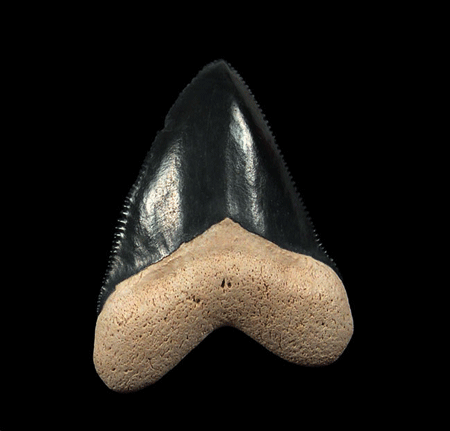
Collectors often chase the big, shiny teeth. But here’s what many overlook. The size of a baby megalodon tooth holds real value. When you understand what that size tells you, you begin to see fossils differently. You stop guessing and start making informed choices. Whether you buy for study, passion, or display, knowing the size range of baby megalodon teeth helps you stay informed and avoid costly mistakes. Let’s unpack how the size of these young shark teeth can shape your buying decision and reveal more than just a number.
Let’s explore more detailed information:
Understand the Real Size Range
Adult megalodon teeth can grow beyond six inches. But when you look at a baby megalodon tooth, you will not find anything close to that. Most baby teeth fall in the range of one to three inches. Some might seem larger at first glance, but context matters. An actual baby tooth exhibits distinct characteristics, including proportion, root development, and enamel pattern, that differ from those of a small adult tooth. When you understand the average baby megalodon tooth size, you avoid confusion and get a clearer idea of what you hold in your hand.
What the Size Tells You
Tooth size doesn’t just say “small” or “large.” It gives insight into the shark’s age and growth stage. A one-inch tooth doesn’t carry the same story as a three-inch one. A smaller tooth often comes from a very young megalodon still in its early hunting years. The size, combined with shape and wear, points to its place in the shark’s life. You can understand whether the tooth came from a nursery area or a juvenile hunting ground. These clues help you match price with real value and avoid inflated listings.
Tooth Shape Adds to the Story
You may hold two teeth of the same size, but see two very different designs. Some exhibit wide, triangular blades, while others feature narrow, pointed forms. These differences often stem from location and age. Baby teeth sometimes show less defined serrations and broader curves. Collectors who seek these traits usually discover rare and revealing fossils. A narrow root and sharp tip may reveal early feeding patterns. You can spot such details with careful observation. They let you dig deeper into the fossil’s background, not just its length.
Baby Teeth Reflect Early Behavior
Baby megalodon teeth bear the marks of their early life. You can read their journey in surface details. Some items may show minor chips, slight wear, or tiny cracks. These indicate that even young megalodons began hunting at an early age. Their teeth suggest a preference for smaller prey, enhanced agility, and a tendency towards constant renewal. You won’t find these features in every fossil. But when you do, they add credibility and richness to your collection. They also tell you that baby megalodons didn’t grow in peace. They lived fast, hunted young, and left behind clues etched in tooth enamel.
Nursery Grounds Leave Their Mark
Most baby megalodon teeth come from specific regions. These areas once served as breeding grounds for these species. Calm waters and easy prey helped young sharks survive. Fossils found in such places often cluster in specific size ranges. When you see several teeth from one region, all under three inches, you likely found nursery fossils. These details help build confidence in the fossil’s story. You understand its environment, age, and origin. This kind of context turns a small tooth into a meaningful piece of prehistoric life, not just another fossil.
Avoid Misleading Listings
Some sellers promote small teeth as rare finds. They highlight shape, color, or supposed age without a clear explanation. You can avoid overpaying when you understand what baby megalodon tooth size actually means. A small size does not always equal high value. Sometimes it means the tooth came from a different species or a broken adult tooth. When you know the correct size range and shape of baby teeth, you can spot mislabels quickly. That knowledge saves money and builds a more substantial collection over time.
Focus on Authenticity Over Size
Many buyers focus too much on inches. They chase the most significant fossil they can afford. However, size does not always equate to quality. A well-preserved baby tooth with visible serrations, intact root, and strong enamel often holds more value than a large, worn adult tooth. You should check the condition first. Then you should match that with age and location. Size matters, but it never works alone. Real collectors know this. They learn to spot truth in detail, not just in dimension. That mindset leads to better choices and more satisfying finds.
Baby Teeth Connect to Evolution
Megalodons didn’t appear overnight. Their teeth trace millions of years of adaptation. When you examine baby teeth, you glimpse early forms and transitions. Serration style, enamel thickness, and root design all link to evolutionary trends. Some baby teeth resemble those of earlier species, such as Otodus. Others exhibit traits more similar to those of great whites. You can use these clues to place fossils in a timeline. You see the species not as a static icon, but as a dynamic force in the history of the ocean. That insight helps you buy with knowledge, not just instinct.
Smarter Buying Comes from Better Questions
Before you buy a baby megalodon tooth, ask the right questions. What is the size in inches? Where did it come from? Does the shape match typical juvenile traits? Is the enamel intact? Has the seller identified it clearly? Does the price reflect its condition or just its size? When you ask these questions, you put yourself in control. You stop guessing and start evaluating. That shift makes every purchase feel more informed and less like a gamble. You build your collection with purpose and pride.
Trust Builds Through Clarity
When you understand what baby megalodon tooth size means, you show respect for the fossil’s story. You don’t fall for gimmicks. You don’t chase empty promises. Instead, you ask for context and accuracy. That attitude builds trust between buyers and sellers. It shapes a better fossil market where real value stands out. Whether you buy one tooth or many, you show that size tells a story worth learning. And when you do that, you set the standard for how serious buyers approach ancient relics.
Final Thoughts
The size of a baby megalodon tooth carries weight beyond inches. It tells you about age, behavior, origin, and authenticity. You can use that knowledge to avoid overpriced listings, spot real fossils, and build a meaningful collection. The size doesn’t just reflect what the shark left behind. It reflects what you choose to believe, value, and invest in as a buyer. When you understand the size of baby megalodon teeth, you stop shopping blindly and start collecting with purpose. That shift not only protects your budget. It also deepens your connection with one of the ocean’s most powerful creatures.
Footnote
Even small megalodon teeth reveal stories of early survival, growth, and behavior. When you read size as data, not decoration, you gain insight and protect every dollar you spend.






