Fossil collectors never guess. They examine, measure, and compare before making a decision. When you choose between a Megalodon or a Great White shark tooth, you focus on particular traits. You check size, shape, color, enamel, root detail, and rarity. These details make or break a fossil’s value. They also tell you a story from the deep past. If you want to understand what separates a megalodon great white shark tooth from the rest, you need to look closely.
Let’s explore more detailed information:
Size Offers the First Visual Cue
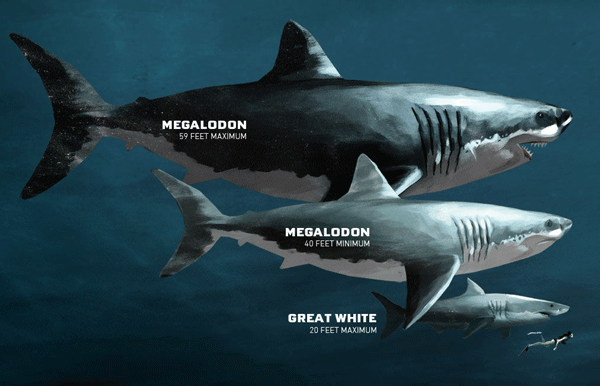
Collectors always start with size. Megalodon teeth dominate in this category. Many reach five to seven inches in length. A few even stretch past that. In comparison, Great White shark teeth usually measure two to three inches. That size difference reflects the scale of each shark. The Megalodon hunted whales. The Great White takes on seals, fish, and other predators. You can immediately spot the size gap. Size alone often tells the first part of the story.
Shape Reflects How Each Shark Hunted
Shape comes next. Megalodon teeth appear broad and triangular with thick roots. The crown often looks solid and flat. This design helped them crush bones and rip into large prey. On the other hand, Great White teeth look slimmer and sharper. The narrow blade suits their hunting method. They slice through flesh quickly. The shape of each tooth matches the shark’s feeding style. A trained eye can recognize the difference without hesitation.
Serration Patterns Confirm the Species
Collectors also study serrations. Both sharks have serrated teeth, but the style varies. Megalodon teeth show excellent serrations that run along the edge like a sharp saw. These serrations enabled them to tear apart large prey. Great White teeth show wider serrations. Their edges appear more rugged. When you hold each fossil, you can feel the difference. The serration pattern often confirms what the shape already suggests
The Bourlette Helps Identify a Megalodon ToothAnother key feature is the bourlette. This feature is only visible on Megalodon teeth. The bourlette sits as a dark, triangle-shaped band at the base of the crown. It creates a visual boundary between the enamel and the root. Great White shark teeth do not have a bourlette. Instead, the enamel flows straight into the root. When collectors check for authenticity, they often look for this exact detail. The bourlette serves as a distinctive feature for Megalodon fossils.
Root Structure Adds Another Layer of Proof
You can also spot differences in the root. Megalodon roots feel thick and heavily curved. They create a broad foundation for the crown. The root is capable of supporting an enormous force. Great White roots look narrower. Their structure feels lighter and less curved. The root shape supports the slicing method of the Great White. For experienced collectors, root inspection remains one of the most effective methods for distinguishing these fossils.
Color Tells a Story About Environment and Age
Color also plays a role. Fossil color depends on the minerals in the soil where the tooth fossilized. Megalodon teeth often exhibit earthy tones, such as brown, tan, black, or gray. Great White teeth usually come in brighter shades, especially when they are recent. Older Great White fossils can turn darker. Still, collectors use color along with other features. You cannot use it alone to identify a tooth. But color can help verify location, age, and preservation.
Condition Dictates Collector Value
Collectors also care about condition. You want a tooth with a whole root, a complete crown, and intact serrations. Chips and repairs reduce value. Natural symmetry adds appeal. A Megalodon tooth with perfect symmetry and preserved bourlette holds much more value than one with heavy wear. A Great White tooth with sharp serrations and minimal damage attracts collectors fast. Condition always affects market value, no matter which shark the tooth came from.
Rarity Drives Market Demand
Let’s talk about rarity. Large Megalodon teeth in near-perfect condition rarely appear. Fossil hunters spend years before they find one worth displaying or selling. Great White teeth appear more often, especially from younger specimens. Even so, top-quality Great White teeth with full serrations and strong root structure also earn respect. The best fossils always combine size, condition, and completeness. Rarity drives price and demand. Collectors pursue it for both scientific and personal reasons.
Evolution Creates the Divide Between the Two
Now comes the evolutionary detail. Many people believe Great Whites evolved from Megalodons. That’s not accurate. They share some traits, but they come from different branches of the shark family. The Megalodon belongs to the Otodontidae family. The Great White belongs to the Lamnidae family. Their similarities come from convergent evolution. That means they developed similar traits to solve similar problems, not because one turned into the other. Collectors value this distinction because it adds to the scientific narrative of each fossil.
Megalodon Great White Shark Tooth Remains a Centerpiece Fossil
In the middle of every comparison, the megalodon great white shark tooth remains the point of focus. It stands at the crossroads between history, biology, and collector value. The more you examine these fossils, the more layers you uncover. Fossil buyers who know what to look for make more intelligent, more confident choices. They avoid replicas, overhyped listings, and confusion. They know when a seller offers something rare, real, and worth investing in.
Bite Strength Leaves a Lasting Impression
Let’s not forget bite power. The Megalodon had one of the most powerful bites in marine history. Its bite force likely reached over 40,000 pounds. Great Whites have strong bites, too, but they fall far behind in force. That kind of power shaped the form and thickness of the Megalodon tooth. When you hold it, you feel that strength in the sheer mass and depth of the fossil. The Great White’s lighter frame reflects speed and agility instead.
Age Marks the Era the Tooth Belongs To
Time also matters. Megalodon teeth date back over 20 million years. Significant White fossils appear in younger layers of sediment. When you collect a Megalodon tooth, you touch a part of prehistoric marine life. Great White teeth offer a connection to a shark still swimming today. That difference lets you build a collection that spans time. Some collectors chase only one species. Others want the whole timeline. Either way, the fossils hold value for education, conservation, and legacy.
Location and Dig Site Add Extra Value
Experienced collectors pay attention to more than just physical traits. They track location. They ask where the tooth came from. They prefer fossils with full provenance. Coastal riverbeds, offshore dredges, and phosphate mines all produce different qualities of sediment. A tooth from a well-known fossil site can increase its appeal. The more information a fossil carries, the more useful it becomes for both collecting and research.
Finish and Authenticity Always Matter
Collectors also study polish and restoration. Some sellers apply polish to make fossils shine. Others repair cracks. These changes affect value. Experts prefer unaltered specimens. They seek teeth that speak for themselves without the need for touch-ups. A raw, unpolished tooth often holds more trust. Before you buy, always inspect close-up images, ask questions, and learn what authentic traits look like.
Tooth Traits Always Tell the Right Story
Each fossil tells a story. Some speak of ancient violence. Others show survival, adaptation, or extinction. You don’t just collect teeth. You collect the legacy of apex predators. Whether you lean toward the Megalodon’s massive presence or the Great White’s sharp design, you take home a piece of natural history. You don’t need to guess which fossil fits your collection. You only need to know what to look for.
Final Thoughts
Collectors trust traits. They don’t rely on trends or hype. When they examine a megalodon great white shark tooth, they look for proof. They check shape, size, serrations, bourlette, and root structure. They follow what those signs reveal. That’s how they choose a fossil worth keeping. You can do the same. Use your eyes, trust your instincts, and remember what these teeth represent. Then, pick the one that resonates with you.
Footnote
Every fossil collector finds a moment of connection. Whether you hold a Megalodon or a Great White tooth, you carry part of the ocean’s past into your own hands and future.