

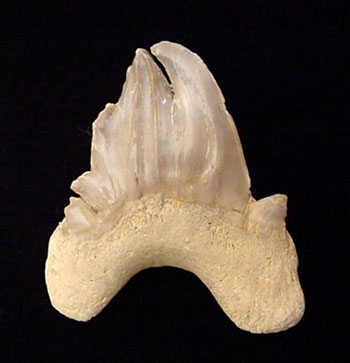
Collectors continue to search for fossils that tell unique stories. Megalodon teeth rank among the most famous fossils in the world. Their size and condition attract attention, but one category of tooth stands apart. Pathological megalodon teeth reveal far more than sharp enamel and serrated edges. They display deformities that formed during the shark’s lifetime. These irregularities offer insights into the struggles and resilience of one of the largest predators to have ever existed. When you search for a pathological megalodon tooth for sale, you step into a world where rarity, scientific significance, and collector fascination intersect.
Let’s explore more detailed information:
What Defines a Pathological Tooth?
A pathological tooth exhibits deformities that occurred during the shark’s lifetime. Trauma, disease, or irregular growth often produced these features. Collectors identify them by their unusual appearance. Unlike the perfect triangular form of most megalodon teeth, these specimens may twist, bend, or even fuse with another tooth. Each abnormality tells a survival story. Unlike modern damage, these traits formed naturally during the shark’s lifetime. This makes them highly desirable. Collectors value them because they carry distinctive patterns that reveal ancient challenges. Every pathological tooth offers a singular glimpse into prehistoric life.
The Life Story Behind Each Tooth
Pathological teeth allow collectors to imagine the life of the shark. Injuries from battles with prey, infections that altered enamel, or growth issues shaped the teeth in remarkable ways. These fossils show resilience rather than weakness. The shark continued to survive despite disruptions in tooth formation. Collectors admire these fossils because they preserve evidence of adaptation. Holding one feels different from having a perfect specimen. You hold a record of survival written in mineralized enamel. This quality transforms pathological teeth into more than fossils. They become living stories of endurance from a predator that dominated ancient oceans.
Why Do Collectors Consider Them Rare?
Scarcity drives collector interest. Megalodon teeth already command strong demand, but pathological examples appear far less often. The fossilization process required unique conditions for these teeth to survive. Out of countless teeth shed by megalodons, only a small number developed abnormalities. Fewer still fossilized and reached the market. Collectors who encounter a pathological megalodon tooth for sale recognize the significance immediately because it combines rarity with scientific importance. Each one represents a rare deviation from nature’s design. Unlike ordinary specimens, they provide both visual distinction and historical depth. The limited supply makes them prized pieces for anyone who values uncommon fossils.
How to Recognize Authentic Pathological Teeth?
Collectors must separate genuine pathology from modern damage. Authentic specimens exhibit natural deformities that align with biological growth patterns, such as twisted roots, fused crowns, or bent enamel, which signal actual pathology. Chips or breaks caused by mishandling do not qualify. Experienced collectors study enamel texture and coloration because fossilized mineralization reveals age that cannot be replicated. Provenance also plays a role. Teeth recovered from known fossil beds assure authenticity. Collectors who understand these markers avoid costly mistakes. They ensure that their acquisitions represent genuine prehistoric anomalies rather than damaged or altered fossils.
The Allure of Pathological Teeth
Collectors enjoy fossils that spark curiosity. Pathological teeth accomplish this effortlessly. Their irregular forms immediately draw attention when displayed. Visitors often ask how such shapes developed. Collectors respond with stories of injuries, infections, and resilience. The fossil becomes more than an artifact. It turns into a conversation piece that connects people to ancient oceans. This storytelling value adds meaning beyond market worth. Many collectors place pathological teeth at the center of their displays because they provoke wonder. Their visual differences transform them into captivating specimens that outshine standard examples in both intrigue and presence.
Market Value of Pathological Fossils
The market reflects demand and rarity. Pathological teeth command higher interest because they combine both qualities. Their shapes distinguish them from standard specimens. Their scarcity ensures collectors compete to obtain them. Many collectors who already own large or flawless teeth seek pathological examples to expand their collections. They treat them as highlights rather than additions. The market recognizes them as centerpiece fossils because of their scarcity and appeal. Collectors also view them as natural investments that will hold value over time. Their role as rare and scientifically meaningful specimens ensures steady demand among fossil buyers.
Comparing Pathological and Standard Teeth
Placing a pathological tooth beside a normal specimen highlights their differences. Standard megalodon teeth display symmetrical triangular shapes with serrated edges. Pathological examples break that pattern. They may twist, bend, or fuse in ways that defy expectations. These irregularities reduced the effectiveness of the shark but created fascination for modern collectors. The imperfections elevate the fossil’s uniqueness. Collectors value the contrast because it shows how nature does not always follow predictable paths. Displaying both types together demonstrates the extraordinary variety within megalodon fossils. It also reminds collectors of the unpredictability that shaped prehistoric life.
Scientific Importance Beyond Collecting
Pathological megalodon teeth serve more than aesthetic or monetary purposes. Paleontologists study them to learn about shark health, behavior, and biology. Abnormalities reveal evidence of injuries and diseases that affected the predator. Since shark skeletons rarely fossilize, teeth provide critical insight into their lives. Pathological examples expand that insight by recording unusual events. Researchers gain information about adaptation and resilience from each specimen. This makes pathological teeth valuable not only to collectors but also to science. Their contribution to research strengthens their significance, elevating them above ordinary fossils that reveal less about prehistoric conditions.
Caring for Pathological Teeth
Collectors protect pathological fossils carefully because they want to preserve them for future generations. Although fossilized, these teeth remain vulnerable to mishandling, moisture, or sudden temperature changes. Collectors often use display cases that control environmental conditions. Good lighting enhances their irregular features and highlights enamel patterns. Proper care ensures that the fossil maintains both its appearance and its value. When handled responsibly, these fossils endure for centuries as striking reminders of ancient oceans. Collectors respect them as treasures of natural history and ensure they remain intact as part of their lasting collections.
Final Thoughts
Collectors search for fossils that carry meaning, and pathological megalodon teeth deliver precisely that. Their abnormalities tell stories of resilience and adaptation. Their scarcity creates demand that extends far beyond casual interest. Their scientific importance enriches understanding of one of the ocean’s most powerful predators. A pathological megalodon tooth for sale represents more than a fossil. It means a rare chapter of history written in enamel. Collectors who seek them pursue not only value but also connection to the survival of a prehistoric predator that left behind one of nature’s most fascinating records.
Footnote
Pathological megalodon teeth record deformities from the life of the shark. Collectors treasure them for their rarity, while scientists value them for the biological and historical insights they provide.






