

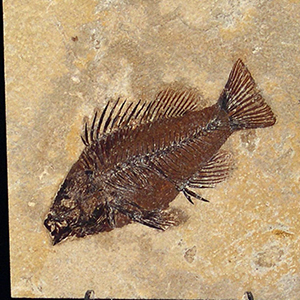
Fossil records are invaluable windows into Earth’s deep past, and among them, the Green River fish fossils stand out for their remarkable completeness and detail. Nestled within the sedimentary layers of the Green River Formation in Wyoming, these fossils offer scientists and collectors alike a pristine view of aquatic life from 50 million years ago. But what makes these fossils so significant? And can we truly call them the most complete fish record in history?
Let’s dive into what makes the Green River Formation an unparalleled source of fossilized fish—and why this ancient lakebed continues to captivate paleontologists worldwide.
What Is the Green River Formation?
The Green River Formation is a geologic treasure trove spanning parts of Wyoming, Utah, and Colorado. Dating back to the Eocene epoch, approximately 50 million years ago, this formation captures a period when the region was home to large, subtropical lakes teeming with life. Over time, layers of limestone and fine-grained sediment formed from lake mud, which settled and preserved the remains of fish and other organisms.
These sediments created near-perfect fossilization conditions—low oxygen levels, minimal scavenger activity, and very fine particles that covered carcasses quickly. This preservation process yielded not only complete skeletons but also delicate features like fins, scales, and sometimes even stomach contents.
Why Are Green River Fossils So Unique?
1. Exceptional Preservation
One of the defining features of Green River fossils is their quality. Fish from this region, such as Knightia eocaena, Diplomystus dentatus, Mioplosus labracoides, Priscacara serrata, and Phareodus, are often found with nearly every bone intact. The fine-grained limestone matrix surrounding the fossils helps preserve even the tiniest skeletal structures.
Specimens from the “18-inch layer” of the Green River Formation are particularly prized. This layer, known for its hardness and density, offers the most detailed and highly preserved fossils available. Preparing these specimens is painstaking and time-consuming, but the results speak for themselves—natural, unrepaired fossils with museum-quality detail.
2. Diversity of Species
The fossil record here is not just about one or two species—it tells the story of an entire ecosystem. From herring-like Knightia, to predatory Mioplosus, to the perch-like Priscacara, the variety captured in these deposits is extraordinary. This diversity allows scientists to better understand food chains, predator-prey relationships, and environmental conditions of the time.
In fact, Knightia is so prevalent and well-preserved that it’s considered one of the most commonly found fossil fish worldwide—and is even the state fossil of Wyoming.
3. Mass Mortality Plates
Another remarkable feature of the Green River Formation is the occurrence of mortality plates—stone slabs containing multiple fossilized fish that likely died in a single event. These groupings are believed to be the result of sudden changes in water conditions, such as algal blooms or volcanic gas releases. These plates not only offer aesthetic appeal to collectors but also vital scientific data about fish behavior and population dynamics.
How Do Green River Fish Fossils Compare to Other Fossil Records?
Fossil sites exist all over the world—such as Monte Bolca in Italy or the Santana Formation in Brazil—but few can match the sheer volume and quality of the Green River finds. Other formations might offer rare or exotic species, but they often lack the complete, intact preservation consistently found in Green River fish.
For example, in the Monte Bolca site, fish fossils are beautifully preserved but far less abundant. Meanwhile, the Green River Formation has yielded tens of thousands of specimens, many in natural, untouched condition, making it a go-to source for both scientific study and educational display.
It’s also rare to find a site that produces both quantity and quality. The Green River Formation offers both in abundance—especially from layers like the “split fish layer” and the aforementioned “18-inch layer.”
Scientific Importance of the Green River Fossils
Researchers studying green river fish fossils have been able to reconstruct entire food webs, identify extinct species, and even gain insight into the climatic and geological history of the Eocene epoch. The preservation is so fine that sometimes fossilized stomach contents can reveal the last meal of a fish, offering clues about their diet and role in the ecosystem.
In some cases, fossil specimens are found with larger predatory fish fossilized mid-hunt or while swallowing prey. This kind of snapshot is exceedingly rare in paleontology and gives Green River fossils a narrative quality—capturing moments frozen in time.
What Makes the “18-Inch Layer” So Special?
Not all Green River fossils are created equal. The "18-inch layer" in Lincoln County, Wyoming, is revered for its fossil preservation. Due to its density and difficulty to work with, this layer requires careful, expert-level preparation. However, the reward is some of the most immaculate fish fossils ever recovered.
Fossils from this layer are often framed and sold as museum-quality pieces. They retain fine details like fin rays, vertebrae alignment, and even subtle soft tissue impressions. Because of this, specimens from the 18-inch layer are among the most valuable and scientifically significant.
The Role of Commercial Fossil Sales
While scientific institutions benefit from the wealth of information these fossils provide, the Green River Formation has also become a key source for collectors. Companies like Buried Treasure Fossils offer specimens from both the 18-inch and split fish layers, making these extraordinary fossils accessible to enthusiasts worldwide.
The commercial availability has pros and cons. On one hand, it spreads awareness and appreciation for paleontology. On the other hand, it raises questions about fossil conservation and scientific access. Fortunately, many sellers now offer authenticity guarantees and collaborate with museums to ensure ethical sourcing and educational value.
The Most Complete Record?
So, are Green River fish fossils the most complete fish record in history?
From both a scientific and practical perspective, the answer is likely yes.
No other formation offers the same combination of:
● Volume of complete specimens
● Diversity of species
● Exceptional preservation quality
● Ecological context through mortality plates
● Accessibility for both research and public collection
This makes the Green River Formation an unrivaled snapshot of aquatic life during the Eocene epoch.
Why Green River Fossils Still Fascinate Us
In the world of paleontology, completeness is rare. Fossils are often fragmented, distorted, or partial. But the Green River fish fossils defy those odds, offering some of the best-preserved and most abundant fish specimens ever found. Whether you're a scientist piecing together ancient ecosystems or a collector admiring the artistry of natural history, these fossils hold undeniable appeal.
They don't just tell us about fish—they tell us about time, climate, death, survival, and the delicate balance of prehistoric ecosystems. And for that reason, they may just be the most complete fish record in history.






