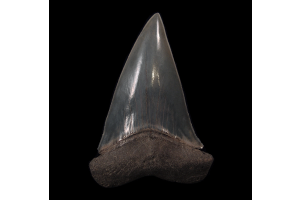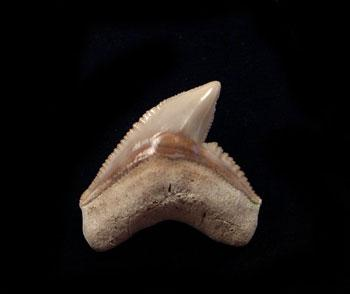
Fossil collecting begins with curiosity and quickly evolves into a lifelong passion. Many first-time collectors choose a tiger shark tooth because it delivers bold form, precise details, and strong fossil presence. The tooth connects the present to a distant time when the tiger shark ruled ancient seas. When you hold one in your hand, you feel the depth of its story. You do not just collect an object. You claim a piece of Earth’s raw memory. That moment becomes personal, rooted in both discovery and deep respect for the past.
Here is more detailed information:
Understand what makes tiger shark teeth special
Tiger shark teeth carry a powerful and unique shape. You notice their wide blade and heavy serrations immediately. These sharks used their teeth to slice through formidable prey with precision. The curved blade and jagged edge did not happen by accident. Nature shaped them for impact and survival. These features are still clearly visible in well-preserved fossils. Many collectors admire the balance between force and beauty. The teeth hold that memory. Their structure reveals the shark’s dual role as both predator and survivor in a dynamic, ancient ocean environment.
Study the features before you choose
You want to examine the blade and the root closely. Look for a sharp edge and a whole, solid root. These two parts give the tooth its shape and value. A clean blade with visible serrations indicates that the fossil formed well and was not significantly eroded. A complete root adds weight and helps the tooth sit evenly. Feel the edges. Run your fingers along the curves. The more detail you notice, the better you understand what you hold. Pay attention to symmetry, as a well-balanced tooth holds a stronger appeal.
Know where they come from
Tiger shark teeth often come from ancient coastal deposits and riverbeds. These locations once lay beneath ancient seas. Today, erosion, storms, and shifting land bring these teeth to the surface. People find them in layers of sandy soil or along freshwater streams. Each region shapes the tooth’s color and texture. Minerals from the surrounding soil often give fossil teeth shades of grey, brown, or black. Sometimes, you even find hints of blue or copper tones. These natural colors reveal the Earth that protected and preserved the tooth.
Condition shows you the real story
Size attracts many first-time buyers, but condition is more critical. A smaller tooth with full serrations and a complete root shows better fossil preservation than a larger, worn specimen. You want a clear, unpolished texture. The surface should show natural age. Avoid any teeth that look too smooth or unnaturally glossy. That surface often means someone altered it. Trust teeth with minor chips or color shifts. These traits usually reflect a natural aging process. You should read those signs, not ignore them. They help you connect to the fossil’s real timeline.
Focus on fossils with honest detail
Natural fossils speak for themselves. You do not need shine or extra treatment to recognize a strong piece. Real fossils hold texture. They carry patterns formed by the accumulation of minerals and the passage of time. These marks add depth, not flaws. You should expect a slight unevenness. That shows the tooth aged on its terms. Clean, untouched teeth stand out more than polished ones. Your fossil should show the story of its journey, not the effect of tools or tampering. Let the tooth remain true to its natural shape.
Choose authenticity over appearance
Many new buyers fall for teeth that look flawless. But in fossils, perfection often means loss of origin. When someone adds polish or reshapes the edges, the tooth may lose its natural character. Authentic pieces may show slight imperfections, but those marks give the tooth identity. You want signs of real time, not artificial treatment. Shape and detail matter more than shine. You should feel confident when you spot natural wear, balanced form, and age lines. These parts demonstrate that your fossil has a genuine and unaltered past.
Handle the tooth and feel the difference
Once you hold a genuine fossil, you understand its weight and density. The texture feels calm and firm. The blade edge may feel rough due to age, but it still retains the original serrations. When you run your fingers along a tiger shark tooth, you feel that distinct curve and sharpness shaped by nature’s precision. You notice the contrast between the sharp blade and the thick root. These features tell you the tooth belonged to a living, breathing animal that survived by force. The more you feel, the more you trust your senses. Every fossil teaches your hands what to expect from the next.
Take care when storing your fossil
You protect fossils by storing them with care. Use a padded case or a clear box to shield the tooth from dust and moisture. Avoid placing it in direct sunlight, since natural heat can dry out or fade its color. Select a dry, well-ventilated area with stable air circulation. Humidity can cause long-term damage to fossil surfaces. Do not place it on hard shelves without support. The root and blade can chip if dropped. If you value the fossil, treat it with the same care as a fragile memory from another age. It deserves protection.
Why does this tooth fit your first purchase?
Tiger shark teeth provide beginners with an accessible and rewarding starting point. They appear in many fossil-rich regions, but not all carry strong conditions or structure. When you find a well-formed specimen, you start with a real connection to time and nature. These teeth show power, shape, and survival. They cost less than some larger species but deliver strong character and presence. This balance makes them ideal for those who want to learn, feel, and build trust in their collecting skills. You gain experience without risk or confusion.
Avoid mistakes that many first-time buyers make
Never rush your choice. Take time to examine the tooth’s form, edge detail, and root thickness. Ask yourself if it feels right in your hand. Avoid any teeth with signs of glue or heavy surface polish. Watch for perfect symmetry, which often points to artificial shaping. Do not chase price or size too early. A medium-sized tooth with clear age and structure will serve your collection better. Once you start trusting your eyes and hands, you make stronger choices. You build knowledge through honest observation, not sales pitch promises.
Final Thoughts
If you want to start fossil collecting with confidence, choose a tooth with honest condition, solid form, and natural texture. Let the tooth guide you with its story and structure. Do not treat it like decoration. Respect it as a link to a world that no longer exists. When you look through tiger shark teeth for sale, stay focused on quality and truth. This journey depends on what you feel, see, and understand. Start slow, look close, and collect with care. Every real fossil rewards patience and respect.
Footnote
A fossil does not just show time. It holds it. Choose with care and let history rest in your hands without noise or distraction.