

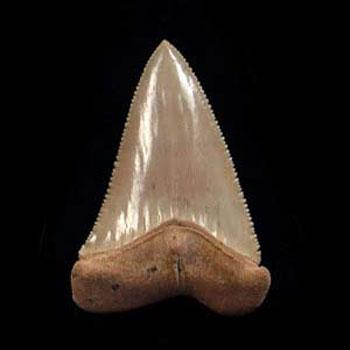
When we think about the story of life on Earth, the oceans often seem like an endless, mysterious blue expanse, a place where countless creatures have thrived, vanished, and evolved over millions of years.
Among the most fascinating chapters in this grand saga is the history of whales, colossal marine mammals whose fossil record unlocks secrets far beyond their massive bodies. Whale fossils are not just relics of giant creatures lost to time; they are pivotal clues that help scientists piece together the intricate puzzle of marine biodiversity history.
Understanding these fossils of whale tooth for sale offers a window into the evolutionary pathways that shaped the ocean’s ecosystems and highlights the dynamic nature of life beneath the waves.
Whale Fossils: A Unique Record of Evolutionary Innovation
Whales represent one of the most extraordinary evolutionary journeys in the natural world. Their fossils provide a rare and detailed record of how mammals transitioned from terrestrial life to fully aquatic existence. Around 50 million years ago, early ancestors of whales, such as Pakicetus and Ambulocetus, lived in coastal environments and exhibited a blend of land and aquatic traits.
These fossils display the gradual adaptations that allowed whales to conquer the ocean, limb modifications for swimming, nostrils migrating to the top of the head for breathing at the surface, and changes in ear bones for underwater hearing.
Studying these fossils gives us a vivid timeline of evolutionary innovation. This transition is a cornerstone for understanding marine biodiversity because it exemplifies how species adapt to new habitats, opening up niches that can dramatically alter ecosystem structure.
Windows into Past Marine Ecosystems
Whale fossils do more than chart evolutionary history; they serve as indicators of past marine ecosystems and their biodiversity. The variation in whale species found in the fossil record reflects the diversity of ancient ocean habitats, prey availability, and climatic conditions.
By examining fossilized teeth, skulls, and bones, paleontologists can infer the feeding habits and ecological roles of extinct whales. Some were filter feeders similar to modern baleen whales, while others were formidable hunters with large teeth adapted for catching fish and squid.
Furthermore, whale tooth for sale help reconstruct ancient marine environments. Changes in whale species composition often correlate with global environmental shifts, such as ocean cooling, sea level fluctuations, or alterations in ocean currents. Thus, these fossils are critical tools for understanding how marine biodiversity has responded to past climate events, helping predict future ecological trends.
The Broader Impact of Whales on Marine Biodiversity
Whales are keystone species within marine ecosystems, both today and in the past. Their fossils provide evidence that their influence on marine biodiversity extends beyond their physical presence. For instance, the abundance of whale bones found in sediment layers is a marker of past marine productivity, indicating regions where ecosystems were rich and complex.
Modern whales contribute to nutrient cycling by transporting nutrients from the deep ocean to surface waters, promoting plankton growth and supporting food chains. Fossil evidence suggests that prehistoric whales played similar roles. Understanding these past roles helps scientists appreciate how whales have shaped the biodiversity and health of marine ecosystems over millions of years.
Informing Conservation through the Fossil Record
Whale fossils not only enhance our knowledge of the past—they are invaluable for informing modern conservation biology. The fossil record shows us how marine mammals and other ocean life have historically responded to environmental stressors like climate change and habitat shifts. This long-term perspective is essential for predicting how contemporary whale populations might cope with ongoing challenges such as global warming, ocean acidification, and human impacts.
Past extinction events captured in the fossil record reveal patterns of vulnerability, helping identify traits that make certain species more at risk. Understanding these patterns guides conservation strategies aimed at protecting not only whales but entire marine ecosystems. Moreover, fossil evidence emphasizes the importance of preserving diverse marine habitats that have supported whales for millions of years.
By recognizing that whale populations once adapted to different oceanic conditions, conservationists can better anticipate how current climate trends might affect marine biodiversity. This knowledge is crucial for developing sustainable management plans that balance ecological health with human activities.
Discovering Extinct Whale Species and Expanding Biodiversity Knowledge
The study of whale fossils unveils an array of extinct species that broaden our understanding of marine biodiversity far beyond what we see today. Many ancient whales had unique anatomical features and ecological roles no longer represented among living species. For example, some prehistoric whales had enormous teeth suited for hunting large prey, while others exhibited unusual body forms adapted to specialized lifestyles.
Documenting these extinct species enriches our evolutionary perspective, showing how diverse marine mammal lineages have been through time. These findings clarify relationships among species and highlight how environmental pressures have shaped the evolutionary trajectories of marine life. Without fossil records, countless species and evolutionary pathways would remain hidden, leaving gaps in our knowledge of marine biodiversity history.
Whale Fossils as Cultural and Scientific Catalysts
Whale fossils inspire more than scientific discovery; they capture the public imagination and foster a deeper appreciation for the ocean’s ancient past. Museums and educational institutions showcasing these fossils help connect people to the remarkable story of evolution and biodiversity in the marine realm.
These fossils also underscore the importance of scientific research and conservation. They serve as tangible reminders of the ocean’s dynamic history and the fragile balance that sustains marine life today. The fascination with whales and their prehistoric ancestors encourages public support for protecting marine environments and investing in further paleontological exploration.
Conclusion: Marine Biodiversity’s Past and Future
Whale fossils are indispensable keys to unlocking the history of marine biodiversity. They reveal the remarkable evolutionary transition of whales from land to sea, illustrate the diversity of past marine ecosystems, and illuminate the ecological roles that have influenced ocean life over millions of years. These whale tooth for sale provide critical insights into how marine biodiversity has evolved in response to environmental changes and help us understand the resilience and fragility of ocean ecosystems.
Whale fossils connect us to the ancient seas, enriching our knowledge and inspiring stewardship to ensure the health of marine biodiversity for generations to come.
Explore our marine fossil collection because preserving today’s marine biodiversity depends on appreciating its ancient roots. Share this knowledge with your community, participate in local ocean cleanups, or support organizations working to protect marine habitats and wildlife.






