Page 6 - Gary Greaser
- - December 07, 2025
If you're knee-deep in the deep-sea chaos of ARK: Survival Evolved, you're no stranger to rare resources, unpredictable creatures, and the thrill of taming prehistoric legends. But what about something a little… toothier?
Somewhere in the dark waters of the ARK map lurks an apex predator that’s more myth than reality for most players. The Megalodon is more than a marine nightmare—it’s a gateway to one of the more obscure trophies in the game. If you’ve ever scrolled past a mysterious “megalodon tooth ark” item in your inventory or crafting menus, you're not alone in your curiosity. So, what exactly is it, and why does it matter?
Let’s sink our teeth into it.
What Is the Megalodon Tooth Used For?
The Megalodon Tooth is more than a souvenir from your latest aquatic brawl. It’s a trophy item used as a tribute in certain boss fights. In particular, it’s a requirement for summoning the Broodmother Lysrix at the Obelisk, one of ARK’s earliest and most iconic boss encounters.
Each difficulty
- - December 07, 2025
Fossil discoveries can spark excitement, but few finds excite scientists and collectors like a Megalodon tooth. Recently, Chile became the center of attention with a discovery that could be the world’s biggest Megalodon tooth ever found. This find is not only remarkable for its size but also for what it reveals about one of the oceans’ most powerful prehistoric predators.world’s biggest Megalodon tooth
The Discovery That Shook Paleontology
In Chile’s coastal regions, a team of geologists and paleontologists uncovered a massive fossil. Measuring enormous dimensions, this tooth might be the world’s biggest Megalodon tooth discovered to date. Experts say its size points to the incredible power and scale of the Megalodon.
This find is a bridge to the past, showing us how enormous these predators were. Chile’s unique geological history, with its tectonic shifts and coastal erosion, makes it a hotspot for fossil hunters. Every layer of sediment tells a story, and this discovery adds a dramatic
- - December 07, 2025
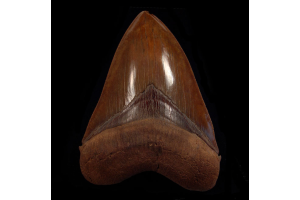
In the coastal regions of North Carolina, certain Megalodon teeth hold an extraordinary distinction. These fossils appear in a vibrant copper-red hue that sets them apart from the typical black or gray shark teeth found in other parts of the world. Each red specimen tells a unique geological story about minerals, sediment, and time.
The coloration seen in these fossils is not artificial but a result of natural processes that unfolded over millions of years. Among the rarest examples, a megalodon tooth from North Carolina captures this striking transformation through its deep red tone and exceptional preservation.
The Unique Discovery of Red Megalodon Teeth
Megalodon teeth are among the most recognized fossils globally, but the copper-red specimens from North Carolina are scarce. They have been discovered in fossil layers such as the Miocene Pungo River Formation and the Pliocene Yorktown Formation. The Meherrin River area, in particular, is noted for producing these remarkable fossils,
- - December 07, 2025
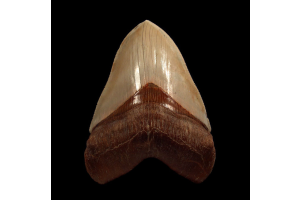
At our fossil collection, we take pride in offering specimens that capture the timeless beauty of Earth’s ancient past. Among them, the Otodus megalodon from Indonesia holds a special place. These remarkable fossils have fascinated us with their exceptional preservation, color, and structure.
Each specimen allows us to glimpse into a prehistoric world where colossal predators once ruled the oceans. Their natural artistry and geological perfection make them among the most captivating fossils we offer.
Geological Origin and Preservation
The story of Indonesian Otodus megalodon teeth begins deep within the limestone formations of West Java. These fossils are often recovered from the Bentang Formation, a geological layer that dates to the Middle Miocene epoch, around 10 to 15 million years ago. Within this limestone, the teeth have remained protected for millions of years, allowing them to retain their detailed structure and natural sheen.
Because these fossils were buried under stable
- - December 07, 2025
Millions of years ago, a colossal shark ruled the oceans—a creature so massive that its bite could crush whales with ease. Within the first 60 words, we must highlight the wonder of prehistoric relics like an authentic megalodon tooth, a fossil that connects us directly to the ancient seas. Today, holding such a specimen in your hand is like holding time itself—a relic that once belonged to the greatest marine predator Earth has ever known.
The Legend of the Giant Shark
The Megalodon, whose name means “big tooth,” was an apex predator that dominated the oceans roughly 23 to 3.6 million years ago during the Miocene and Pliocene epochs. This prehistoric shark could reach up to 60 feet in length—twice as long as the largest great white shark living today. According to scientific estimates, its biting force was more than 40,000 pounds per square inch, making it the strongest biter in animal history.
What fascinates collectors and paleontology enthusiasts is that the Megalodon’s reign left
- - December 07, 2025
Oceans of the past were home to giants, and one of the best ways to understand them is through fossils. A baby megalodon tooth might be small, but it holds big clues about the early life of the largest predator in history. These tiny teeth can reveal how young sharks grew, what they ate, and how they survived in dangerous waters.
By studying a baby megalodon tooth, scientists can piece together the life story of a juvenile megalodon. Each fossil gives insights into ocean ecosystems millions of years ago. Even a small tooth is a window into a world that existed long before humans walked the earth.
Tiny Teeth, Big Clues
Even though a baby megalodon tooth is small, it carries important information. The shape, size, and serrations can tell scientists how young sharks hunted and what kind of prey they preferred.
Juvenile megalodons had to be smart hunters to survive. Studying a baby megalodon tooth helps researchers understand how these sharks avoided larger predators and thrived in a
- - December 07, 2025
These ancient fossil deposits include megalodon tooth ledges that mark the very zones where megalodon activity once concentrated. These ancient formations mark the very zones where megalodon activity once concentrated. For fossil hunters, understanding what these ledges are and how they form leads to more successful discoveries. Instead of chasing isolated finds, collectors can follow patterns laid down by prehistoric behavior and geology. These ledges offer structure, consistency and context that scattered beach finds cannot provide. Knowing how to identify, study and explore these areas brings real results for those searching for megalodon teeth.
Many fossil hunters begin with excitement but quickly realize that scattered finds often offer no lasting success. Without a clear understanding of the signs to follow, time and energy are wasted. Tooth ledges provide an answer. These formations show where megalodons fed, moved, or lingered. Over time, their teeth settled in one place, and
- - December 07, 2025
Long before humans roamed the Earth, the oceans were ruled by a predator so powerful that even whales trembled in its presence. Deep beneath layers of sediment and time, fossilized remains whisper stories of this ancient giant—the mighty Megalodon. Among these relics, the largest megalodon tooth ever discovered continues to awe scientists and collectors alike, serving as both a symbol of raw prehistoric power and a window into ancient ocean life. At Buried Treasure Fossils, we’re proud to bring such discoveries closer to those who share our fascination for the mysteries locked in stone.
Unearthing the Giant of the Deep
When paleontologists and fossil hunters talk about legendary finds, few discoveries match the thrill of unearthing a Megalodon tooth. Measuring over 7 inches, the largest megalodon tooth ever discovered is more than just a fossil—it’s a record of one of the ocean’s most fearsome predators. For comparison, that’s roughly three times the length of a modern Great White
- - December 07, 2025
At our fossil collection company, we take immense pride in presenting some of the most remarkable pieces of natural history, and among them, megalodon teeth continue to hold a special place. As collectors, researchers, and enthusiasts, we have seen how these extraordinary fossils captivate people worldwide. The fascination lies not only in their enormous size and rarity but also in the incredible history each tooth carries.
Over the years, megalodon teeth have become more than collectible fossils; they are tangible connections to one of the ocean’s most dominant predators and a symbol of prehistoric power and beauty. Understanding the value of megalodon tooth adds depth to this fascination, as it reflects both the rarity and historical significance of these ancient relics.
A Window into Prehistoric Power
Megalodon teeth provide a direct connection to an ancient world dominated by a giant shark that once ruled the seas. These fossils are physical reminders of a species that inspired awe
- - December 07, 2025
Have you ever imagined holding a real piece of ancient history in your hands? A fossil that tells the story of a time when giant sharks ruled the ocean? The Carcharocles megalodon fossil is one of those rare pieces that brings that story to life. This special tooth connects us to a time when the ocean was full of mystery and power. Every detail in this fossil shows how nature creates beauty that lasts for millions of years.
Collectors and fossil lovers often look for something that stands out, something that tells a story. This fossil does exactly that. It comes from a Caribbean limestone quarry and is one of the rarest finds in the world. Its creamy color, sharp edges, and perfect enamel make it a true treasure. Let’s explore what makes this fossil so special and why it deserves a place in any serious collection.
A Look at a Rare Treasure
This fossil is not just another tooth. It is a piece of natural art. The Carcharocles megalodon fossil measures about 5-¾ inches and shows an amazing