Page 33 - Blog
- - December 07, 2025
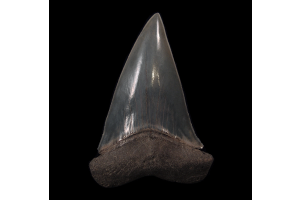
Collectors who search for a pathological megalodon tooth for sale are not after just another shark fossil. They want something different. Something with a story. A pathological tooth offers that. It comes with naturally formed irregularities that reflect stress, trauma, or abnormalities the shark experienced during its life. That is what separates these fossils from the rest. They are real, they are rare, and they are uniquely shaped by nature itself.
While some sellers misuse the term “megalodon," the truth is clear. The fossils available through this site come from Otodus obliquus, a powerful ancestor of the megalodon. These teeth originate from well-known Moroccan phosphate deposits that yield exceptional and verifiable pathological specimens. Buyers seeking authenticity and distinction often turn to these exact pieces for their fossil collections.
Understanding What Makes These Teeth Pathological
A fossil tooth earns the label "pathological" when its shape shows signs of abnormal
- - December 07, 2025
Have you ever imagined holding a real piece of ancient history in your hands? A fossil that tells the story of a time when giant sharks ruled the ocean? The Carcharocles megalodon fossil is one of those rare pieces that brings that story to life. This special tooth connects us to a time when the ocean was full of mystery and power. Every detail in this fossil shows how nature creates beauty that lasts for millions of years.
Collectors and fossil lovers often look for something that stands out, something that tells a story. This fossil does exactly that. It comes from a Caribbean limestone quarry and is one of the rarest finds in the world. Its creamy color, sharp edges, and perfect enamel make it a true treasure. Let’s explore what makes this fossil so special and why it deserves a place in any serious collection.
A Look at a Rare Treasure
This fossil is not just another tooth. It is a piece of natural art. The Carcharocles megalodon fossil measures about 5-¾ inches and shows an amazing
- - December 07, 2025
Oceans of the past were home to giants, and one of the best ways to understand them is through fossils. A baby megalodon tooth might be small, but it holds big clues about the early life of the largest predator in history. These tiny teeth can reveal how young sharks grew, what they ate, and how they survived in dangerous waters.
By studying a baby megalodon tooth, scientists can piece together the life story of a juvenile megalodon. Each fossil gives insights into ocean ecosystems millions of years ago. Even a small tooth is a window into a world that existed long before humans walked the earth.
Tiny Teeth, Big Clues
Even though a baby megalodon tooth is small, it carries important information. The shape, size, and serrations can tell scientists how young sharks hunted and what kind of prey they preferred.
Juvenile megalodons had to be smart hunters to survive. Studying a baby megalodon tooth helps researchers understand how these sharks avoided larger predators and thrived in a
- - December 07, 2025
In the coastal regions of North Carolina, certain Megalodon teeth hold an extraordinary distinction. These fossils appear in a vibrant copper-red hue that sets them apart from the typical black or gray shark teeth found in other parts of the world. Each red specimen tells a unique geological story about minerals, sediment, and time.
The coloration seen in these fossils is not artificial but a result of natural processes that unfolded over millions of years. Among the rarest examples, a megalodon tooth from North Carolina captures this striking transformation through its deep red tone and exceptional preservation.
The Unique Discovery of Red Megalodon Teeth
Megalodon teeth are among the most recognized fossils globally, but the copper-red specimens from North Carolina are scarce. They have been discovered in fossil layers such as the Miocene Pungo River Formation and the Pliocene Yorktown Formation. The Meherrin River area, in particular, is noted for producing these remarkable fossils,
- - December 07, 2025
It’s hard to imagine a creature so massive that it could bite a whale in half—but millions of years ago, the Megalodon shark ruled Earth’s oceans with unmatched power. Today, holding a 7 inch Megalodon tooth for sale feels like holding a tangible link to that prehistoric world, transforming what was once a weapon of the deep into a priceless tool for education and discovery. These incredible fossils, now available to collectors and educators alike, spark curiosity about marine ecosystems, evolution, and the story of life on Earth.
The Ocean Giant That Once Ruled the Seas
Before it became an iconic fossil, the Megalodon was the apex predator of the Miocene and Pliocene epochs—roughly 23 to 3.6 million years ago. Reaching lengths up to 60 feet, this colossal shark could weigh over 70 tons. Its name, Megalodon, literally means “big tooth,” and for good reason: some teeth exceed seven inches in length.
Each tooth reveals how this shark lived and hunted. With serrated edges and a triangular
- - December 07, 2025
Megalodon tooth fossils continue to fascinate collectors, marine enthusiasts, and paleontology fans. Known for their size, triangular form, and prehistoric value, they remain highly desirable. But with increased demand comes a rise in replicas, restorations, and altered specimens. We’ve observed how challenging it can be for buyers to distinguish genuine fossils from imitations, especially when purchasing online or at fossil markets. If you're uncertain about how to verify authenticity, learning the key identifiers is essential. This guide will help you confidently assess a megalodon tooth fossil and make informed decisions when building or expanding your collection.
Why It’s Important to Spot the Real Thing
Identifying a genuine megalodon tooth fossil goes beyond simply avoiding a fake. It’s about understanding the history, science, and craftsmanship involved in preserving a piece of natural history. Authentic teeth not only hold financial value but also offer clues about the prehistoric
- - December 07, 2025
Fossil discoveries can spark excitement, but few finds excite scientists and collectors like a Megalodon tooth. Recently, Chile became the center of attention with a discovery that could be the world’s biggest Megalodon tooth ever found. This find is not only remarkable for its size but also for what it reveals about one of the oceans’ most powerful prehistoric predators.world’s biggest Megalodon tooth
The Discovery That Shook Paleontology
In Chile’s coastal regions, a team of geologists and paleontologists uncovered a massive fossil. Measuring enormous dimensions, this tooth might be the world’s biggest Megalodon tooth discovered to date. Experts say its size points to the incredible power and scale of the Megalodon.
This find is a bridge to the past, showing us how enormous these predators were. Chile’s unique geological history, with its tectonic shifts and coastal erosion, makes it a hotspot for fossil hunters. Every layer of sediment tells a story, and this discovery adds a dramatic
- - December 07, 2025
Children are naturally drawn to mystery, adventure, and discovery. Whether they’re digging in the backyard or collecting seashells at the beach, curiosity drives them to ask questions about the world around them. Introducing them to a megalodon tooth fossil can transform that curiosity into a lasting passion for science, history, and exploration. At Buried Treasure Fossils, we’ve seen firsthand how a single fossil can ignite a spark that lasts a lifetime.
A Window into Prehistoric Wonders
For most kids, science becomes fascinating when it feels real—when they can touch, hold, and imagine the story behind an object. That’s where fossils come in. A megalodon tooth fossil isn’t just a relic from millions of years ago; it’s a tangible connection to the Earth’s distant past. This ancient shark tooth, once belonging to the largest predator that ever lived, can inspire young minds to think about evolution, adaptation, and life beneath prehistoric oceans.
Imagine a child holding a tooth larger
- - December 07, 2025
Imagine the deep blue stretching endlessly beneath you—a silent world, dark and unknowable. For millions of years, the ocean has kept secrets, and one of its most fascinating is the legend of the ancient giant shark that once ruled its depths: the Carcharocles megalodon. The thought of this colossal predator sparks both awe and curiosity. Could such a creature have truly disappeared forever, or do echoes of its existence still ripple through the waters?
This question has inspired scientists, fossil hunters, and ocean lovers alike to explore what remains of a species that once dominated Earth’s seas. From its jaw-dropping size to its mysterious extinction, the megalodon continues to capture the imagination of anyone drawn to the marvels of prehistoric life.
A Giant Beyond Comparison
If you think modern sharks are impressive, imagine a predator reaching up to sixty feet long—larger than most school buses. The Carcharocles megalodon was not only immense but remarkably efficient, equipped
- - December 07, 2025
At our fossil collection, we take pride in offering specimens that capture the timeless beauty of Earth’s ancient past. Among them, the Otodus megalodon from Indonesia holds a special place. These remarkable fossils have fascinated us with their exceptional preservation, color, and structure.
Each specimen allows us to glimpse into a prehistoric world where colossal predators once ruled the oceans. Their natural artistry and geological perfection make them among the most captivating fossils we offer.
Geological Origin and Preservation
The story of Indonesian Otodus megalodon teeth begins deep within the limestone formations of West Java. These fossils are often recovered from the Bentang Formation, a geological layer that dates to the Middle Miocene epoch, around 10 to 15 million years ago. Within this limestone, the teeth have remained protected for millions of years, allowing them to retain their detailed structure and natural sheen.
Because these fossils were buried under stable