Collectors, fossil enthusiasts, and first-time buyers often share a common concern. They want to know whether they own something authentic or simply a replica that only looks real. That worry makes sense. A megalodon tooth carries more than visual impact. It holds age, weight, and scientific value. You do not need to guess. With a few checks and informed steps, you can confirm if the fossil in your hand belongs to the prehistoric predator or came from a mold. Let’s walk through the signs together.
Let the Weight of a Megalodon Tooth Guide You
Hold the tooth. Feel its density. Real Megalodon teeth developed millions of years ago during the Miocene and Pliocene periods. Over time, mineralization replaced the original biological structure. This process gave the tooth weight and toughness. Fake teeth usually feel lighter in comparison because they are made from resin or plastic-based molds. If your fossil appears large but feels oddly hollow or soft, trust your instincts. You can also compare it to a known specimen from a verified seller or collector’s gallery.
Read the Enamel for the Truth
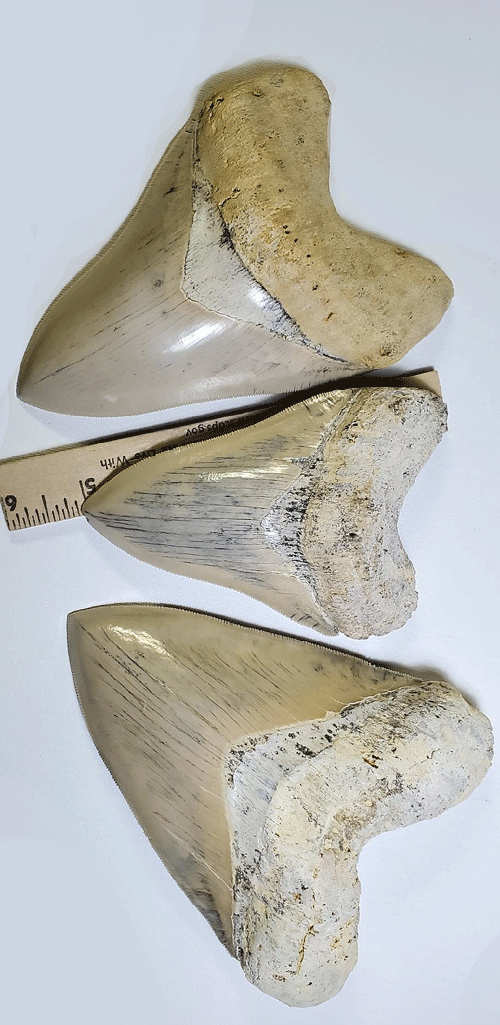
The enamel of a fossilized tooth shows signs of age if it comes from a genuine source. You may see fine cracks, subtle pitting, or natural texture across the surface. These marks appear over centuries, buried in marine sediment. Fakes miss this detail. They often exhibit a too-smooth, glassy appearance intended to impress at first glance. If your enamel lacks depth or feels slick and flawless, question it. Nature does not polish fossils. Authentic enamel reflects history, not shine.
Inspect Serrations Without Rushing
A Megalodon used its serrated teeth to cut through thick flesh and bone. Over time, those serrations wore down or broke in specific ways. On a genuine tooth, you might notice irregular spacing, missing notches, or one side more worn than the other. That is normal. Fake teeth tend to display perfect, factory-like edges. Molded replicas often copy one side and mirror it, creating a level of symmetry that feels off. Look for wear, not precision.
Flip the Tooth and Study the Root
The underside of a Megalodon tooth often reveals more than the crown. Real roots look porous, textured, and weathered. You might see sediment lines, tiny erosion spots, or even traces of marine burrowers. Replicas usually miss these features. Many fake roots look too smooth or uniform in color and structure. Always inspect the root in natural light. It should not match the enamel in tone or surface finish. That contrast between crown and root usually confirms authenticity.
Spot Color Variations From Mineral Exposure
Color tells a story. Real teeth take on shades from the soil and sediment in which they remained buried for millions of years. Black, grey, tan, or brown tones may show up in a single specimen, often blending naturally across the surface. Fakes usually rely on artificial dye or surface paint to create color. If your tooth displays a flat, even color without a natural transition, treat that as a red flag. Depth in color comes from time, not a spray can.
Use the Bourlette to Check Texture
Just above the root and below the crown, you will find the bourlette. This dark triangular patch holds critical texture. A genuine bourlette feels fibrous or sandy, sometimes with a slightly grooved or mottled texture. Fake teeth either gloss over this detail or paint it in without structure. When you run your finger over the bourlette, expect resistance and variation. That touch-based check gives you instant clarity. If the bourlette feels slick or overly polished, take a closer look.
Watch for Restoration Signs That Hide the Truth
Sometimes, sellers piece together broken fossil fragments to create a complete specimen. These composites may include real material, but do not count as whole fossils. Watch for signs of restoration such as uneven color, visible glue lines, or sudden texture shifts across the surface. A well-restored piece may still carry value, but you should know what you hold.
Here are some common restoration red flags to look for:
● Uneven tone between the root and the crown.
● Thin seams that appear along the edge or back of the tooth.
● Small patches that seem too smooth or filled in.
● Slight mismatch in curvature between sections.
Ask questions. Sellers should clearly state whether a fossil has been restored or altered. Your investment deserves complete transparency.
Recognize Over-Polishing as a Visual Trap
Polishing makes a fossil look attractive at first glance, but it removes vital features. Sellers may polish away surface cracks, worn serrations, or mineral marks to make the tooth look perfect. Unfortunately, that polish hides everything that proves authenticity.
To avoid falling for polished traps, look for the following:
● Serrations that feel dull or completely absent.
● Enamel that reflects like glass, rather than showing a matte texture.
● Tooth surfaces with no visible cracks or imperfections.
● A shine that feels unnatural or overly uniform.
Choose fossils that show wear and a natural finish. That dull look may not catch your eye, but it preserves the fossil’s story.
Let Imperfections Confirm the Origin
No two Megalodon teeth look identical. Real teeth often show a lean to one side, a chipped edge, or slight asymmetry. That natural difference proves that the fossil grew in a living animal and not from a silicone mold. Fake teeth often follow a symmetrical pattern, with balanced sides and matching angles. If your tooth appears flawless or too even, question its origin. Nature does not work in perfect symmetry, and neither should your fossil.
Ask the Right Questions Before You Buy
Before making a purchase, gather the facts. Ask where the seller found the specimen. Request high-resolution photos of the enamel, serrations, bourlette, and root. Ask whether the tooth received any restoration or polishing. Reputable sellers will welcome these questions. They expect informed buyers and provide documentation or origin stories when asked. The more you learn before making a purchase, the more confident you will feel afterward.
Final Thoughts
You don’t need expert credentials to identify a real fossil. You need sharp eyes, patience, and explicit knowledge. From weight to texture to enamel detail, every part of a megalodon tooth tells its story. Read that story with care. If you find the marks of time and life on the surface, you likely hold something rare and powerful. Stay cautious, ask questions, and let every imperfection confirm the reality you hope for. You deserve the pride of owning something true.
Footnote
Authentic Megalodon teeth reflect their age, depth, and origin. Learn how to read those signs, confirm your fossil’s story, and step into the world of genuine prehistoric collecting with confidence.