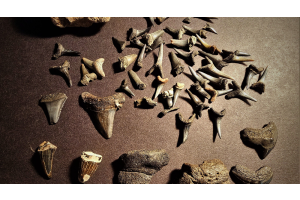
Collectors often start with curiosity but stay for the thrill of owning something scarce. Megalodon teeth attract attention because of their size and prehistoric power. But only a few earn the title that truly matters. These rare finds, known as an alpha megalodon tooth, bring more than size to the table. They carry unique traits that separate them from common fossils. If you want to invest in rare fossils or enhance your collection, you need to know how to distinguish them before making a decision.
Start With Proven Alpha Megalodon Tooth Size
Begin with size, the simplest trait to measure. When a Megalodon tooth crosses the 5-inch mark, it earns attention. When it approaches or surpasses 6 inches, you might have something special in hand. But large teeth appear often. You need more than size. Alpha-grade teeth also show width, thickness, and a strong crown structure. Pay attention to the root. An actual Alpha tooth comes with a thick, stable root that supports the size of the crown. Without that strength, even the most prominent teeth lose their investment value.
Learn to Identify Front Jaw Position
You can spot front jaw teeth by their shape. These teeth look broad and triangular. Sharks used them for deep, powerful bites. The front section of the upper jaw held the most valuable and most prominent teeth. Those are the ones serious collectors focus on. They look symmetrical from every angle and stand upright without tilting. Rear-jaw teeth often appear narrower and less balanced. If you want investment-grade fossils, always choose teeth from the front jaw. That position increases rarity, symmetry, and overall appeal.
Use Symmetry to Confirm Rarity
Symmetry matters more than people think. A balanced tooth indicates that nature did its job well and that fossilization preserved it. Study both edges of the blade. If they look even and mirror each other, you are on the right track. Check the root lobes and crown shape. A tooth that sits upright and holds its form without help often meets the symmetry standard. This quality is evident during display and instantly appeals to collectors who seek balance and perfection.
Serrations Prove the Tooth’s Sharp Past
Megalodon teeth originally came with razor-like serrations. Time, pressure, and erosion remove these fine details. But alpha-grade fossils keep them. You should see serrated edges that run from the shoulder to the very tip. These ridges appear sharp and well-spaced. If you feel rough edges when you run your finger gently along the blade, that is a good sign. Smooth or dull edges indicate excessive wear. That lowers both the value and the authenticity of what should be a rare find.
Look for Tight and Smooth Enamel
Surface condition reveals a great deal about preservation. Alpha specimens show enamel that looks smooth and intact. That shine you see across the blade tells you the fossil stayed protected. You should not see chalky patches or deep cracks. Natural wear may occur, but the core enamel must remain intact. That helps the tooth keep its original shape and value. Deep chips, breaks, or erosion around the root typically indicate that the fossil does not meet alpha-grade expectations. Stick with clean, unbroken enamel for top results.
Know What Color Really Means
The color of the fossil varies based on the minerals that entered the tooth during fossilization. Some collectors prefer black, brown, or even blue-gray. No color tells the whole story by itself. But the bold contrast between the crown and the root makes a fossil stand out. Unique color does not make a tooth Alpha, but it adds character and depth when combined with the right traits. Stay focused on physical quality first. Let color enhance an excellent specimen, not carry one that lacks other core features.
Avoid Misleading Labels
The fossil market often uses terms like “rare” or “alpha” without providing objective evidence to support these designations. Sellers attempt to create a sense of urgency or raise prices without providing verified facts. You must stay alert. Ask for the tooth’s exact measurements. Study close-up photos. Check the root, the enamel, and the serrations. If anything looks off, walk away. You need more than size. Every actual alpha megalodon tooth meets a complete checklist of traits. Do not let marketing words mislead your judgment. Let the fossil speak for itself.
Pay Attention to Origin
Location changes everything in fossil collecting. People find the most reliable Alpha-grade specimens in riverbeds and offshore sites. North Carolina and coastal Chile both produce excellent examples. These locations offer strong preservation and better conditions for fossils to survive over time. Collectors trust sellers who can verify the authenticity of the source—provenance matters. If you know where the tooth came from, you gain more confidence in its history and rarity. That trust helps you make smart decisions and protects your investment from poor or fake claims.
Learn Where and How to Find Meg Teeth
You do not need to wait for someone to hand you a fossil. Many collectors enjoy finding teeth in the wild. You can increase your chances by focusing your search in the right places:
● Explore rivers and creeks known for marine deposits. Riverbeds often hide large Meg teeth buried in layers of gravel.
● Walk on the beaches after storms. Shifting sand and water reveal fossils that stayed hidden for years.
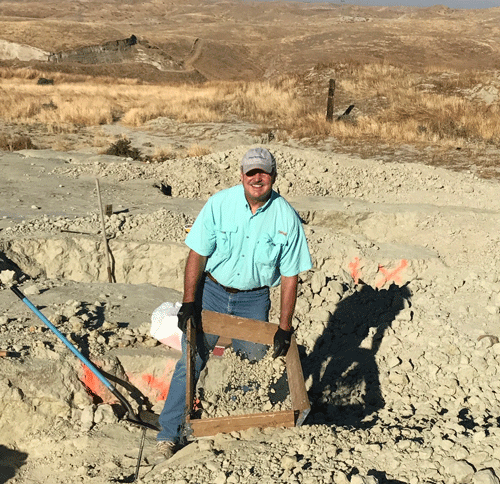
● Use basic tools like sifters and gloves. Patience plays a significant role, and timing matters more than luck.
● Research active fossil hunting locations with a history of Megalodon finds. Ask locals or follow fossil forums.
You need permission before digging in certain places. Always respect local laws and land rules.
Preserve the Fossil You Invest In
Once you have found or purchased a specimen, please treat it with care and respect. Every detail you preserve helps maintain its value. Follow these steps to keep it in top shape:
● Clean the tooth gently with water and a soft brush. Avoid harsh chemicals.
● Store it in a cool, dry space, away from sunlight and moisture.
● Use padded display cases or shelves to protect it from bumps or scratches.
● Avoid using sealants or glues unless advised by a fossil expert.
Preserving a rare fossil adds long-term value and preserves its natural character.
FInal Words
You do not need luck to find a remarkable fossil. You need knowledge. A sharp eye, clear standards, and the ability to say no help you make smart decisions. Alpha teeth show size, symmetry, and signs of survival. They carry power, rarity, and history in one fossil. Make sure you always check for complete traits, not just the number on a measuring tape. When you hold a real alpha megalodon tooth, you feel the difference. That tooth earns its place in your collection for the right reasons.
Footnote
Collectors choose alpha Megalodon teeth for their structure, preservation, and natural balance. These fossils combine rarity and durability, providing serious collectors with a compelling reason to invest in and preserve history.