

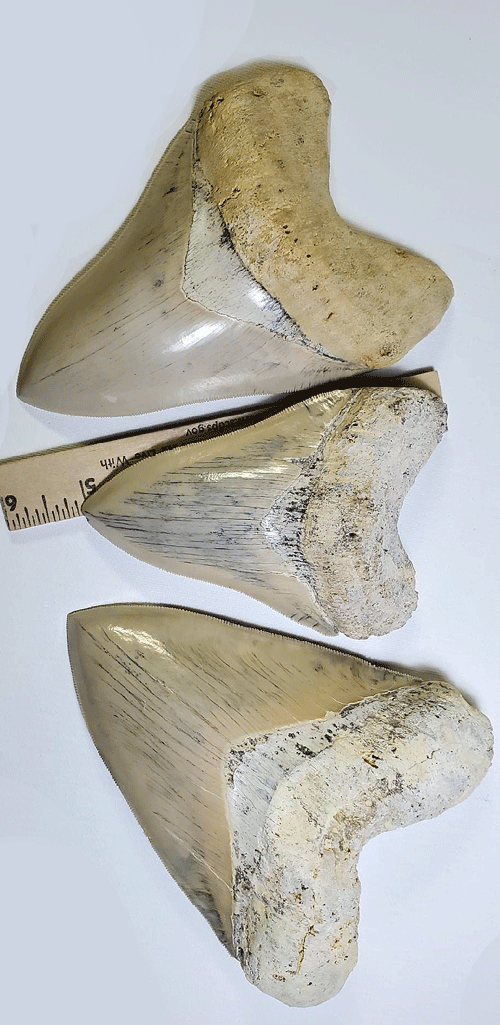
At our facility, we have been helping fossil enthusiasts and collectors explore the fascinating details behind an authentic megalodon tooth. We take pride in guiding others through the process of identifying genuine fossils, ensuring that every find or purchase comes with the confidence of knowing its true origin. The Megalodon, an ancient predator that once dominated the seas, left behind massive teeth that are both scientifically significant and visually striking.
These teeth, which can measure up to seven inches in length, often hold subtle clues about the past—clues that sometimes only become visible when examined under ultraviolet light. In some instances, this glow can reveal necessary information about the fossil’s history and authenticity.
The Role of UV Fluorescence in Fossil Identification
When we set out to determine whether a Megalodon tooth is genuine, UV light testing can play a key role. Authentic specimens may display a unique form of fluorescence when exposed to UV light. This effect occurs because the fossilization process replaces the original organic material with minerals over millions of years. These minerals, locked into the structure of the tooth, can respond to ultraviolet wavelengths in a way that artificial replicas cannot. When a genuine tooth is illuminated with UV light, it may glow subtly or produce more pronounced color variations, depending on the mineral content and environmental conditions during fossilization.
This fluorescence is not simply an aesthetic feature. It is a result of natural processes that have occurred over immense spans of time. Artificial replicas—commonly produced from resin, plaster, or modified modern teeth—lack this deeply embedded mineral composition, meaning they often fail to exhibit any genuine fluorescence when tested under UV light.
Why Fluorescence is Significant
The presence of fluorescence provides more than just a striking visual display—it also acts as an essential indicator of authenticity. A real Megalodon tooth will often show varied coloration, fine imperfections, and patterns that have formed naturally over millions of years. Fake specimens, on the other hand, may have unnaturally even colors, overly glossy finishes, or surfaces that appear unnaturally smooth and polished.
In authentic fossils, coloration can range from dark gray and black to brown or even shades of blue. Rather than appearing uniform, these colors typically form marbled blends, reflecting the complex interactions between the tooth and the sedimentary environment in which it was buried. The minerals responsible for these colors are often the same ones that respond to UV light, making fluorescence a reliable companion to visual inspection.
How UV Light Works with Other Identification Methods
While UV testing can give us valuable insight into the authenticity of a fossil, it works best when combined with other well-established identification techniques. Examining the surface of the tooth can reveal signs of natural wear, such as fine scratches, pits, and a slightly weathered texture. Artificial replicas tend to be far smoother and may feature wear patterns that look manufactured.
Weight and density also serve as important indicators. Fossilized teeth are mineral-rich and therefore heavier than they appear. Counterfeits, often made from lighter synthetic materials, do not match the density of an authentic specimen. The edges of a genuine, authentic Megalodon tooth will typically feature fine serrations that, while possibly worn, are still visible. These serrations are a product of natural growth and are difficult to replicate with accuracy in artificial materials.
Additionally, the root structure of a genuine tooth often includes distinct lobes and nutrient foramina, while the bourlette—the area between the enamel and the root—may show irregular coloration and mineral deposits unique to the location of fossilization.
What Fluorescence Can Reveal
The glow patterns observed under UV light can tell us much more than whether a tooth is real. They can also provide hints about the geological history of the fossil. Certain regions are known for producing teeth with unique mineral compositions that fluoresce in specific ways. For example, a reddish glow might indicate the presence of iron-rich sediments, pointing to a particular type of burial environment.
When an authentic megalodon tooth displays fluorescence, it often means that minerals were naturally embedded into the tooth during fossilization. This type of glow tends to come from within the fossil’s structure, rather than from any artificial surface treatment. Such patterns can also help suggest the geographic origin of the specimen, giving additional context to its historical journey from the ocean floor to a collector’s display.
Examining a Tooth Under UV Light
When we conduct UV testing, we make use of the correct light source—typically a handheld UV flashlight or blacklight with a wavelength of around 365 nanometers. This wavelength is ideal for detecting even subtle fluorescence. Performing the test in a dim or darkened room ensures that the glow is visible, even if it is faint. What we are looking for is fluorescence that appears to come from within the tooth’s structure, which indicates deep mineralization. This differs from surface-level reflections seen in artificially treated or coated replicas.
UV testing should always be combined with other identification methods. While a tooth may fluoresce, the overall structure, texture, serrations, and weight still need to align with the characteristics of a genuine fossil. When all of these indicators point in the same direction, the confidence in authenticity becomes much stronger.
Why UV Testing Helps Identify Replicas
Replicas, regardless of how well they are made, generally cannot mimic the same depth of fluorescence seen in genuine fossils. While artificial coatings or paints might reflect UV light in unusual ways, they rarely produce the natural, internal glow that occurs in a fossilized tooth.
This makes UV testing a valuable, non-invasive technique for ruling out obvious fakes quickly. It also helps ensure that the specimen being evaluated has undergone the same natural processes that have shaped authentic Megalodon teeth over millions of years.
Closing Perspective
An authentic megalodon tooth that glows under UV light offers far more than a visual spectacle. The glow is often a testament to the natural mineralization process, a process that has preserved the tooth for millions of years while embedding it with the unique chemical fingerprints of its environment. This phenomenon connects the fossil to its ancient past, providing both scientific insight and aesthetic value.
When UV testing is combined with detailed examination of the tooth’s surface characteristics, weight, serrations, and root structure, it becomes one of the most effective tools for confirming authenticity. For fossil collectors, researchers, and enthusiasts alike, a specimen that responds under UV light is not only captivating to observe but also a genuine relic of prehistoric life—one that carries the story of an apex predator and the ancient oceans it once ruled.






