

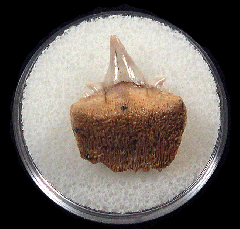
Sharktooth Hill in California has long fascinated paleontologists, fossil hunters, and serious collectors alike. Situated in the southern San Joaquin Valley near Bakersfield, this site is renowned as one of the richest marine fossil beds on Earth. We understand the deep appeal of this location because it continues to supply an incredible range of specimens—many of which find their way into prized collections through opportunities like a Sharktooth Hill fossil for sale.
Let’s explore why this Miocene-era deposit continues to capture the imagination of collectors around the world.
A Window Into the Miocene Seas
Roughly 15 million years ago, during the middle Miocene epoch, much of central California was covered by a shallow inland sea. This warm, nutrient-rich environment supported an abundance of life—from massive baleen whales to formidable predators like the megalodon and other giant sharks.
Over time, these marine animals lived, died, and sank to the seafloor. Sediment accumulated, preserving their remains. Today, those layers of compacted marine deposits comprise the famed Round Mountain Silt Formation, which features Sharktooth Hill as its most celebrated exposure.
The fossil record here paints a vivid picture of an ecosystem in a state of flux. Collectors who hold specimens from this bed are essentially holding a piece of ancient California ocean history in their hands.
Why So Many Fossils Are Collected Here
One of the enduring questions about Sharktooth Hill is why the site contains such a concentrated accumulation of marine fossils. Geologists believe this richness is due to both environmental and geological factors.
During the Miocene, the inland sea was relatively calm, with slow sedimentation rates. This meant that animal remains did not get buried quickly, allowing skeletal material to accumulate over long stretches of time. Eventually, when the sediments did cover them, they preserved vast assemblages all at once.
Additionally, ocean currents likely funneled carcasses into specific areas, concentrating bones and teeth. This explains why collectors often find large numbers of shark teeth and marine mammal bones clustered in specific zones rather than scattered randomly.
The result is a fossil bed that has yielded millions of specimens and continues to surprise both researchers and collectors with its abundance.
A Collector’s Paradise
For fossil enthusiasts, Sharktooth Hill offers more than just scientific intrigue—it provides a direct connection to some of the most collectible specimens in the market. From sleek mako teeth to robust megalodon fragments, the range of species represented is astounding.
Holding a fossil from this locality means holding a remnant of a world where massive predators ruled the seas. That allure is part of why Sharktooth Hill fossils remain in high demand. Many collectors actively seek out Sharktooth Hill fossils for sale opportunities to add a distinctive piece of Miocene history to their collections.
When compared with other famous fossil beds, Sharktooth Hill is unique not only for its abundance but also for the condition of its specimens. Teeth often retain sharp serrations, bold coloration, and impressive size. For collectors, this combination of preservation and history makes each specimen a treasure worth cherishing.
Comparing Sharktooth Hill With Other Localities
Collectors often compare Sharktooth Hill to other fossil-bearing regions, such as the coastal rivers of the Carolinas or the phosphate pits of Florida. Each location has its own signature characteristics, but Sharktooth Hill holds a special place.
While North Carolina sites produce larger megalodon teeth, Sharktooth Hill offers an unmatched concentration of mixed species within a single geological layer. The variety includes not only sharks but also dolphins, whales, turtles, and even terrestrial animals washed into the ancient sea.
This mix of marine and land specimens makes Sharktooth Hill more than just a shark-tooth site—it’s a record of an entire ecosystem captured in stone. That diversity continues to captivate collectors who value specimens that possess both scientific significance and storytelling power.
The Science Behind the Fossil Bed
Beyond its role in collecting, Sharktooth Hill remains an essential site for paleontologists. Researchers studying these deposits have gained significant insights into Miocene marine life, extinction events, and climate patterns.
The bed’s layers reveal shifts in sea level and temperature, while the diversity of species helps scientists reconstruct food webs and predator-prey relationships. For collectors, this scientific grounding enhances the value of each specimen. Owning a fossil from Sharktooth Hill is not just about aesthetic appeal—it’s about holding a scientifically meaningful artifact that ties into broader questions about Earth’s history.
The Thrill of Collecting Sharktooth Hill Fossils
Collectors know that fossil hunting is as much about the story as it is about the specimen. When you bring home a Sharktooth Hill tooth, you’re not just adding an object to your shelf—you’re adding a chapter of natural history.
Every serrated edge on a tooth speaks of a predator that once patrolled Miocene waters. Every bone fragment hints at a whale or dolphin that lived millions of years ago. And every collector who holds one of these pieces becomes part of an ongoing tradition of discovery, appreciation, and preservation.
That’s why the search for a Sharktooth Hill fossil for sale isn’t just about acquisition—it’s about joining a lineage of fossil enthusiasts who recognize the significance of this extraordinary site.
Caring for and Displaying Fossils
For collectors, acquisition is only the first step. Proper care ensures that Sharktooth Hill specimens maintain their beauty and integrity for generations. Fossils should be stored away from direct sunlight, kept at a stable humidity level, and occasionally stabilized if they exhibit signs of fragility.
Displaying these specimens, however, is where the collector’s passion shines through. Whether showcased in a private study, a museum-style cabinet, or even integrated into educational settings, Sharktooth Hill fossils naturally draw attention and spark conversation. Their sheer history and striking appearance make them natural centerpieces.
Why Collectors Keep Coming Back
Part of what makes Sharktooth Hill so enduring in collector circles is its combination of accessibility and rarity. While the site has been heavily collected over the years, specimens continue to surface through both professional excavations and private holdings.
Each fossil offers something slightly different—color variations, size, or unique wear patterns that tell a specific story. This variety ensures that collectors always have something new to seek, compare, and treasure.
The ongoing fascination with Sharktooth Hill reflects not only the abundance of fossils but also the shared enthusiasm of a global community of collectors who recognize its importance.
Conclusion
Sharktooth Hill remains one of the richest fossil beds in the world, capturing both abundance and diversity in a single location. Collectors continue to be drawn to its specimens, whether through personal discovery or the purchase of a Sharktooth Hill fossil. These fossils are more than relics—they are lasting pieces of ancient ocean history. Buried Treasure Fossils is proud to share these remarkable specimens with enthusiasts worldwide.
Contact us today to explore our Sharktooth Hill fossils—we offer collectors rare specimens that bring prehistoric ocean history to life.






