Fossil collecting is more than just acquiring prehistoric relics — it’s about honoring the deep-time legacy they carry. That’s why authenticity matters so much when it comes to acquiring rare finds like Anzu claws. As enthusiasts and professionals alike explore the fossil trade, one concern remains consistent: how to ensure what you’re getting is real. We understand the responsibility that comes with offering specimens of this rarity, and we approach it with care. Whether you’re a seasoned paleontologist or a first-time buyer looking for Anzu claws for sale, understanding what makes a fossil authentic — and how to spot signs of restoration — is essential.
Let’s explore how to verify genuine fossils, understand restorations, and navigate the fossil trade responsibly.
What Are Anzu Claws and Why Are They So Coveted?
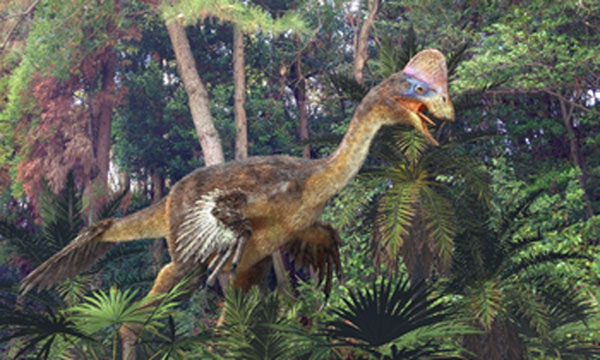
Anzu claws are associated with the dinosaur genus Anzu wyliei, a North American oviraptorid that lived during the Late Cretaceous period. Nicknamed the “chicken from hell,” Anzu had a bird-like appearance, featuring a toothless beak, crest, and claws that reflect its omnivorous adaptations.
Authentic Anzu claws are rare, and that scarcity is precisely what drives high collector interest. These fossils often originate from the Hell Creek Formation, a sedimentary rock layer rich in Cretaceous vertebrates. The anatomical detail in Anzu claws—curved, sharp, and sculpted by evolution—makes them not only fascinating relics of dinosaur biology but also valuable assets for personal collections and academic study.
Common Signs of Authentic Anzu Claws
Before acquiring Anzu claws, it's essential to understand what real fossils look and feel like. Genuine specimens typically exhibit a dense, mineralized structure that results from millions of years of fossilization. Look for the following characteristics:
● Natural coloration: Fossils from the Hell Creek Formation often have dark brown to black hues, sometimes with hints of mineral staining. Color should be consistent with other local finds.
● Surface texture: Authentic fossils show weathered but intricate surface patterns. These can include muscle attachment grooves or natural wear from burial.
● Structural integrity: While minor fractures are typical, the overall shape should be coherent, not mismatched or unnaturally reconstructed.
Keep in mind that some claws may show signs of breakage or erosion. That doesn’t disqualify them from being authentic — it simply adds to the story of their ancient journey.
The Role of Restoration and Repair
Fossils are not always found in pristine condition. Many need light restoration to make them suitable for display or study. That said, transparency is key. Reputable sellers clearly describe any repairs or additions made to a specimen.
When evaluating Anzu claws for sale, ask the right questions: Was the claw repaired from multiple pieces? Were any sections restored with plaster or resin? Was paint used to blend fractures? These practices are acceptable if disclosed, but they should never account for the majority of the fossil.
At Buried Treasure Fossils, listings include high-resolution images and detailed condition reports to help collectors understand precisely what they’re acquiring. We ensure you know whether a claw is completely original or partially restored — and to what extent.
Why Provenance and Documentation Matter
In the fossil trade, provenance isn't just a buzzword — it's your first layer of verification. Knowing where a fossil came from and how it was collected gives you a trail to follow. This is especially relevant when reviewing listings that offer Anzu claws for sale, where regional indicators like the Hell Creek Formation play a critical role.
Documentation also reinforces confidence in authenticity. A certificate of authenticity (COA), although not an absolute guarantee, demonstrates a commitment to responsible selling practices. Trusted dealers will often supply provenance details and context on the fossil’s history, formation, and handling.
Identifying Fakes and Composites
Unfortunately, the fossil market includes replicas and composites that can mislead uninformed buyers. Some red flags include:
● Perfect symmetry: Natural fossils usually have subtle asymmetries due to evolutionary variation and taphonomic processes.
● Too much shine: A glossy surface can indicate the use of an artificial coating or polishing to conceal restoration.
● Suspiciously low prices: If a deal looks too good to be true, it probably is. Authentic Anzu claws are rare, and their pricing reflects this rarity.
Composites — fossils made from parts of different specimens or materials — are another risk. They might contain real fossil fragments bonded with resin or clay to form a “complete” claw. These pieces are usually more affordable, but they must be labeled accurately.
The Ethics of Fossil Collecting
Buying fossils isn’t just about owning a piece of the past — it’s about participating in a broader responsibility to science and cultural heritage. Reputable collectors support legal excavation, adhere to local and federal regulations, and source their fossils from reputable channels.
When searching for Anzu claws for sale, ensure your seller adheres to these standards.
Fossils collected from protected lands or exported illegally not only raise legal concerns but also contribute to the erosion of scientific data. Ethical sourcing helps preserve the integrity of the fossil record for both collectors and researchers.
Trusting Your Source
An experienced fossil dealer doesn’t just offer specimens — they offer knowledge. Trustworthy sellers provide detailed listings, multiple images, and open communication. If you’re unsure about a specimen, ask for close-up photos, provenance documentation, and repair disclosures.
We recommend building relationships with reputable fossil businesses that have a long-standing presence in the trade. Look for those who work directly with field collectors and emphasize the legality of fossils, transparency in restoration, and customer education.
When you explore listings like Anzu claws for sale, these indicators are what separate serious collectors from risky transactions.
How to Care for Your Anzu Claw Fossil
Once you’ve secured an authentic Anzu claw, properly preserving it ensures that it retains its condition and value. Fossils are relatively stable but still sensitive to environmental factors.
Avoid excessive humidity, direct sunlight, or temperature fluctuations. Store or display the fossil in a protective case or on a secure stand. If any cracks or signs of deterioration appear, contact a fossil conservator for guidance. Proper care protects your investment and maintains the integrity of the specimen for future study or display.
When in Doubt, Ask the Experts
If you're new to fossil collecting or unsure about a specific piece, consider reaching out to a specialist. Whether you're comparing similar fossils, unsure about restoration methods, or need help interpreting a listing, fossil experts can provide valuable insights.
The most reliable fossil dealers are happy to share their knowledge — not just to close a sale but to help you make informed, confident decisions. Their commitment to education supports the integrity of the entire fossil-collecting community.
Conclusion
Authenticity is the foundation of responsible fossil collecting, especially when it comes to rare specimens like Anzu claws. From spotting restorations to verifying provenance, every detail matters. The fossil market holds significant opportunities, but only when approached with care and informed decisions. We prioritize offering genuine, legally sourced fossils with clear documentation. When you encounter Anzu claws for sale, take the time to ask the right questions, examine the details, and rely on sources committed to authenticity.
Have questions or need guidance? Reach out to us for expert support and trusted insight on authentic fossil acquisitions.