

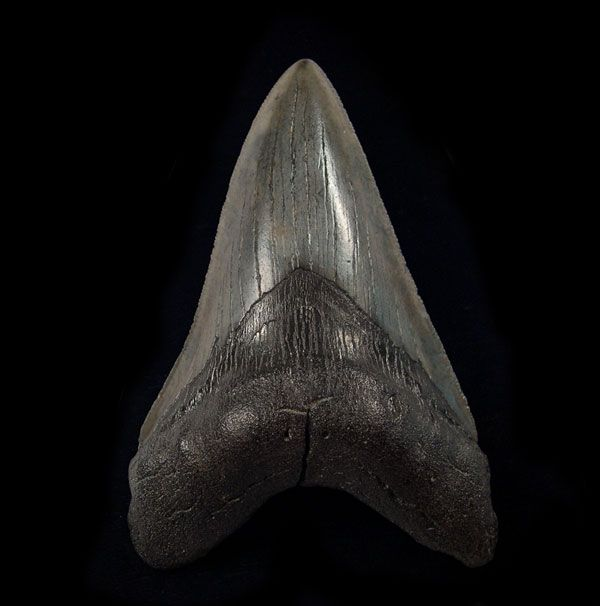
Not every treasure sparkles with the brilliance of gemstones or gleams with the shine of polished metal. Some treasures whisper stories of ancient oceans, colossal predators, and survival from a forgotten world. Among these, Megalodon teeth stand as icons of power and history. For fossil enthusiasts and collectors, the pursuit often begins with the thrill of discovery.
Questions like where to find megalodon teeth in Florida or along other fossil-rich coastlines fuel the passion.But here’s the detail that surprises many, even among seemingly similar specimens, value can differ by thousands of dollars. The defining factor? Serration detail.
These delicate ridges, once honed by nature to slice through the flesh and bone of whales, now serve as the ultimate measure of rarity, authenticity, and collectability. A Megalodon tooth with crisp serrations is more than a fossil; it is a masterpiece of nature, carrying both scientific significance and collector prestige.
The Science Behind Serrations
The Megalodon was evolution’s apex design in predatory efficiency. Each tooth bore serrations resembling a saw blade, enabling it to carve through massive prey with ease. These serrations ensured that its bite wasn’t just powerful but devastatingly effective.
Yet, over millions of years, most teeth lost this delicate edge. Fossilization, ocean currents, and natural erosion wore down the tiny ridges, leaving behind smooth or dulled edges. Finding a tooth where serrations have survived the test of time is, therefore, a rare and exciting discovery.
For scientists, serrations provide insight into the shark’s evolutionary adaptation and hunting techniques. For collectors, they embody the Megalodon’s terrifying presence in a way no smooth edge ever could.
Condition Is Everything
Collectors evaluate Megalodon teeth through multiple criteria:
Enamel Quality: High-grade enamel, glossy and free from flaking, signals minimal damage.
The Bourlette: The darkened patch near the root, often referred to as the black bourlette, is prized when complete and extra large.
Root Integrity: A well-preserved root with few hydration cracks is highly desirable.
Authenticity: No repairs, no restoration, just a true relic of natural history.
Even with all of these boxes checked, serrations still play the leading role in driving value. A tooth may have near-perfect enamel and bourlette, but if its serrations are worn away, its market appeal instantly diminishes. Conversely, a specimen with sharp, defined serrations commands attention and sparks bidding wars among serious collectors.
Why Serrations Add Thousands to the Value
1. Rarity of Preservation
Time is unkind to fine details. Serrations are often the first feature to be lost during fossilization, making intact examples exceptionally rare. Collectors are well aware of this scarcity, and scarcity always drives value.
2. Visual Drama
Serrations aren’t just functional; they’re visually captivating. When light hits a well-preserved edge, those tiny ridges create depth, shadow, and contrast that elevate the fossil’s display appeal. A tooth with sharp serrations doesn’t just look ancient, it looks dangerous.
3. Authenticity Marker
Collectors often fear over-polishing or artificial restoration. Serrations, when naturally intact, reassure buyers that a specimen is authentic and untouched. They serve as a kind of built-in guarantee that the fossil hasn’t been tampered with.
4. Market Demand
High demand follows rarity. Collectors and investors consistently prioritize teeth with sharp serrations, knowing they hold their value and often appreciate more quickly. A tooth with worn serrations may linger unsold, while one with razor-like ridges can vanish from the market at premium pricing.
The Role of Size and Serrations Together
While size certainly influences value, larger Megalodon teeth naturally attract higher prices, it isn’t the only factor. A massive 7-inch tooth with dull edges can still fetch less than a smaller specimen with immaculate serrations.
This is because serrations amplify desirability. The most coveted fossils are those that strike a balance between size and detail, embodying both the grandeur of the Megalodon and the fine craftsmanship of nature’s design. For collectors, serrations transform a fossil from a simple remnant of the past into a true showpiece.
Serrations and Collector Psychology
What makes serrations so compelling isn’t just their rarity—it’s their emotional pull. Collectors aren’t buying stones; they’re buying a connection to a predator that once dominated Earth’s oceans. Sharp serrations allow the imagination to visualize the tooth in action, tearing into prey with unstoppable force.
This visceral connection matters. When a collector looks at a tooth with crisp serrations, they don’t just see a fossil—they feel the power and ferocity of the Megalodon itself. That emotional impact creates desire, and desire drives value.
Beyond Price: Serrations as History
The significance of serrations extends beyond their monetary value. They provide valuable data for paleontologists studying the behavior, diet, and evolutionary development of Megalodon. Wear patterns can reveal whether a tooth was used to shear flesh, crush bone, or pierce tough hides.
Thus, serrations are more than decorative ridges. They are tangible pieces of history that tell us how this apex predator lived, hunted, and thrived. When preserved, they offer both scientific discovery and storytelling potential for collectors.
Tips for Collectors: How to Spot Valuable Serrations
Inspect Closely: Use magnification to examine the edges. Crisp, evenly spaced serrations signal high value.
Check for Consistency: Serrations should run the full length of the edge without long gaps.
Beware of Over-Polish: Serrations that look unnaturally perfect may have been altered. Natural serrations are sharp but irregularly weathered.
Balance with Other Features: While serrations can significantly increase value, don’t overlook enamel, bourlette, and root preservation. The best specimens strike a balance among all these qualities.
Conclusion: The Edge That Defines Value
Among the many factors that influence the value of a Megalodon tooth, size, enamel quality, bourlette condition, root integrity, serration detail and, where to find megalodon teeth in Florida holds a special place. Serrations are the living edge of history, proof of a predator that shaped ancient oceans.
They enhance a fossil beyond simple preservation, adding thousands to its market value and immeasurable weight to its story. For collectors, serrations aren’t just an enhancement; they are the defining feature that transforms a Megalodon tooth into a legacy piece.
If you’re captivated by the allure of Megalodon fossils, now is the perfect time to explore our collection. Discover specimens with pristine serrations, authentic enamel, and unmatched detail, each one guaranteed to be genuine.






