

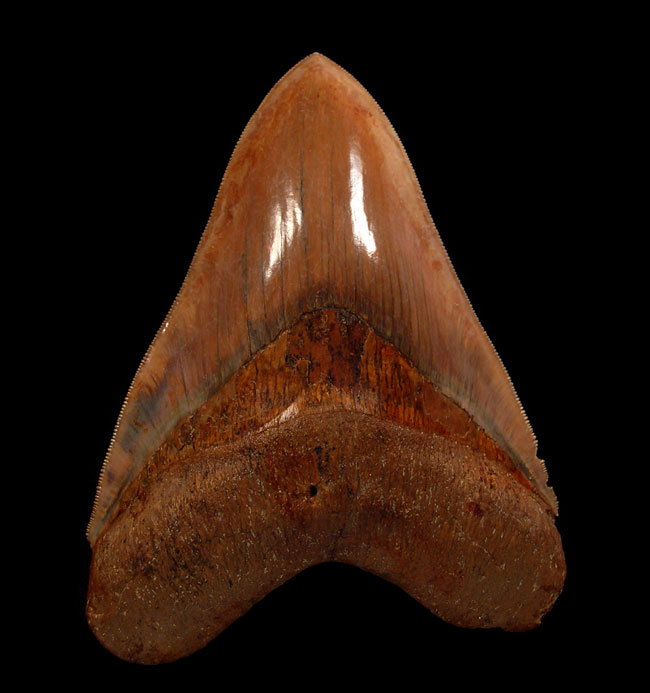
Megalodon teeth have long fascinated collectors for their sheer size, prehistoric significance, and natural beauty. Among the global variety of specimens, Indonesian Megalodon teeth offer something truly special: an exceptional range of vivid colors and patterns that make them highly sought after by fossil enthusiasts. At Buried Treasure Fossils, we’ve had the opportunity to showcase some of the most visually captivating examples from Indonesia—and it’s easy to see why these fossils capture attention so quickly.
Let’s explore what makes these fossils not only rare but also remarkable in their visual complexity and collector appeal.
Rich Volcanic Sediment: Nature’s Coloring Agent
The stunning colors found in Indonesian Megalodon teeth can largely be attributed to the volcanic-rich sediment in which they fossilized. Over millions of years, as the teeth became buried beneath layers of Earth, minerals from the surrounding environment began to seep into the enamel and root. This is a natural process known as mineral replacement.
What sets Indonesia apart is the region's high concentration of volcanic activity, which enriches the soil with minerals like iron, manganese, and other metallic elements. These minerals are responsible for the vibrant palette found in the teeth—from deep reds and golden browns to purples, oranges, and even striking multi-colored blends. This kind of mineral diversity is rarely replicated in other fossil sites across the world.
Coastal Erosion and Submerged Deposits
Unlike the inland riverbanks or quarries where many Megalodon teeth are discovered, those from Indonesia are typically recovered from submerged coastal deposits. The teeth are found in rivers and shallow marine areas, where erosion slowly uncovers fossils that have been hidden for millions of years.
The constant movement of water through these sediment-rich zones facilitates not only the exposure of the teeth but also contributes to their polished appearance and glossy enamel texture. These conditions help preserve the original integrity of the tooth while adding to its visual appeal.
Wide Range of Aesthetic Variations
Another standout feature of Indonesian Megalodon teeth is the sheer variety in patterns and color combinations. No two teeth are alike. Some exhibit vivid marbling or banding, while others have a more consistent hue punctuated by streaks or veins of color. This diversity makes each fossil a one-of-a-kind collector’s piece.
Collectors often find Indonesian specimens that display rare and striking features. Many showcase highly saturated hues such as orange, gold, or violet, which are especially captivating under natural or display lighting. Others possess unusual enamel gradients that shift in tone depending on the angle or light source, adding visual complexity. Some teeth even contain translucent or crystalline patches in the root or blade, giving them a striking appearance that sets them apart from more common fossils.
These characteristics not only elevate the teeth visually but also increase their market value and display interest among fossil enthusiasts and curators.
Collectibility and Rarity in the Fossil Market
Because of their distinct geological origin, Indonesian Megalodon teeth are not as commonly found as those from North America or Morocco. This adds an element of exclusivity for collectors. While Megalodon fossils from other regions often have uniform dark grays or browns, the Indonesian varieties are appreciated as aesthetic centerpieces rather than just scientific specimens.
This rarity has led to increased demand in the fossil marketplace. Collectors seeking visually unique fossils or looking to enhance the diversity of their displays often prioritize Indonesian pieces. The teeth offered through Buried Treasure Fossils are carefully selected based on factors such as size, enamel quality, root completeness, and, importantly, color vibrancy.
Ethical Sourcing and Hand Selection
Each tooth featured in the Indonesian collection at Buried Treasure Fossils has been individually hand-selected for its authenticity, natural beauty, and quality. The sourcing process focuses on fossils that are naturally recovered rather than artificially enhanced or polished.
This is a key point for serious collectors who want assurance that the color and texture of the tooth are naturally formed and not the result of chemical treatments or modern restorations. Transparency in sourcing builds trust, and reputable sellers help preserve the value of the fossil in both scientific and collector communities.
Geological Age and Preservation
Indonesian Megalodon teeth are estimated to be from the Miocene to Pliocene periods, placing them at approximately 2 to 15 million years old. This means they come from a time when the Megalodon shark reigned as one of the most formidable marine predators to have ever lived.
Despite their age, many of these teeth exhibit exceptional preservation, with sharp serrations, full crowns, and intact roots. This level of detail is rare in fossils of this age, especially when combined with the rich color variations found in the Indonesian specimens.
Their age and preservation level provide additional depth for collectors who value both the historical context and visual integrity of the piece.
Indonesian Fossils as Display Pieces
Fossil collecting isn't just about filling drawers with ancient artifacts. For many, it’s also about displaying the natural artistry that the Earth creates over millions of years. Indonesian Megalodon teeth, with their unique colorations and pristine form, are among the best fossils for display purposes.
They look striking in personal fossil collections, museum exhibits, and even home or office displays. Whether showcased on a stand or kept in a secure case, these fossils consistently draw interest and conversation. Their unusual coloring helps them function as both a scientific relic and a natural art piece.
Investment Value for Collectors
Beyond aesthetic and historical appeal, Indonesian Megalodon teeth are increasingly recognized for their investment potential. As fossil discoveries from this region become more limited or regulated, the scarcity naturally enhances their value. Serious fossil investors and paleontology enthusiasts often prioritize Indonesian specimens for long-term appreciation.
However, it’s essential to purchase from a reputable source to ensure that the fossil is genuine and ethically obtained. That’s why collectors frequently turn to trusted sellers like Buried Treasure Fossils, known for providing verified, top-grade specimens.
Conclusion
We’ve seen firsthand why Indonesian Megalodon teeth continue to captivate fossil collectors worldwide. Their vibrant colors, formed naturally by volcanic sediment, offer a distinct aesthetic that’s unmatched by fossils from other locations. Each tooth holds millions of years of history, encased in hues that range from fiery orange to royal purple—turning these ancient shark relics into striking collector items.
With a focus on quality, authenticity, and ethical sourcing, Buried Treasure Fossils remains a go-to destination for those seeking rare and visually stunning Megalodon teeth. Whether you’re an experienced fossil hunter or new to the collecting scene, these Indonesian specimens offer a blend of scientific intrigue and natural artistry worth exploring.
Explore rare, naturally colorful Indonesian Megalodon teeth—fossils prized by collectors for their vivid hues and geological authenticity.






