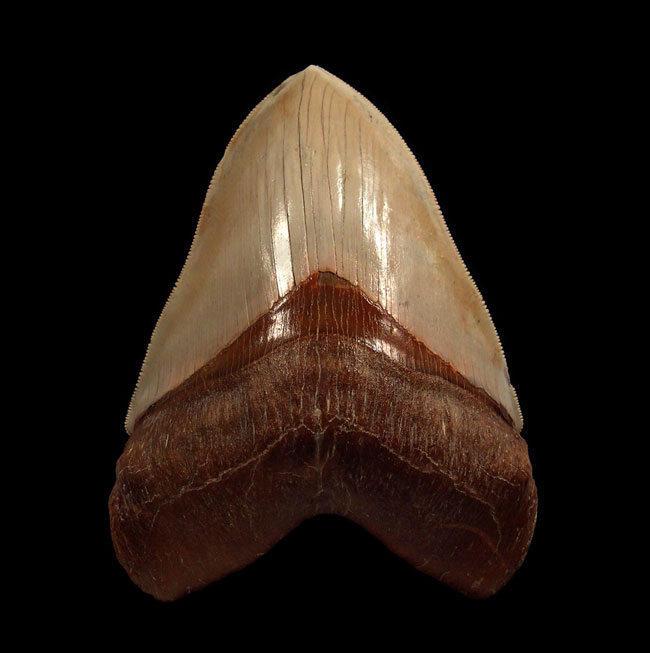
The discovery of one of the largest megalodon tooth fossil specimens in Chile has brought international attention to a relic that connects the present to an ancient predator. As we work on projects like this, we take pride in the opportunity to handle such rare finds and in the responsibility to bring them back to life for research and display.
Our restoration process is built on precision, care, and a deep respect for the history these specimens represent. Record-size teeth are frequently discovered in fragments, shaped by geological forces and environmental wear. Restoration then becomes a meticulous process that transforms incomplete remains into scientifically valuable specimens.
Fragmentation: Forces That Shape Fossil Condition
The Chilean coast provided the location for the remarkable discovery of a record-size Megalodon tooth. Over millions of years, geological activity has shaped the region into a complex fossil site. Massive tectonic shifts, volcanic activity, and sedimentary pressure have created both opportunities for fossil preservation and significant challenges for keeping a specimen intact.
Large fossils, such as Megalodon teeth, can be especially vulnerable to breakage. Once buried beneath layers of sediment, they may be subjected to crushing pressure from shifting rock strata. Natural weathering processes—including erosion from water and wind—can fracture enamel and separate large pieces. Over extended timeframes, even minor cracks can widen, leading to larger breaks and causing multiple fragments to become scattered throughout the surrounding material.
Recovery of Fragmented Specimens
When a fragmented Megalodon tooth is located, the recovery process must be approached with great attention to detail. Specialists often have to scrutinize the surrounding sediment to identify and preserve all possible sections before transport. Even the most miniature chips might be crucial to reconstructing the original form.
Once the fossil has been removed from the ground, each fragment needs to be stabilized to prevent further deterioration. Cleaning is performed to remove soil and mineral buildup without damaging the surface. This stage helps in revealing the original edges, enamel texture, and break lines, all of which are essential for accurate restoration.
Restoration: Reassembling Prehistoric Giants
Reconstruction begins by aligning fragments based on their natural breaks. This process can feel like assembling a prehistoric puzzle, where every placement must be exact to ensure accuracy. Fossil preparators use specialized adhesives to bond the pieces while maintaining the integrity of the tooth’s original material.
In cases where portions are missing, restorers may create neutral, non-intrusive fills that make the specimen visually complete for display. These additions remain distinguishable from the authentic fossil, preserving scientific accuracy. The end goal is to return the tooth to a stable condition that reflects its proper form while keeping every genuine part intact.
Once fully restored, the megalodon tooth fossil becomes not only visually complete but also structurally sound, able to withstand handling for study and exhibition without risk of damage.
Scientific Importance of Restored Teeth
A restored Megalodon tooth can offer much more than an impressive appearance. Its dimensions help estimate the overall body size of the shark, with the most prominent teeth suggesting lengths that may have reached over 60 feet. The curvature, enamel thickness, and serration details can reveal feeding behavior, prey preferences, and growth stages.
The Chilean specimen, after being reconstructed with care, has become an essential source for studying
the evolutionary history of apex predators in ancient oceans. Detailed examination allows for comparisons with other significant finds, providing insight into size variations and shape differences across regions.
Historical and Educational Value
Restoring a fragmented tooth does more than make it ready for display—it transforms it into an artifact that tells a story. These specimens help bring marine paleontology into classrooms, museums, and exhibitions, giving people a physical connection to an ancient world.
In Chile, the discovery has also highlighted the country’s unique fossil heritage. The restored tooth now serves as both a scientific resource and a cultural artifact, showcasing the richness of the nation’s geological record and offering a glimpse into life millions of years ago.
From Fragment to Complete Specimen
The process of taking a fossil from a fractured state to a fully reconstructed specimen reflects the patience, skill, and dedication required in paleontological work. Each stage—from careful excavation and transport to cleaning, alignment, and gap filling—must be handled with precision.
By restoring fragmented fossils, specialists ensure that even incomplete finds can play an essential role in research and education. The Chilean Megalodon tooth demonstrates how meticulous preparation and thoughtful reconstruction can bring a fossil back into a form that captures attention while contributing to scientific study.
Conclusion
Gigantic Megalodon teeth are often discovered in pieces due to the immense geological forces, environmental exposure, and natural erosion they experience over millions of years. The restoration process, as seen in the Chilean specimen, combines careful recovery with precise reconstruction techniques to create a specimen that can be studied, appreciated, and preserved for future generations.
Once restored, each megalodon tooth fossil becomes more than a relic of an extinct predator—it becomes a lasting record of size, structure, and ecological role. It stands as a reminder of the Earth’s deep history, where fragments can be given new form and meaning through the dedicated work of those who preserve them.