

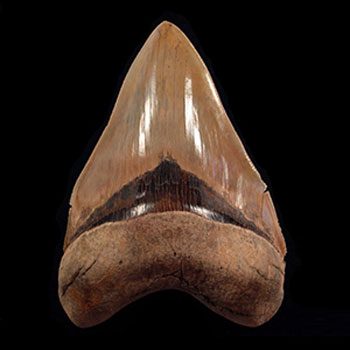
Fossil collections often reflect more than a fascination with the past—they tell stories of evolution, extinction, and the enduring connection humans feel to the natural world. Among these treasures, few items carry as much weight, both literally and figuratively, as the Megalodon tooth. Revered by professional paleontologists and highly sought after by hobbyists, these fossils embody the power of an apex predator that ruled the oceans millions of years ago. As collectors, we understand the thrill of discovering pieces that elevate a collection, and megalodon teeth in Florida and beyond have become synonymous with prestige and rarity.
Let’s explore why a Megalodon tooth is a cornerstone for every fossil collection.
A Glimpse Into Prehistoric Oceans
The Megalodon, formally known as Carcharocles megalodon, dominated Earth’s oceans approximately 23 to 3.6 million years ago. This giant shark reached estimated lengths of up to 60 feet, making it one of the largest predators to have ever lived. Its teeth, some exceeding seven inches in length, are among the only surviving evidence of its existence since shark skeletons are made of cartilage and rarely fossilize.
For collectors, these teeth serve as tangible connections to a marine ecosystem that no longer exists. Each specimen offers a direct link to the Miocene and Pliocene epochs, giving us a rare chance to hold a piece of natural history shaped by millions of years of pressure and sediment.
Why Megalodon Teeth Define a Collection
A fossil collection often grows through the careful addition of distinctive specimens, and few can rival the impact of a Megalodon tooth. These fossils are not only remarkable in size but also in the variety of colors, shapes, and conditions they exhibit. A single tooth can range from jet black to subtle hues of gray, brown, and even blue, depending on the minerals in the surrounding sediments during fossilization.
Because of these unique variations, no two teeth are exactly alike. Collectors value this individuality, knowing that each tooth represents both the predator itself and the geological conditions that preserved it. Whether displayed in a professional museum or a personal study, a Megalodon tooth immediately conveys significance and depth to a collection.
The Enduring Appeal of Florida Megalodon Teeth
Florida has become one of the most celebrated locations for recovering Megalodon teeth, making Megalodon teeth in Florida a subject of great interest among collectors. Coastal rivers, offshore beds, and fossil-rich sediments yield specimens that are both abundant and highly collectible. Divers and fossil hunters often share stories of discovering these prehistoric giants while exploring riverbanks and submerged deposits across the state.
This accessibility does not diminish their value—on the contrary, Florida teeth are regarded as vital specimens for both beginners and seasoned collectors. The regional distinction also brings an added layer of identity to a collection, marking it as part of a broader narrative of fossil hunting across the United States.
Casual Collectors vs. Professional Enthusiasts
What makes Megalodon teeth remarkable is their universal appeal across all levels of collecting. Casual enthusiasts often acquire them as display pieces, appreciating their size and historical significance. Professionals, on the other hand, examine these fossils for details like serration quality, enamel preservation, and root stability, which all affect classification and value.
This duality highlights why Megalodon teeth are essential in any collection. They bridge the gap between casual admiration and scientific study, allowing collectors to engage with them on multiple levels. For many, acquiring a specimen—whether from a Florida riverbed or a global fossil dealer—is the start of a lifelong passion for paleontology.
Investment Value and Rarity
While fossil collecting is often driven by passion, it is worth noting that Megalodon teeth also hold long-term value. Larger, well-preserved specimens are increasingly rare, making them prized in the collector market. As excavation sites become less accessible and fossil-rich regions are protected or depleted, the availability of museum-quality teeth decreases.
For collectors who care about the sustainability of their collections, this rarity underscores the importance of acquiring a specimen now rather than later. Beyond monetary worth, however, the true value lies in the connection to Earth’s prehistoric story—something that cannot be measured solely by price.
A Fossil That Tells a Story
Each Megalodon tooth carries with it a history of survival, death, and preservation. The serrated edges reveal how the shark fed, the mineralization shows the journey through sediment and stone, and the wear patterns provide clues to the predator’s life in ancient seas. No other fossil captures the imagination in quite the same way, because no other predator has left behind such an iconic symbol of dominance.
For collectors, displaying a Megalodon tooth is more than showcasing a fossil—it is telling the story of one of the ocean’s greatest creatures. Visitors are drawn to the sheer size and mystery of the tooth, sparking curiosity and conversations that extend far beyond paleontology circles.
Why Your Collection Needs One
Regardless of whether a collection is modest or expansive, a Megalodon tooth elevates it. These fossils embody the strength, scale, and mystery of an apex predator whose reign has long since ended. Their rarity continues to grow, their scientific importance is undisputed, and their visual impact is unmatched. From Florida rivers to global fossil beds, each tooth brings authenticity and legacy to a collection.
As collectors, we recognize the value of securing specimens that both inspire and educate. Megalodon teeth in Florida and other regions represent the gold standard for those seeking to deepen their connection to Earth’s prehistoric past. Adding one to a collection is not simply acquiring another fossil—it is securing a centerpiece that will be admired for generations.
Conclusion
A Megalodon tooth is far more than a fossil; it is a lasting emblem of prehistoric oceans and an essential piece for any fossil collection. These remarkable specimens captivate both casual enthusiasts and professional collectors with their size, rarity, and historical weight. Whether sourced from megalodon teeth in Florida or other fossil-rich regions, they embody the legacy of an apex predator that once ruled the seas. For those passionate about building a collection that inspires, educates, and connects us to Earth’s deep history, adding a Megalodon tooth is a decision we can all agree brings unmatched value.
Start your fossil journey today—secure a genuine Megalodon tooth and make history the centerpiece of your collection.






