

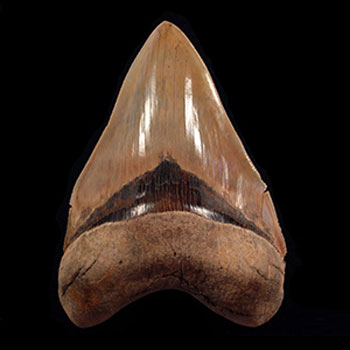
Megalodon teeth have fascinated fossil collectors and enthusiasts for generations. These relics from the ocean’s most powerful prehistoric predator are not only extraordinary pieces of natural history but also highly prized collector items. While replicas are widely available and often used for educational or decorative purposes, they can never match the authenticity and intrinsic value of the original fossils. That’s why, as collectors, we understand the significance of distinguishing between replicas and genuine specimens, especially when it comes to finding a real megalodon tooth for sale.
Let’s explore the qualities that make authentic teeth far more valuable than imitations.
The Fossilization Process: Nature’s Work of Art
A genuine megalodon tooth carries with it millions of years of history. These fossils formed when the giant shark shed its teeth into the seabed, and over time, mineral-rich sediments replaced the organic material. This slow process preserved the enamel, dentin, and root, locking in details that replicas cannot truly capture.
Replicas, by contrast, are manufactured from molds or resin casts. While they can replicate the general shape and even mimic coloration, they lack the unique variations that fossilization creates. Every authentic fossil has subtle differences in hue, density, and mineral deposits, making no two specimens alike. This natural individuality is part of what excites collectors and adds weight to the value of an authentic tooth.
Weight and Density: A Tactile Difference
Another striking difference lies in the weight and density. Fossilized megalodon teeth are heavier than replicas due to mineral replacement. When holding an authentic tooth, one immediately feels the density and robustness that comes from millions of years of geological transformation.
Replicas, typically made from resin or plaster, feel much lighter and lack the solid heft of a true fossil. Collectors often use this as an initial test of authenticity. While replicas may serve well for displays or educational models, they simply do not provide the same tactile experience as the real fossil.
Texture and Detail: Authenticity You Can See and Feel
Texture is another element that sets originals apart from reproductions. Genuine megalodon teeth reveal fine enamel ridges, serration patterns, and root textures that were preserved through fossilization. Even if some wear is present from the shark’s lifetime or erosion over millions of years, these details contribute to the story the fossil tells.
Replicas can imitate serrations or surface features, but under closer inspection, the repetition of patterns or smoothness from the casting process becomes evident. Authentic teeth, on the other hand, hold irregularities, mineral veins, and wear marks that are impossible to duplicate exactly. These subtle details enhance both the scientific and collector value.
Collector Value: Authenticity Over Imitation
For fossil collectors, authenticity is everything. A genuine megalodon tooth carries historical, scientific, and cultural significance that a replica cannot. This is why a real megalodon tooth for sale is often treated as an investment piece, valued not just for its size and preservation but also for its provenance and uniqueness.
Replicas, no matter how skillfully crafted, have limited value beyond decorative or educational use. They lack the rarity that drives demand among collectors. When a fossil hunter or collector adds an authentic tooth to their collection, they are acquiring not only a fossil but also a direct link to Earth’s prehistoric oceans. That emotional and historical connection is what creates lasting value.
Variations in Color, Size, and Preservation
One of the most captivating aspects of authentic fossils is the wide variation in color, size, and preservation. Genuine megalodon teeth come in shades of black, gray, tan, and even rare hues like blue, depending on the minerals in the sediments where they fossilized. Larger teeth in excellent condition, especially those over five inches with sharp serrations and intact enamel, are the most sought after and can command significant prices.
Replicas, however, often rely on artificial paints and coatings to mimic these colors and cannot replicate the natural variations of mineralization. While they can look impressive from a distance, the artificial nature of the coloring becomes apparent up close, particularly to seasoned collectors. The depth, richness, and natural blending of colors in real fossils cannot be matched by synthetic means.
The Scientific Significance of Authentic Fossils
Beyond collector value, authentic megalodon teeth contribute to paleontological research. By studying genuine fossils, scientists can learn more about the size of these sharks, their diet, and the prehistoric environments they lived in. Tooth wear patterns, growth lines, and mineral content all provide data that replicas simply cannot offer.
This scientific relevance adds another layer to their value. Owning a genuine specimen means holding a piece of prehistoric evidence, something replicas cannot provide.
Market Demand: Why Authentic Fossils Retain Value
The fossil market continues to grow, with authentic megalodon teeth consistently sought after by collectors worldwide. Larger teeth in excellent condition are especially valuable, with record sales proving that rarity and preservation directly influence demand. Their finite supply ensures that authentic specimens retain and often increase in value over time.
Replicas, on the other hand, can be mass-produced endlessly. Their abundance ensures that they remain affordable but also limits their long-term value. Collectors understand this distinction, which is why the demand for genuine fossils continues to drive the market.
Educational and Decorative Roles of Replicas
While replicas lack the historical and monetary value of authentic fossils, they do serve important purposes. In classrooms, museums, and casual displays, replicas provide an accessible and affordable way for people to experience what a megalodon tooth looks like. They allow wider audiences to appreciate the sheer scale of these prehistoric predators without the risks of damaging authentic specimens.
However, for collectors who value authenticity, replicas remain supplementary at best. The core of a fossil collection lies in owning genuine specimens, which carry both tangible and intangible value that replicas cannot replicate.
Why Collectors Choose Authenticity
Ultimately, the decision between owning a replica or a real fossil comes down to what one values. Collectors who seek to connect with history, invest in unique artifacts, and experience the tactile thrill of holding a fossilized tooth will always gravitate toward authentic specimens. The uniqueness, density, color variations, and scientific significance of real fossils place them in a category of their own.
When searching for a real megalodon tooth for sale, collectors know they are not just purchasing an object—they are investing in history itself. This sense of connection and ownership of a rare artifact is what keeps the pursuit of authentic fossils so engaging and rewarding.
Conclusion
The differences between authentic fossils and replicas are clear in every respect—weight, texture, size, color, collector value, and scientific relevance. Authentic teeth hold millions of years of history within them, making them irreplaceable pieces of the prehistoric past. Replicas, while useful for education and decoration, cannot carry the same depth of value. That is why collectors continue to prioritize authenticity, ensuring that their collections reflect the true legacy of the ocean’s greatest predator.
Exploring authentic megalodon teeth offers both collectors and researchers a chance to hold history in their hands. Each fossil is a one-of-a-kind connection to ancient seas, and owning a real specimen ensures that this extraordinary legacy lives on.






