

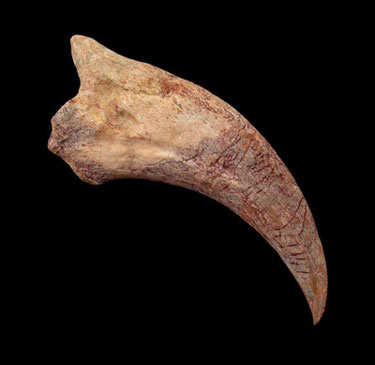
Among the many treasures unearthed from the prehistoric past, some fossils command attention in a way that feels almost mystical. While dinosaur teeth and bones are well-known and widely studied, it is the fossilized claws of dinosaurs that ignite a special fascination. These relics are not only rare but also embody the very essence of a predator’s power or a herbivore’s defense.
To hold an authentic dinosaur claw fossil is to hold a fragment of evolutionary weaponry. This tool once helped a creature survive in the unforgiving landscapes of the Cretaceous and Jurassic worlds. Unlike common fossils, claws are seldom found intact. Their rarity, coupled with the dramatic role they played in the lives of dinosaurs, makes them highly valued among collectors.
Through carefully sourced and legally collected specimens from the United States and Morocco, enthusiasts have the extraordinary chance to add these authentic prehistoric artifacts to their collections.
The Role of Dinosaur Claws in Prehistoric Life
Dinosaur claws were not ornamental, they were essential tools of survival. For carnivorous dinosaurs, claws were instruments of precision, enabling them to slash, grip, and tear their prey. Raptors, such as the iconic Velociraptor, are remembered for their lethal, sickle-shaped claws, which enabled them to be agile and efficient predators.
For herbivorous dinosaurs, claws often played a defensive role. They were used to dig, strip vegetation, or even fend off attacks from predators. The functional diversity of claws means that each fossilized claw tells a story, about the species it belonged to, its behavior, and its ecological niche millions of years ago.
Why Dinosaur Claw Fossils Are So Rare
Fragility and Natural Erosion
Dinosaur claws were keratin-covered bones, which made them prone to erosion and breakage after death. Unlike sturdy femurs or skull fragments, claws were smaller, more delicate, and easily lost to the forces of time.
Burial Conditions
For a claw to fossilize, it had to be quickly buried in sediment, safe from scavengers and environmental wear. These conditions were uncommon, which means complete, well-preserved claws are exceptional finds.
Excavation Challenges
Even when fossilized, claws are difficult to spot and extract without damage. Their sharp edges and curves often blend into surrounding rock layers. Skilled paleontologists and fossil hunters must use meticulous techniques to recover claws intact, further contributing to their rarity.
Collectibility and Value
Symbol of Power
Collectors are drawn to dinosaur claws because they represent the primal strength of the creatures they belonged to. A fossilized claw from a raptor or theropod connects its owner to the drama of predator-prey interactions that shaped prehistoric ecosystems.
Aesthetic Appeal
Claws have a striking visual quality, sleek, curved, and instantly recognizable. Displayed in a collection, they stand out as focal pieces, sparking curiosity and conversation.
Investment Potential
Because claws are among the scarcest types of dinosaur fossils, their market value tends to appreciate over time. High-quality specimens, especially those from well-documented Cretaceous or Jurassic deposits, are sought after not only by private collectors but also by museums and institutions.
Authenticity and Legal Collection
With rarity comes responsibility. The fossil market, like any other collecting field, faces issues of forgeries and questionable sourcing. That’s why authenticity is critical.
The red dinosaur claw available from reputable sources are:
Authentic fossils – Verified and guaranteed as genuine, not reproductions.
Legally collected – Excavated from private lands in the northwestern United States and Morocco, where fossil collection follows legal guidelines.
Well-documented – Sourced transparently, ensuring collectors can trust in both the legality and integrity of their acquisitions.
This level of assurance sets top-tier claws apart from questionable artifacts on the market, offering peace of mind to serious collectors.
The Regions Producing Dinosaur Claw Fossils
Northwestern United States
The U.S. has long been a hotspot for dinosaur discoveries, with private land in states such as Montana and Wyoming yielding fossils from the Cretaceous period. Claws found here often come from raptors and other theropods, known for their predatory adaptations.
Morocco’s Fossil-Rich Beds
North Africa, particularly Morocco, is another renowned source. The Kem Kem beds, dating back to the Cretaceous period, have yielded an incredible array of fossils, including claws from formidable predators such as Spinosaurus. Morocco’s fossil fields offer unique preservation qualities and are prized for their distinct geological history.
Types of Dinosaur Claws in Collections
Theropod Claws
From species like Velociraptor and Allosaurus, these claws are often sharp, curved, and instantly dramatic. They symbolize the predatory dominance of these dinosaurs.
Herbivorous Dinosaur Claws
Though less aggressive in appearance, claws from sauropods or ornithopods reveal the adaptive strategies of plant-eaters. They show how claws evolved for digging, pulling down branches, or self-defense.
Rare and Unusual Specimens
Occasionally, exceptionally rare claws surface, unworn, with remarkable preservation that reveals growth rings or keratin sheath impressions. These exceptional fossils often become centerpiece acquisitions for advanced collections.
Why Collectors Seek Dinosaur Claws Above Other Fossils
While dinosaur teeth and bones are more common in the fossil market, dinosaur claw hold a special allure. They embody function, form, and rarity in a way that few other fossils do. Owning a claw feels more intimate, like holding the very tool a dinosaur relied on to live, hunt, or defend itself.
Collectors understand that each claw fossil represents not just a piece of an ancient skeleton, but a direct connection to survival strategies that played out 65–150 million years ago.
Building a Collection with Confidence
For those passionate about building a fossil collection, starting with claws offers a unique advantage. Each acquisition adds depth and prestige to a collection, signaling both discernment and appreciation for the rarest finds.
When choosing fossils, collectors should look for:
Quality of preservation – Intact claws with clear curvature and detail.
Scientific value – Specimens with identifiable species origin or unique characteristics.
Provenance – Documentation confirming legal collection and authenticity.
By focusing on these factors, collectors ensure their investments are both scientifically meaningful and financially sound.
Conclusion: Owning a Fragment of Prehistoric Legacy
Dinosaur claw fossils stand at the intersection of science, history, and artistry. They are among the rarest collectibles, not just because of their scarcity, but because of the incredible stories they tell. From the predator’s deadly strike to the herbivore’s quiet defense, claws embody the drama of prehistoric life in a way few fossils can.
For collectors, acquiring a legally sourced, authentic claw fossil is more than a purchase, it is a step into deep time, a chance to hold a piece of evolutionary legacy that has survived against all odds. Whether from the Cretaceous beds of the U.S. or the fossil fields of Morocco, each claw is a treasure waiting to inspire awe for generations to come.
Browse our collection of authentic dinosaur claw fossils and bring home a rare piece of Earth’s ancient legacy today.






