

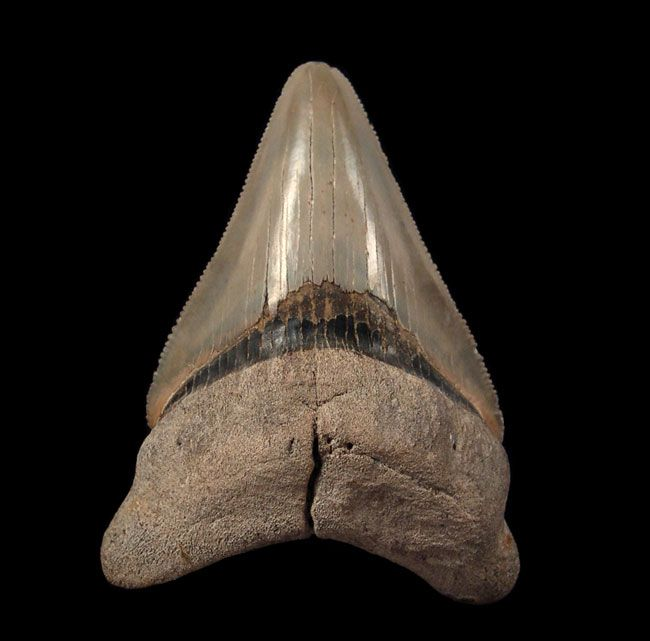
In the world of fossil collecting, few treasures can inspire as much fascination as a genuine megalodon tooth. As providers of authentic specimens, we take pride in offering fossils that connect collectors with a remarkable prehistoric past. These relics, once part of the jaws of Earth’s most formidable ancient shark, are more than fossils.
They allow us to preserve natural history and share it with those who seek meaningful and authentic connections to ancient oceans. With such interest also comes the responsibility to help collectors avoid the risks of replicas and forgeries, which makes our role vital in safeguarding authenticity.
The Risk of Replicas and Fakes
The popularity of Megalodon teeth has created a market that attracts both genuine enthusiasts and those who attempt to mislead. Replicas made from resin, artificially aged pieces, or overly polished teeth can often be passed off as real fossils. Without careful evaluation, buyers could easily be deceived.
This is why collectors should depend on trusted dealers who are able to recognize the difference between authentic fossils and imitations. Choosing reliable sources helps ensure that what is collected carries actual historical value.
Indicators of Authentic Megalodon Teeth
Identifying authentic Megalodon teeth requires attention to detail. Certain physical traits can provide substantial evidence of fossilization that took place over millions of years.
Surface Texture
A genuine tooth will usually display a natural patina that has developed over time. Small pits, scratches, and subtle irregularities can show how the fossil has aged naturally. Replicas, on the other hand, are often smooth and uniform, which should raise questions about their authenticity.
Weight and Density
Real fossils are created when minerals slowly replace organic material. Because of this process, genuine teeth are heavier and denser than they appear. If a tooth feels unusually light, it could be a reproduction.
Root and Blade Characteristics
Authentic specimens often show well-defined roots with features such as nutrient foramina or lobes. Blades can also carry serrations that resemble a saw edge. Even if some wear is present, the detail of these serrations can serve as strong evidence of authenticity. Replicas rarely capture these characteristics with accuracy.
Mineralization and Sediment Clues
Color variations, calcite deposits, or traces of the surrounding matrix often indicate that a tooth is genuine. These features can provide valuable insight into how and where the fossil was preserved, making it difficult for forgers to replicate.
Why Expert Assessment Matters
Even when collectors look closely at surface details, it can still be challenging to distinguish between authentic fossils and replicas. This is where the guidance of experienced dealers and paleontologists becomes essential. Their trained eyes are able to detect the subtle indicators that prove authenticity. By seeking validation from experts, collectors gain confidence that their specimens are genuine, not artificially produced.
Experts can also provide valuable context about the age, location, and condition of a specimen. This knowledge helps collectors better appreciate what they are acquiring and strengthens the connection between the fossil and its prehistoric origins. Without professional input, essential details might remain unnoticed, and the fossil’s story could be lost.
The Role of Trust in Fossil Collecting
Trust plays a central role in the fossil marketplace. Collectors are not simply purchasing objects but are investing in history. For this reason, they depend on dealers who demonstrate transparency and integrity in how fossils are sourced and verified. Trusted dealers carry the responsibility of ensuring authenticity, which preserves both the value of the specimen and the trust of those who purchase it.
Collectors Seek Confidence in Authenticity
The excitement of owning a real megalodon tooth is tied to knowing it is genuine. When doubt exists about authenticity, the value of the fossil is diminished. Collectors turn to trusted dealers because they provide assurance through knowledge and careful examination. This confidence allows collectors to enjoy the specimen as an actual piece of history, not a fabricated imitation.
Practical Steps for Collectors
When collectors search for authentic Megalodon teeth, there are practical steps that can help them confirm authenticity:
1. Inspect the surface texture to check for natural imperfections, rather than polished smoothness.
2. Assess weight and density to determine if mineralization has truly occurred.
3. Examine the root and blade for serrations and structural details.
4. Look for mineral deposits or sediment remnants that point toward fossilization.
5. Seek expert evaluation from trusted dealers or paleontologists who can confirm authenticity.
By combining observation with expert verification, collectors can feel more secure in their acquisitions. Taking these steps helps protect both the value of a collection and the story behind each fossil.
Preserving a Connection to Natural History
Every authentic Megalodon tooth tells a story. It reveals the presence of one of the largest predators in Earth’s history, the geological processes that preserved it, and the enduring human desire to connect with the distant past. Collectors who obtain authentic specimens are not only purchasing fossils but are also keeping a narrative that extends across millions of years.
This preservation goes beyond ownership. When collectors value authenticity, they help protect the broader fossil record from being overshadowed by forgeries. Each authentic fossil serves as evidence of natural history that can inform scientific understanding, inspire curiosity, and remind people of Earth’s ancient diversity. By valuing authenticity, collectors contribute to keeping that record alive for future generations.
Why Trusted Dealers Remain Essential
Trusted dealers are essential because they provide clarity in a market filled with uncertainty. Their expertise allows them to distinguish authentic fossils from replicas, and their dedication to honesty ensures that collectors receive genuine pieces. Without this safeguard, the marketplace would be overwhelmed with questionable specimens, undermining both scientific and personal appreciation for these fossils.
Trusted dealers also strengthen the collecting community by maintaining ethical standards. Their role helps foster respect for natural history and ensures that fossils are treated as valuable artifacts rather than as simple commodities. In addition, their commitment often includes educating collectors about proper care, preservation, and display, helping each specimen maintain its value over time. This educational role demonstrates how trusted dealers serve not only as suppliers but also as stewards of the fossil record.
Conclusion
The allure of Megalodon teeth lies in their ability to connect us with ancient oceans and powerful creatures of the past. Replicas and fakes, however, threaten to dilute that connection. Authentic specimens can be identified through characteristics such as surface texture, weight, serrations, and mineralization, but the confirmation of experts remains crucial.
Collectors seek trusted dealers because they provide the knowledge, transparency, and assurance necessary to preserve authenticity. In the search for a real megalodon tooth, trust is as valuable as the fossils themselves.






