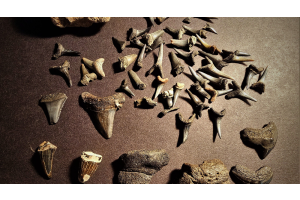
There are fossils, and then there are legends preserved in stone. Few relics inspire the same awe as the fossilized teeth of the Megalodon, the prehistoric apex predator that once ruled Earth’s oceans. At first glance, it’s easy to be captivated by their sheer size. Some teeth can measure more than seven inches long, dwarfing the teeth of even the largest modern great whites. But for serious collectors, size is only the beginning. The real reason these fossils can command prices in the thousands, lies in their condition, rarity, and beauty.
From perfect serrations that hint at a 50-foot hunter’s power, to roots preserved so pristinely they look sculpted, a flawless Megalodon tooth value isn’t just a fossil, it’s a once-in-a-lifetime discovery.
Condition: The Deciding Factor
Condition is the single most important factor when determining a Megalodon tooth’s value. Just as a gemstone’s brilliance depends on its cut and clarity, the appeal of a Megalodon tooth rests on its preservation.
Pristine enamel: Collectors seek enamel that retains its natural luster. Smooth, lustrous enamel makes a tooth stand out immediately.
Sharp serrations: Serrations are the tiny saw-like edges that once allowed the Megalodon to slice through prey. Teeth with intact, razor-sharp serrations are exceptionally rare.
Complete roots: The root anchors the tooth’s grandeur. A complete, undamaged root elevates a specimen’s appeal dramatically.
Teeth that show excessive wear, dings, or heavy erosion often fall into lower price brackets, even if they are large. By contrast, an undamaged, museum-quality specimen can soar in value, sometimes well over $4,500, as seen with examples from the famed Meherrin River Copper Red Site.
Rarity and Regional Significance
Not all Megalodon tooth values are created equal. Where they are found often significantly contributes to their value. Certain regions produce teeth with distinctive characteristics, making them highly desirable to collectors.
North Carolina Copper-Red Teeth: Fossils from the Meherrin River can display a striking copper-red coloration. These are among the most sought-after specimens in the world, as the unique hue sets them apart from more common grey or black examples.
West Java, Indonesia: Teeth from this region sometimes carry remarkable tan-orange tones, a color variation that collectors crave. Combined with size and preservation, these hues can turn a tooth into a centerpiece of any collection.
Geographic provenance, combined with flawless preservation, turns a fossil into a rare prize. It’s not just about owning a Megalodon tooth, it’s about owning one with a unique story embedded in its mineralized surface.
The Allure of Coloration
Color plays a significant role in determining fossil value that many new collectors may not realize. While natural processes determine a tooth’s final shades, unique hues can make one fossil far more desirable than another of similar size and condition.
Copper-red tones evoke warmth and rarity.
Orange and tan shades from Indonesian finds feel almost surreal compared to the deep blacks and greys typically seen.
Jet-black and smoky-grey specimens remain timeless classics, appealing to collectors who value stark, dramatic presentations.
Collectors often view coloration as a way to personalize their collections. A flawless tooth with a rare color not only stands out but can also be viewed as an investment-grade asset, as its rarity makes it less likely to lose value over time.
Size: The Power of Giants
It is impossible to overlook the role of size. Megalodon tooth value are already immense compared to those of modern sharks, but the largest specimens, those exceeding six or seven inches, are incredibly rare. These teeth often belonged to sharks estimated to be over 50 feet long, animals that dwarfed nearly every predator in Earth’s history.
The appeal of holding such a fossil is undeniable. It connects collectors directly to a predator so vast that even whales were on its menu. But again, size alone does not guarantee top value. A massive tooth with broken enamel or a missing root will fetch significantly less than a smaller, pristine tooth. Still, when size and flawless preservation intersect, the result is a true trophy fossil.
Why Collectors Pay Thousands
So why do collectors willingly spend thousands of dollars on a single Megalodon tooth? The reasons are layered:
Historical significance: Owning a Megalodon tooth means holding a tangible link to a predator that dominated oceans millions of years ago.
Aesthetic appeal: Serrations, enamel, color, and completeness combine to create fossils that are as much natural art as scientific specimens.
Investment value: Just like rare coins or gemstones, top-quality Megalodon teeth appreciate in value. Scarcity ensures that flawless specimens will only become more prized.
Personal prestige: Collectors often display their best fossils proudly. Owning an ultra-rare tooth is a mark of distinction in fossil-collecting circles.
For example, a flawless Meherrin River copper-red specimen is not just a tooth; it is a crown jewel. Its rarity, condition, and beauty place it in a league where collectors instantly recognize its worth, justifying price tags that can rival those of luxury watches or fine art.
The Experience of Ownership
Beyond investment and rarity, owning a flawless Megalodon tooth is about experience. There is a visceral thrill in holding a fossil that once sat in the jaw of a predator so powerful it ruled the oceans without rival.
Collectors describe the sensation as humbling, an encounter with deep time that few objects can provide. When displayed, these fossils spark conversation and admiration, blending natural history with timeless beauty. For many, this emotional resonance is worth every dollar spent.
Conclusion: More Than a Fossil
The Megalodon tooth value extends far beyond its size. It’s a careful balance of condition, coloration, provenance, and rarity. Flawless specimens with complete roots, sharp serrations, and unique hues are incredibly scarce, and that scarcity drives their value to thousands of dollars.
In the world of fossil collecting, the finest Megalodon teeth occupy a realm similar to rare diamonds or master paintings. They are nature’s masterpieces, formed by time, pressure, and chance, reminding us of a predator that once dominated the seas. For collectors, investing in such a piece isn’t just about owning a fossil; it’s about preserving a legend, a treasure that will only grow in significance as time marches on.
If you’ve been captivated by the incredible story and value behind these ancient treasures, now is the perfect time to begin or expand your collection. We offer carefully curated, authentic Megalodon teeth, from rare copper-red specimens to oversized, museum-grade fossils. Each piece is carefully verified for authenticity and selected for collectors who demand the finest quality.