

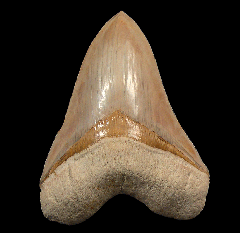
Standing on a beach and holding a fossil that belonged to one of the most powerful animals ever to swim our oceans is an electrifying experience. And when we talk about prehistoric sharks—especially the giant Megalodon—curiosity always leads to an important concept for young science enthusiasts: understanding how biology helps explain the megalodon tooth price, why huge teeth are extremely rare, and why we at Buried Treasure Fossils are so passionate about sharing these remarkable specimens with learners everywhere.
How Megalodon Teeth Tell the Story of a Giant Predator
Before we dive into how size impacts cost, it helps to understand the animal behind the fossil. Megalodon wasn’t just a “big shark”—it was a marine super-predator that dominated the Miocene and Pliocene oceans. Scientists estimate it reached up to 60 feet long, weighed as much as 70 tons, and delivered a bite force greater than any creature known.
That incredible power shaped the structure of its teeth. Megalodon teeth are heart-shaped, thick, and serrated—perfect for slicing whales, seals, and large marine mammals. These features also help paleontologists learn about its feeding habits and growth patterns. The bigger the tooth, the older and more powerful the shark was at that stage of life.
At Buried Treasure Fossils, we use this scientific context to educate young collectors. When a teen or educator browses our Megalodon collection, they aren’t just looking at stones—they’re exploring clues that reveal how an apex predator survived, hunted, and evolved.
Why Bigger Megalodons Produced Bigger (and Rarer) Teeth
One of the coolest things about sharks—including Megalodon—is that they constantly shed teeth. A single adult might lose tens of thousands during its life. That’s why fossils exist at all. But here’s the important part: the largest teeth came only from the largest individuals, and these colossal sharks were much less common.
Marine biology helps explain this:
1. Energy Demands of a Giant Creature
Massive predators require massive amounts of food. Only a limited number of oceans in Earth’s past could support enough prey to grow Megalodons capable of producing teeth over 6 inches. That means fewer giant adults—and far fewer giant teeth—compared to the millions of standard-sized ones.
2. Growth Rates Shaped by Habitat
Megalodons were born already huge, about 20 feet long, but the ones that reached the extreme upper size range grew slowly. This means the biggest teeth represent long, successful lives—something not all individuals achieved, especially in competitive ecosystems.
3. Feeding Behavior Linked to Tooth Size
Bigger teeth mean a wider bite, deeper cuts, and more efficient hunting of enormous prey. But this advantage developed only after the shark matured. Young and mid-sized Megalodons left behind many teeth, but very large adults produced far fewer, and thus their fossils are harder to find.
These biological facts directly shape the fossil market today and explain the unique rarity of oversized specimens.
Why Size Has a Direct Impact on the Modern Market
Collectors today—especially students and young fossil fans—often wonder why two Megalodon teeth found in similar places can vary widely in cost. Marine biology gives us the reason.
The megalodon tooth price increases as size increases because:
1. Large Megalodon Teeth Are Incredibly Scarce
Most teeth found measure between 3 and 5 inches. Crossing the 6-inch threshold is like hitting the fossil jackpot. Finding a 6.5-inch or larger specimen is so rare that only a tiny fraction of collectors will ever hold one.
This extreme rarity pushes prices higher, especially for well-preserved, symmetrical, or sharply serrated teeth.
2. Preservation Quality Declines With Size
The bigger the tooth, the harder it is for nature to preserve it perfectly. Larger teeth break more easily before fossilization. So finding a large tooth in excellent condition—no cracks, no damage, full root, clean enamel—is exceptionally uncommon.
At Buried Treasure Fossils, we grade teeth meticulously to help students, teachers, and collectors understand what makes a specimen scientifically and visually valuable.
3. Color and Locality Influence Scientific and Collector Value
Sediments rich in minerals like iron, phosphate, or manganese change a fossil’s color over millions of years. Localities such as North Carolina, South Carolina, Peru, and Chile produce unique shades—jet black, smoky blue, golden brown—that increase desirability.
And since some localities are no longer accessible, teeth from those regions are even more valuable due to permanent scarcity.
4. Bigger Teeth Provide More Scientific Insight
Oversized fossils help researchers understand:
● Maximum growth limits
● Hunting strategies
● Evolutionary relationships
● Ecosystem demands
Because of this scientific importance, high-quality large teeth appeal to both researchers and private collectors.
We embrace this educational storytelling in every product listing, making our fossils not just collectibles but learning tools for rising STEM students.
How We Support Young Learners and Educators
At Buried Treasure Fossils, we believe fossils should inspire curiosity, not intimidation. That’s why we offer everything from entry-level Megalodon teeth under $50 to museum-grade specimens worth thousands. Educators appreciate our detailed descriptions, while teens exploring paleontology love our wide selection and guaranteed authenticity.
We focus on:
● Clear explanations of species, age, and origin
● Legal and ethical collecting methods
● High-resolution photos
● Accurate grading
● Accessible pricing tiers
● Free shipping options
● A friendly, educational customer experience
Whether you're a budding paleontologist looking to start your first collection or a teacher building a hands-on classroom fossil library, we curate specimens that help transform scientific concepts into something you can hold in your hand.
The Biological “Size Equation” Behind Fossil Value
The easiest way for students to understand why bigger = rarer = more valuable is to think of Megalodon like modern sharks:
● Bigger sharks are fewer in number.
● Bigger animals need more food and space.
● Bigger predators live risky lives and often don’t reach maximum size.
So, when you see a giant fossil tooth today, it represents a Megalodon that beat the odds—surviving decades in a wild prehistoric ocean and leaving behind a durable tooth that fossilized instead of eroding away.
That journey adds to its scientific importance, storytelling power, and collector value.
Conclusion: Understanding Megalodon Through Its Fossils
The mystery of the Megalodon becomes clearer when you link biology, ecology, and fossil science. Tooth size reveals feeding behavior, growth patterns, and evolutionary adaptations—and these same factors help explain modern variations in megalodon tooth price. Larger teeth are rare because giant sharks were rare, their survival was difficult, and perfect fossilization is even rarer.
If you're excited to explore authentic Megalodon teeth, expand a school fossil collection, or help a young scientist start their first prehistoric display, we’re here to guide you every step of the way. Dive into the world of real fossils with us and discover how thrilling hands-on science can be.






