

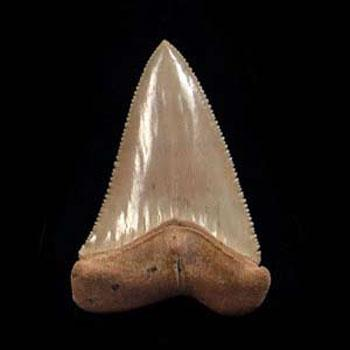
Few fossils spark curiosity and admiration quite like those of sharks. Their unmistakable shapes, razor-sharp edges, and deep historical significance make them among the most fascinating fossils to discover and collect. But what exactly makes shark teeth so prevalent in the fossil record? To answer this, we must explore a unique combination of shark biology, fossilization processes, and the role these teeth have played throughout human history.
From ancient tools to symbols of protection, real shark teeth for sale connect us to prehistoric oceans and human culture in a way few other fossils can.
The Natural Abundance of Shark Teeth in Fossils
The key to understanding the abundance of shark teeth in the fossil record begins with the sharks themselves. Unlike many animals, sharks have skeletons made entirely of cartilage, a flexible, lightweight material that does not fossilize easily. This means that aside from their teeth, sharks leave behind very few fossil traces.
However, shark teeth are composed of hard, mineralized substances, primarily dentin and enamel, which are highly resistant to decay and degradation. Sharks continuously lose teeth throughout their lifetime, often replacing them every few weeks. Depending on the species, a single shark can shed tens of thousands of teeth over its life. Each lost tooth falls to the ocean floor, where it can be buried in sediment and protected from scavengers and decay.
Over millions of years, geological processes mineralize these buried teeth, turning them into the fossils collectors find today. This continuous cycle of tooth loss, combined with the durability of the teeth themselves, creates a fossil record rich in shark teeth, far more abundant than most other fossilized remains. The vast oceans of the past, where sharks thrived, serve as natural archives preserving these tiny windows into ancient marine ecosystems.
Shark Teeth in Human History: From Survival Tools to Protective Amulets
The fascination with shark teeth is not a modern phenomenon. Ancient humans quickly recognized the utility of shark teeth as natural tools long before metal blades were invented. The sharp edges and serrated shapes of these teeth made them perfect for cutting, scraping, and piercing, vital functions in hunting, food preparation, and crafting.
In many indigenous cultures, shark teeth were fashioned into weapons such as knives and spear points, valued for their effectiveness and durability. This practical use likely contributed to the early collection and preservation of shark teeth across continents.
Beyond their functional value, shark teeth took on symbolic and mystical significance. In medieval Europe, shark teeth were believed to have the power to counteract poison, leading people to wear them as amulets for protection. This belief endowed the teeth with spiritual meaning, transforming them from mere natural objects into talismans imbued with protective qualities.
Today, shark teeth are still worn as good luck charms and symbols of strength. Whether incorporated into modern jewelry or collected as fossils, shark teeth represent a connection to nature’s power and ancient traditions of protection and respect for the natural world.
What Collectors Look For: Size, Color, and Rarity
For fossil enthusiasts, shark teeth offer a rewarding entry point due to their abundance and variety. Yet within this abundance, certain qualities elevate some teeth above others in desirability and value. Collectors typically assess three primary factors: size, color, and rarity.
● Size: Larger teeth generally come from larger sharks, making them more impressive and less common. Teeth from massive prehistoric species, such as the Megalodon, or large modern sharks, like the Great White, naturally command attention. Because larger teeth are scarcer, they often command higher prices and hold greater prestige in collections.
● Color: The coloration of shark teeth depends largely on their age and the minerals present during fossilization. Fresh, modern shark teeth are usually bright white or off-white, reflecting their relatively recent origin. Fossilized teeth, however, may appear in a wide palette of colors, black, brown, blue, or reddish hues, depending on mineral absorption from the surrounding sediments. These colors not only add aesthetic appeal but can also provide clues about the environment and conditions in which the tooth was preserved.
● Rarity: Some shark species produce teeth that are common and widely available, while others are rare or extinct, making their teeth more sought after. For example, small Great White teeth are generally easier to acquire and ideal for beginners. In contrast, teeth from rare or prehistoric sharks, or exceptionally large specimens, hold greater collectible value.
Understanding these factors helps collectors make informed decisions, ensuring they acquire teeth that enhance the significance and beauty of their collection.
Building a Shark Tooth Collection: From Beginner to Enthusiast
Starting a shark tooth collection is an exciting journey that balances curiosity, education, and appreciation for natural history. For beginners, the Great White Shark tooth serves as a perfect introduction. These teeth are iconic, recognizable, and accessible in a range of sizes and prices. Smaller Great White teeth offer affordability while still connecting collectors with one of the ocean’s most famous predators.
As collectors gain experience and confidence, expanding the collection to include larger or rarer teeth adds depth and excitement to the collection. A well-rounded collection might feature a variety of species, both modern and prehistoric, showcasing the diversity of shark evolution.
When selecting real shark teeth for sale, it’s important to carefully examine photos and descriptions. Look closely for details such as tooth shape, serration quality, root integrity, and any signs of damage or restoration. Comparing multiple specimens before purchase can help you find the best fit for your collection’s goals and your budget.
Shark Teeth as Time Capsules of Evolution and Environment
Beyond their cultural and collectible appeal, shark teeth hold immense scientific value. Sharks have been apex predators for over 400 million years, navigating mass extinctions and vast environmental changes. Their teeth provide a direct record of this remarkable evolutionary history.
Paleontologists study shark teeth to learn about the diet, behavior, and environmental conditions of ancient oceans. Changes in tooth size, shape, and structure reveal how different species adapted to shifting ecosystems, climate fluctuations, and prey availability.
In this way, shark teeth are not just fossils, they are biological archives. Each tooth offers clues about a shark’s life and the oceanic world it inhabited. Collectors who appreciate this scientific dimension enrich their collections with a deeper understanding of the past.
The Enduring Appeal of Shark Teeth
What continues to make shark teeth so captivating? Their timeless combination of natural beauty, ancient origins, and rich symbolism. These real shark teeth for sale evoke images of powerful predators and primeval seas, while their varied colors and sizes tell unique geological stories.
For centuries, shark teeth have transcended their biological function to become tools, charms, collectibles, and windows into the Earth’s distant past. Their abundance in the fossil record ensures that they will remain a favorite among fossil hunters, scientists, and enthusiasts.
Shark teeth are not just remnants of creatures long gone, they are enduring symbols of resilience, strength, and the relentless march of time. Adding shark teeth to your collection is like holding a piece of prehistoric ocean history in your hand.
If you’re ready to begin or expand your fossil collection, our shark teeth fossils offer an accessible and rewarding start. Focus on size, color, and rarity to find specimens that speak to you. With our patience and passion, you can assemble a collection that tells the story of ancient oceans and the sharks that ruled them.






